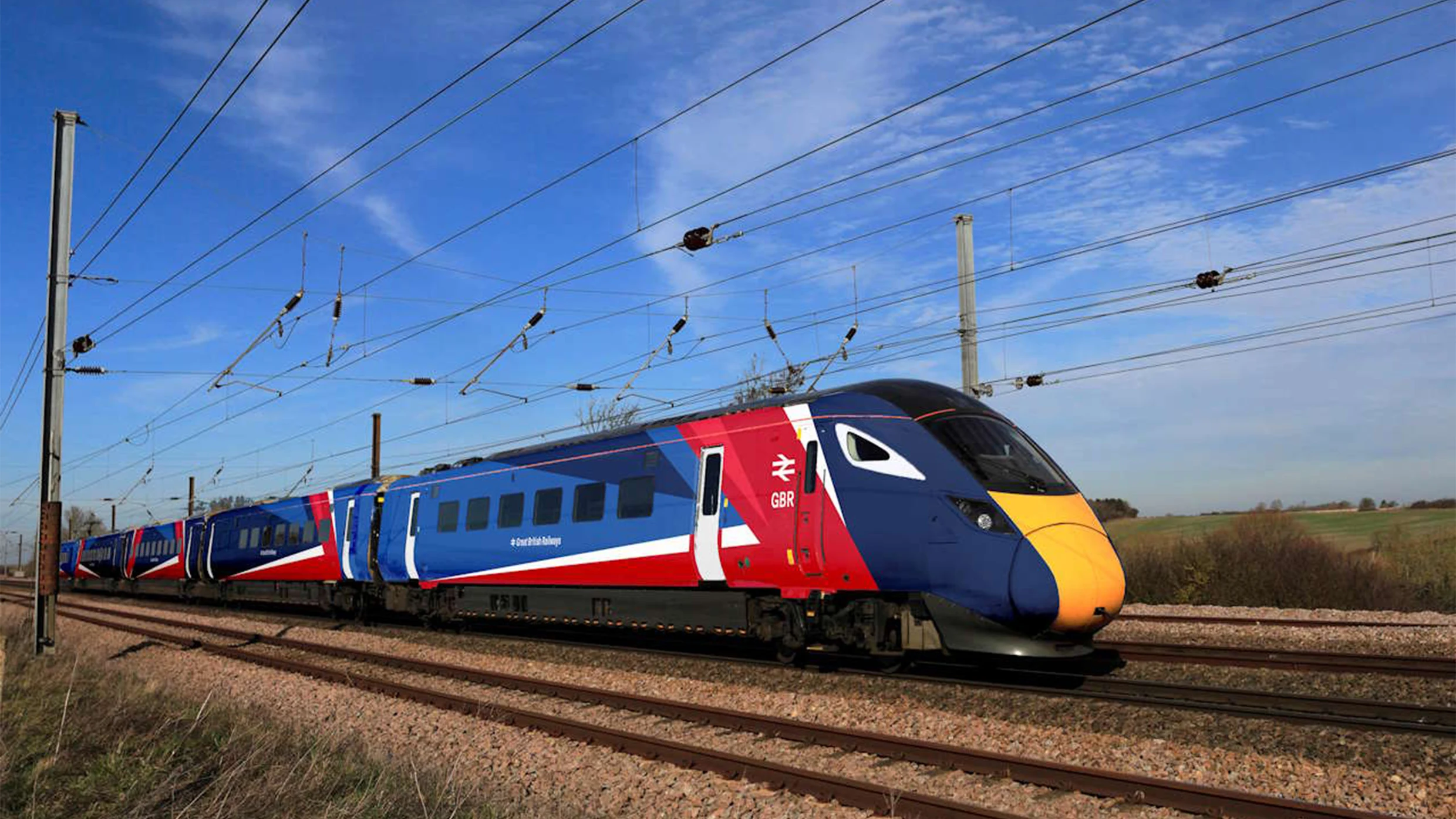
"The U.K.'s new public railway is leaning on well-known, classic symbolism for its visual identity unveiled this month. Train liveries for the new brand will show a design of a stylized Union Jack flag, while the new logo brings back an old double arrow concept designed in 1965 by Gerald Barney for the old state-run British Rail."
"The branding is an outward manifestation of a wider goal to deliver better public transportation. Already, they've frozen rail fare for the first time in 30 years. "This isn't just a paint job," U.K. Transport Secretary Heidi Alexander said in a statement. Instead, "it represents a new railway, casting off the frustrations of the past and focused entirely on delivering a proper public service for passengers.""
"Barney's original 1965 double arrow logo for British Rail used the lines and angles of the U.K. flag to cleverly communicate two-way transportation. The mark also has staying power. Even after British Rail began to be privatized in the 1990s, the double arrow mark remained in use as an official rail symbol in the U.K. at stations and on tickets. And just as with classic mid-century civic design in the U.S., there's similarly an audience for print standards manuals of the old British Rail brand."
Great British Railways uses familiar national symbols and midcentury design to create a unified visual identity. Train liveries will feature a stylized Union Jack, the revived 1965 double-arrow logo will serve as the primary mark, and the Rail Alphabet 2 sans-serif typeface updates the original 1960s lettering. The Department for Transport designed the brand in-house and plans rollout across trains, stations, signage, websites, and a ticketing app by spring 2026. The branding accompanies policy moves tied to renationalization, a goal of improving public transport, and a recent freeze on rail fares for the first time in 30 years.
Read at Fast Company
Unable to calculate read time
Collection
[
|
...
]