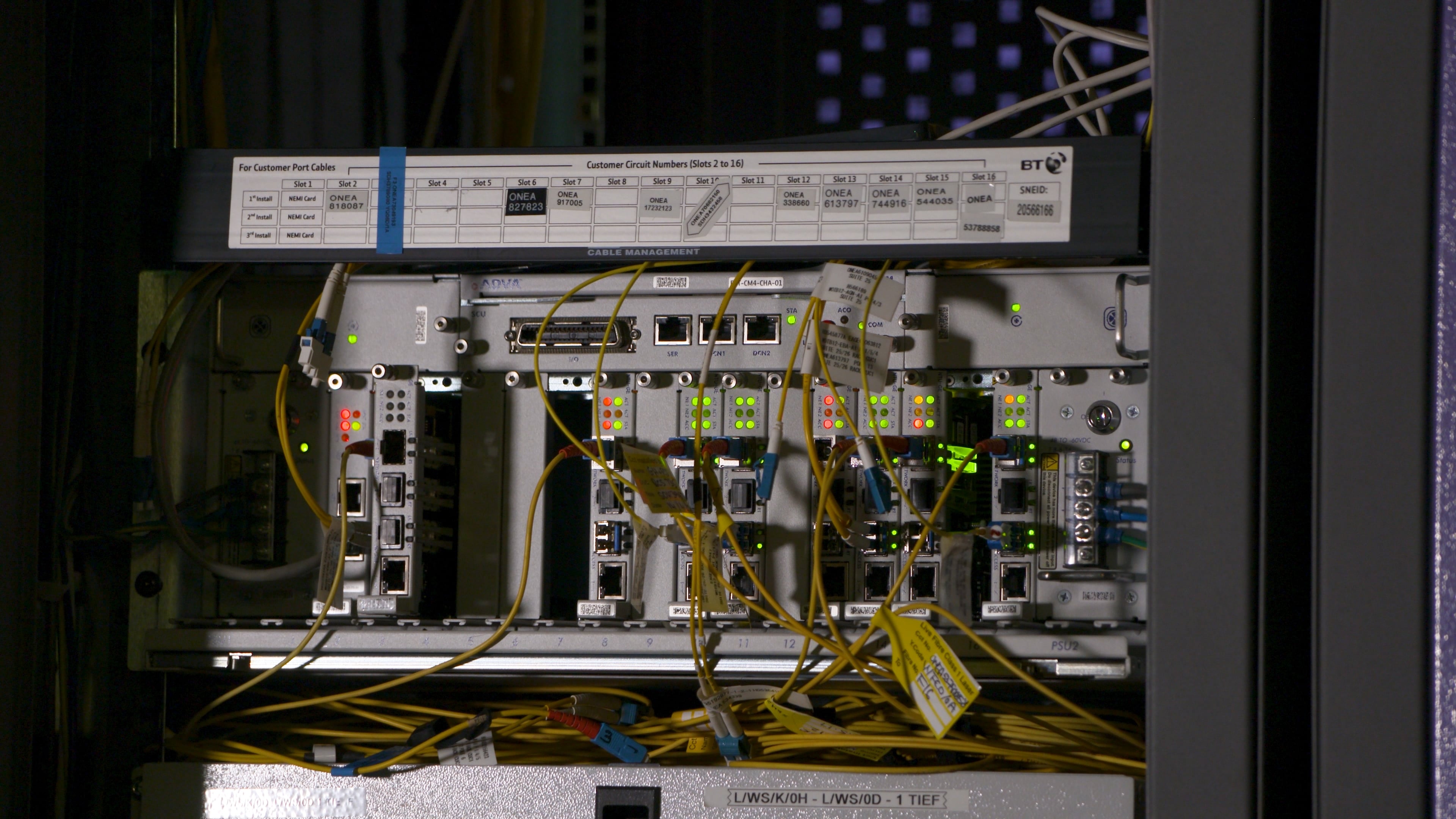
"According to Openreach, the pilot demonstrated that its fiber-optic cables can double as sensors to detect and pinpoint any leaks from water pipes in the surrounding subterranean environment. Dubbed Distributed Acoustic Sensing (DAS) by Lightsonic, the technique works by analyzing changes induced in the light beams carried by the fiber-optic cables, caused by vibrations from a nearby leak or other disturbance in the ground."
"In three months of operation, Openreach says the sensing technology located more than 100 leaks, saving an estimated 2 million liters of water a day - or enough H2O to supply 10,000 people for a year."
"One touted advantage is continuous monitoring. Traditional leak detection relies on targeted surveys and field teams manually traversing the network, meaning fiber sensing could catch leaks far sooner."
Openreach conducted a trial with Affinity Water and Lightsonic demonstrating that fiber-optic cables can function as sensors to detect and locate water pipe leaks. The technology, called Distributed Acoustic Sensing (DAS), analyzes changes in light beams caused by vibrations from leaks or ground disturbances. Machine learning algorithms distinguish genuine leaks from background noise like traffic. Testing across five locations near London monitored 650 kilometers of pipes over three months, identifying more than 100 leaks and conserving approximately 2 million liters of water daily—enough to supply 10,000 people annually. This continuous monitoring approach offers advantages over traditional manual leak detection methods by identifying problems faster.
#fiber-optic-technology #water-leak-detection #distributed-acoustic-sensing #infrastructure-monitoring #water-conservation
Read at Theregister
Unable to calculate read time
Collection
[
|
...
]