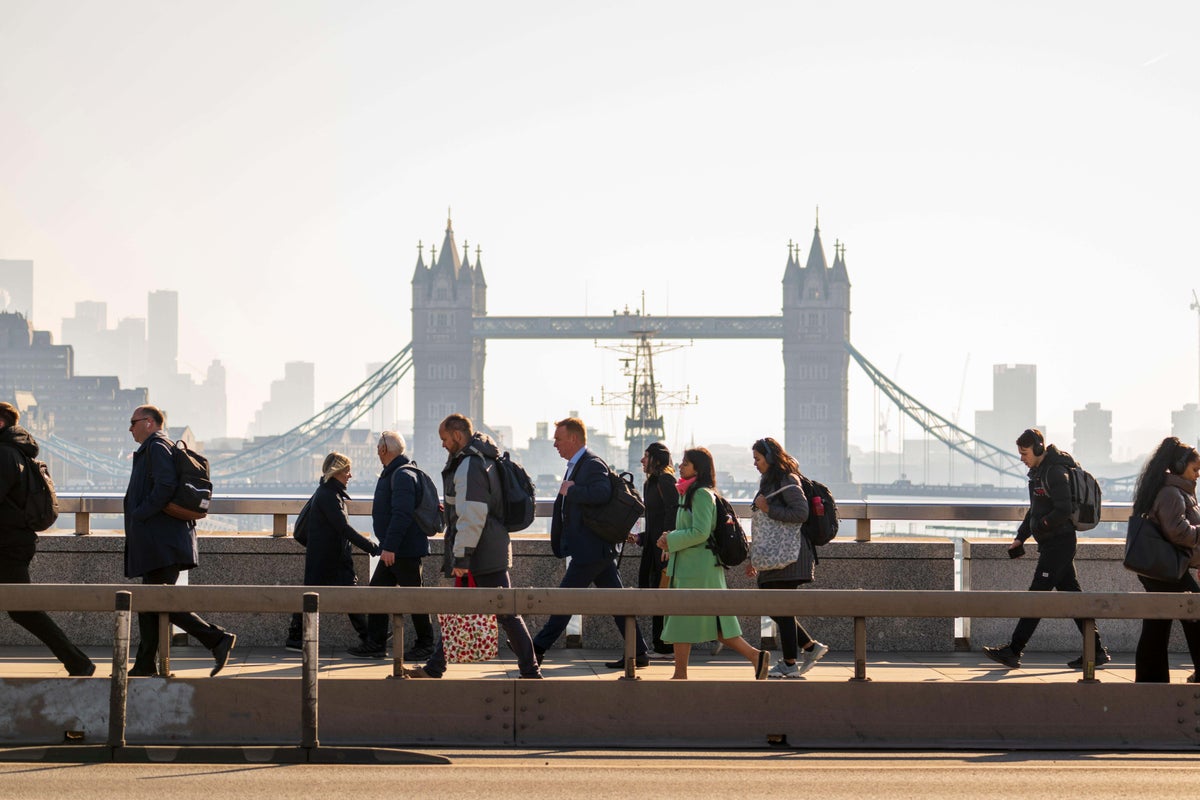
"Unemployment in the UK is stuck at 5.2 per cent, while wage growth has fallen to the lowest level in more than five years as the jobs market remains stuck at the start of 2026. The figures from the Office for National Statistics (ONS) show earnings growth is at 3.8 per cent for the three months through to January - the lowest since November 2020."
"While rising earnings are naturally needed for households' progression, if they rise too fast too soon they can add inflationary pressures to the wider economic situation, meaning it has been a carefully watched metric for the Bank of England (BoE) of late."
"Wage growth falling back, combined with still-high unemployment and a stagnant economy, would likely have seen the BoE's Monetary Policy Committee (MPC) vote for an interest rate cut on Thursday - but the situation in Iran is set to scupper that as rising oil and gas prices, feeding through to higher energy bills, will add a new inflation worry for the UK."
The UK job market faces stagnation with unemployment stuck at 5.2% and wage growth declining to 3.8% for the three months through January—the lowest since November 2020. While wage growth typically supports household progression, rapid increases create inflationary pressures that central banks monitor closely. The Bank of England's Monetary Policy Committee would normally consider interest rate cuts given weak wage growth and economic stagnation. However, geopolitical tensions in Iran are driving rising oil and gas prices, which increase energy bills and create new inflation concerns. Consequently, the Bank of England must maintain higher interest rates to combat inflationary pressures and may need to raise them further if the situation deteriorates.
Read at www.independent.co.uk
Unable to calculate read time
Collection
[
|
...
]