"While the terms, the structures and the funding for the BBC will continue to be negotiated every several years, we should seek to end the bizarre situation where if the charter isn't agreed in time, the BBC ceases to exist. The truth is we would not accept this for the NHS and we should not accept it for the BBC."
"BBC executives had argued that the current system in which the broadcaster's charter had to be renewed every 10 years created a rolling existential threat. That threat has become more acute with the rise of Reform UK, an arch critic of the BBC that has vowed to end the licence fee."
"We will act to future-proof this vital institution in these stormy times when public debate feels more toxic and polarised than ever and too often the BBC becomes a lightning rod for the ongoing, exhausting culture wars."
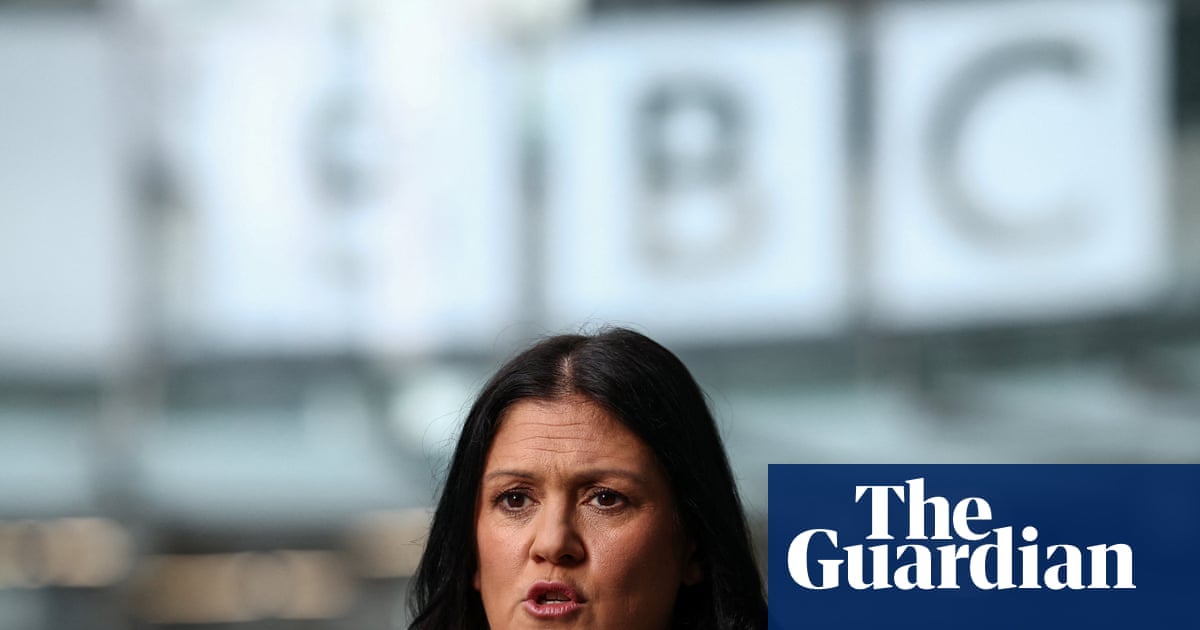
The government has committed to placing the BBC's charter on a permanent basis for the first time, addressing concerns raised by BBC executives about the vulnerability created by the current 10-year renewal cycle. Culture Secretary Lisa Nandy announced this decision at the Society of Editors conference, framing it as essential protection against political attacks and culture war interference. While the charter will become permanent, terms, structures, and funding will continue to be negotiated periodically. Nandy compared the BBC's importance to the NHS, arguing that neither institution should face existential threats due to charter expiration. This decision represents a significant victory for outgoing BBC Director General Tim Davie and addresses growing concerns about political opposition, particularly from Reform UK, which has pledged to eliminate the licence fee.
#bbc-charter-reform #government-policy #media-governance #political-independence #licence-fee-protection
Read at www.theguardian.com
Unable to calculate read time
Collection
[
|
...
]