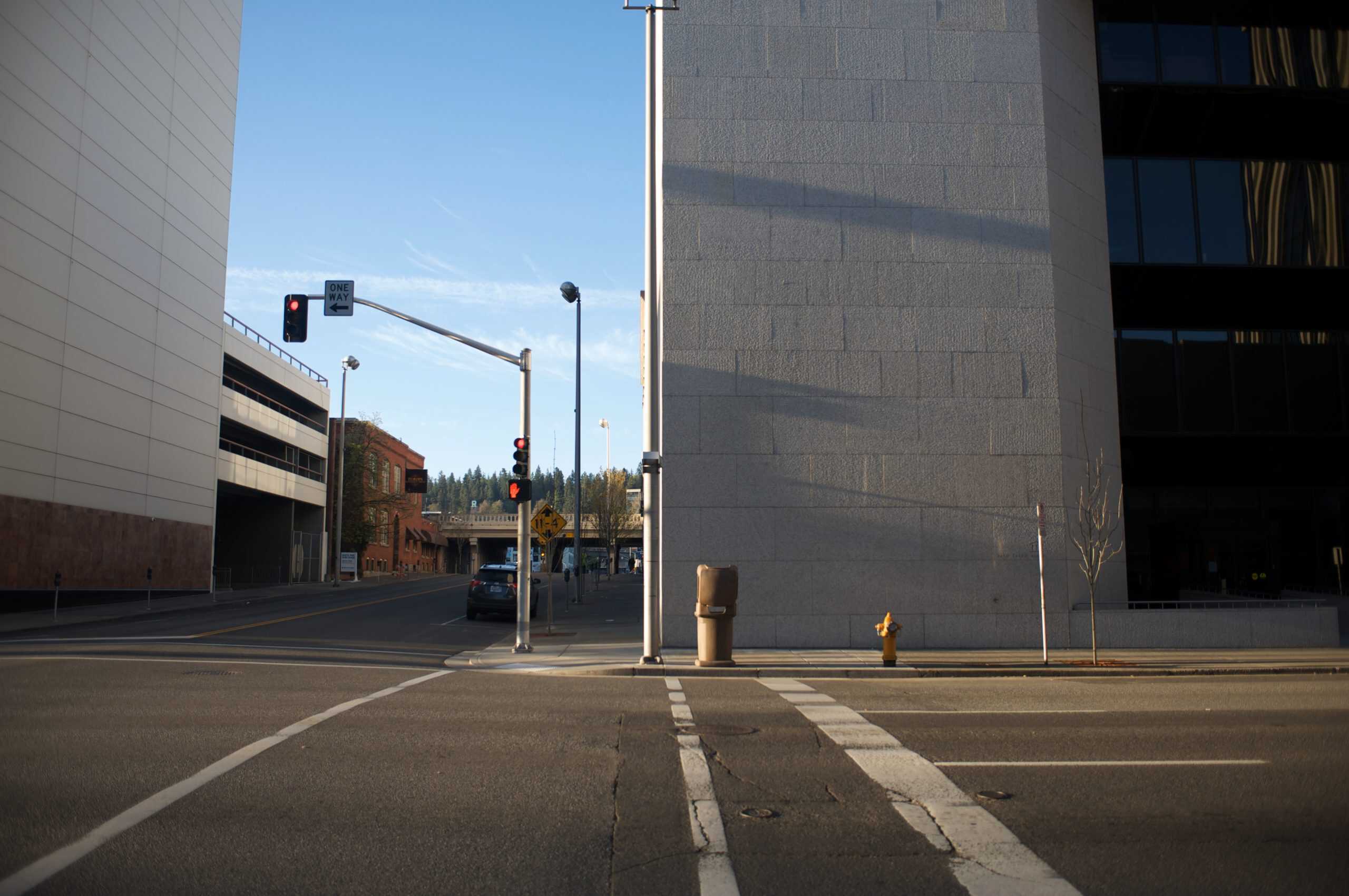
"Across the United States, population growth is often used as a measure of economic health and opportunity. But while some cities continue to expand, others are quietly losing residents year after year. These population declines can be a sign of complex challenges, from job losses and high living costs to aging residents and changing migration patterns. Understanding which cities are shrinking the fastest helps reveal where these problems are most concentrated."
"Population decline matters because it affects nearly every aspect of a city, from its economy to its quality of life. As residents leave, tax revenues shrink, making it harder to fund schools, infrastructure, and public services, while businesses often struggle to survive with fewer customers and employees. Housing markets fall, vacant properties increase, and aging populations place added strain on local resources. Understanding which cities are shrinking and why helps policymakers focus on solutions and plan for more sustainable futures."
Across the United States, many metropolitan areas are losing residents due to job losses, high housing and living costs, aging populations, and altered migration patterns. Population decline reduces tax revenue and complicates funding for schools, infrastructure, and public services. Businesses face fewer customers and workforce shortages, housing markets weaken, and vacant properties increase. Some shrinking cities include former industrial hubs and previously booming regions now facing new economic realities. Identifying the fastest-shrinking cities helps pinpoint concentrated problems and guide policymakers toward targeted solutions and planning for more sustainable local economies and communities.
Read at 24/7 Wall St.
Unable to calculate read time
Collection
[
|
...
]