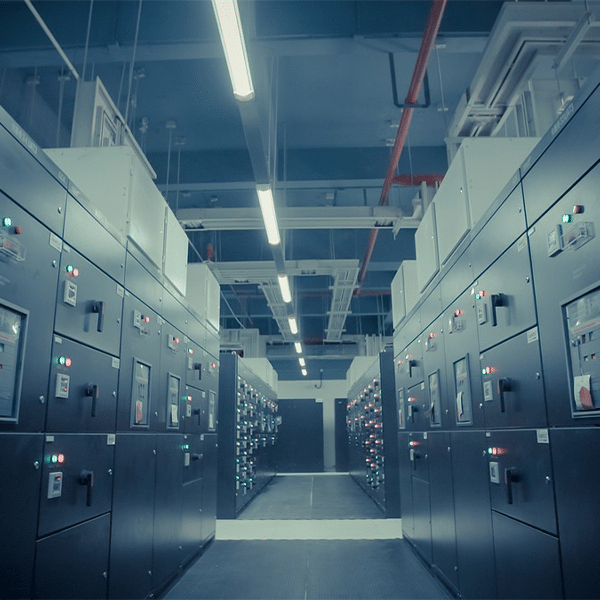
"Hyperscale data centers are capital-intensive industrial facilities with large footprints, heavy power requirements, land and water needs, and direct impacts on broadband networks, local grids, communities, and ratepayers," says Strand in a recent Research Note. In some areas, consumers are already feeling the expense that data center demand for electricity creates."
"A similar fund with a broad pool of contributors might be an answer to the "mismatch" forming between electricity providers and hyperscalers, according to the analysis. Hyperscalers tend to negotiate wholesale rates for traffic on digital platforms, which explains why most regulators and communities are focused on the strain on electric infrastructure, Strand says. The Trump administration says it is working with Microsoft to develop a "pay their own way" regulation for hyperscalers to defray electricity costs."
Hyperscalers building data centers to support artificial intelligence require large, industrial facilities with heavy power, land, water, and broadband demands. Those facilities create direct impacts on local grids, broadband networks, communities, and ratepayers, and are already increasing electricity costs for some consumers. Universal Service Fund contributions are currently assessed mainly on legacy services while major traffic and value creators contribute little or nothing. Legislative proposals and industry discussion focus on requiring exempt service providers and hyperscalers to contribute to funding mechanisms similar to the USF. A broadly funded approach could address the mismatch between electricity providers and hyperscalers while regulators concentrate on grid strain resulting from wholesale negotiation practices.
Read at Telecompetitor
Unable to calculate read time
Collection
[
|
...
]