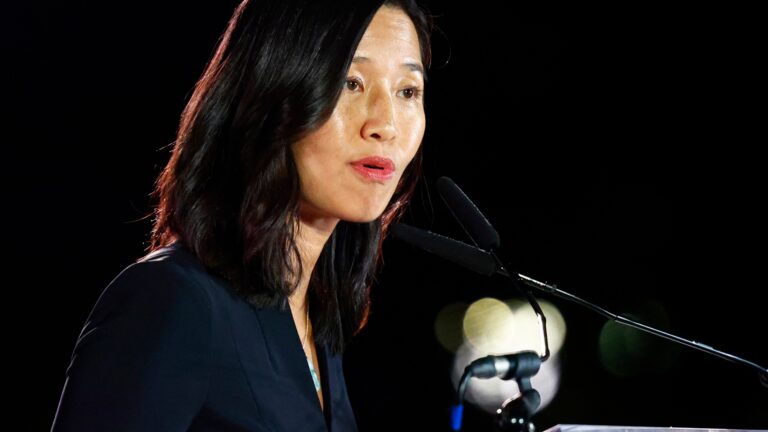
"The rejection of Wu's plan comes after years of her trying to force the issue on Beacon Hill. When the COVID-19 pandemic caused commercial property values to decline in Boston, residential property owners were forced to pay more in property taxes to make up for the lost revenue that was no longer coming from commercial properties. Wu has been adamant about defending homeowners, who are seeing a 13% residential property tax hike this month."
"In order to shift the city's property tax formula, Wu needs approval from the Legislature. But Boston already taxes commercial properties at 175% the residential rate, and her efforts were opposed by fiscal watchdogs and powerful real estate and business leaders. Two other versions of Wu's plan were approved by the City Council and the House of Representatives in 2024 but ultimately died in the Senate without a full vote."
"This is not just Boston, this is a frustration that I know and hear from communities everywhere,"
The Massachusetts Senate rejected a proposal to temporarily shift more of Boston's property tax burden onto commercial properties, voting 33-5 against an amendment. Boston already applies a 175% commercial tax rate relative to residential, but declining commercial values since the COVID-19 pandemic forced higher residential rates, producing a 13% residential tax hike this month. Mayor Michelle Wu sought legislative approval after multiple City Council and House approvals; two earlier versions passed locally and in the House in 2024 but died in the Senate. Fiscal watchdogs, real estate and business leaders opposed the plan, contributing to legislative resistance.
Read at Boston.com
Unable to calculate read time
Collection
[
|
...
]