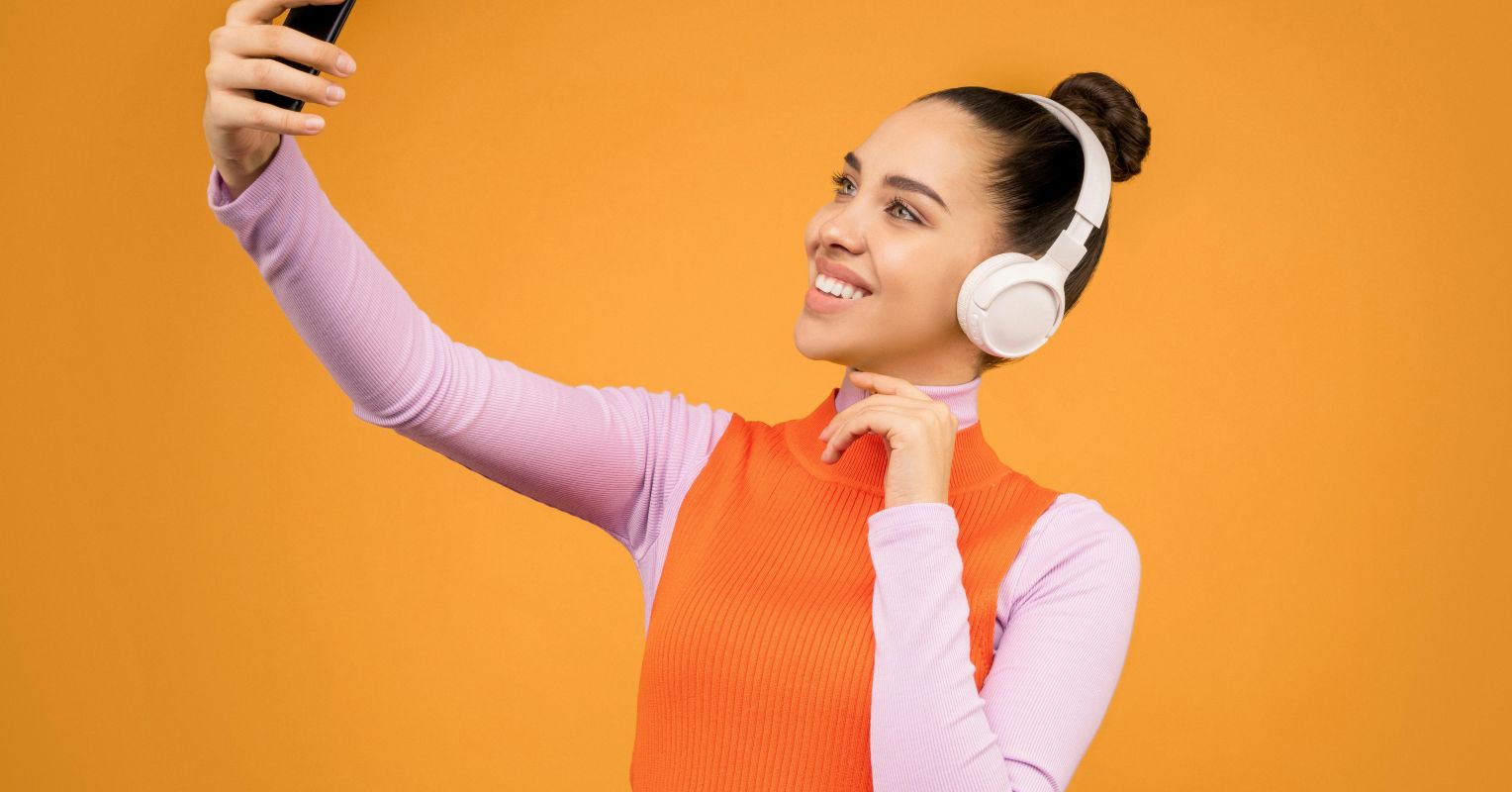
"Performative self-care isn't exclusively a social media problem, though that's where it shows up most visibly. It's any act of self-care where your attention is somewhere other than the moment you're in. It's the walk where you're mentally composing a caption before you've reached the end of the block. It's the meditation session you screenshot to show you showed up, while your mind was three tasks ahead the entire time."
"The neurological benefits of exercise, the emotional reset of a quiet morning, the genuine recentering that comes from a real break - all of these require presence. When we split our attention between the experience and the promotion of the experience, we shortchange ourselves of the very thing we showed up for. We get the optics of self-care without the substance of it."
Self-care has become increasingly aestheticized and monetized through social media, transforming wellness routines into performative acts rather than genuine restoration practices. Performative self-care occurs whenever attention diverts from the present moment to document or promote the activity, whether through caption composition during workouts, screenshot meditation sessions, or mentally absent yoga classes. This divided attention prevents access to the neurological, emotional, and psychological benefits that self-care practices provide. The core issue is that genuine restoration requires full presence and engagement. When people prioritize the appearance of self-care over its actual practice, they sacrifice the substance of restoration while maintaining only its optics, particularly affecting high achievers who may use performative self-care as another achievement to optimize.
#performative-self-care #social-media-wellness #mindfulness-and-presence #mental-health-authenticity #achievement-culture
Read at Psychology Today
Unable to calculate read time
Collection
[
|
...
]