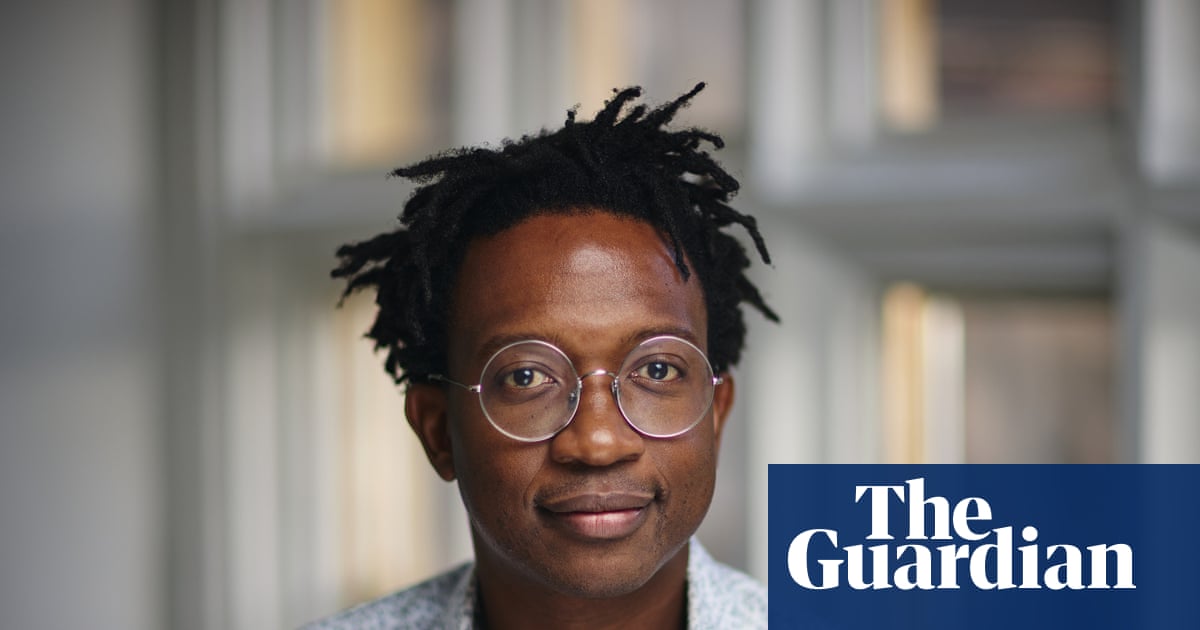
"Your name, Simukai, it means to stand up, his father, a former liberation fighter, tells him. Yet, as Chigudu reflects in his compelling memoir, the end of colonial rule does not mean freedom from historical events and how they reverberate in everyday life. He tells two interlinked stories: Zimbabwe's brutal war of independence, and his own search for belonging in the years that followed."
"Chigudu's parents, who became part of the growing post-independence black middle class, enrol him in elite private schools. There, he acquires what he calls a delicate, papery accent, plays white people's sports and learns the codes of respectability that promise safety but not belonging. He comes to appreciate early on that to be black is to be defined by others."
"Black Zimbabweans dismiss him as a salad for his adopted white habits (such as eating salad). White Zimbabweans call him a soutpiel, or salt penis; for having one foot in Africa, one in Europe, his genitals [dangling] in the Mediterranean Sea. In Britain, a student labels him the whitest black man they know."
Simukai Chigudu's memoir explores the paradox of Zimbabwe's Born Free generation, examining how independence from colonial rule failed to deliver the promised freedom from historical legacies. Named to symbolize resistance, Chigudu navigates the complexities of post-colonial identity shaped by his parents' ascent into the black middle class and his enrollment in elite schools. His education in white-dominated institutions creates a fractured sense of belonging, as he is simultaneously rejected by Black Zimbabweans for adopting white habits and by white Zimbabweans for his African heritage. The narrative interweaves Zimbabwe's brutal independence war with Chigudu's personal journey across multiple continents, centering on the unresolved tensions between Zimbabwe and Britain. His family's experiences—his grandfather's murder and his father's torture under Rhodesian rule—underscore how historical violence continues reverberating through subsequent generations, shaping identity and belonging.
#post-colonial-identity #historical-trauma-and-inheritance #zimbabwe-independence #belonging-and-displacement #colonial-legacies
Read at www.theguardian.com
Unable to calculate read time
Collection
[
|
...
]