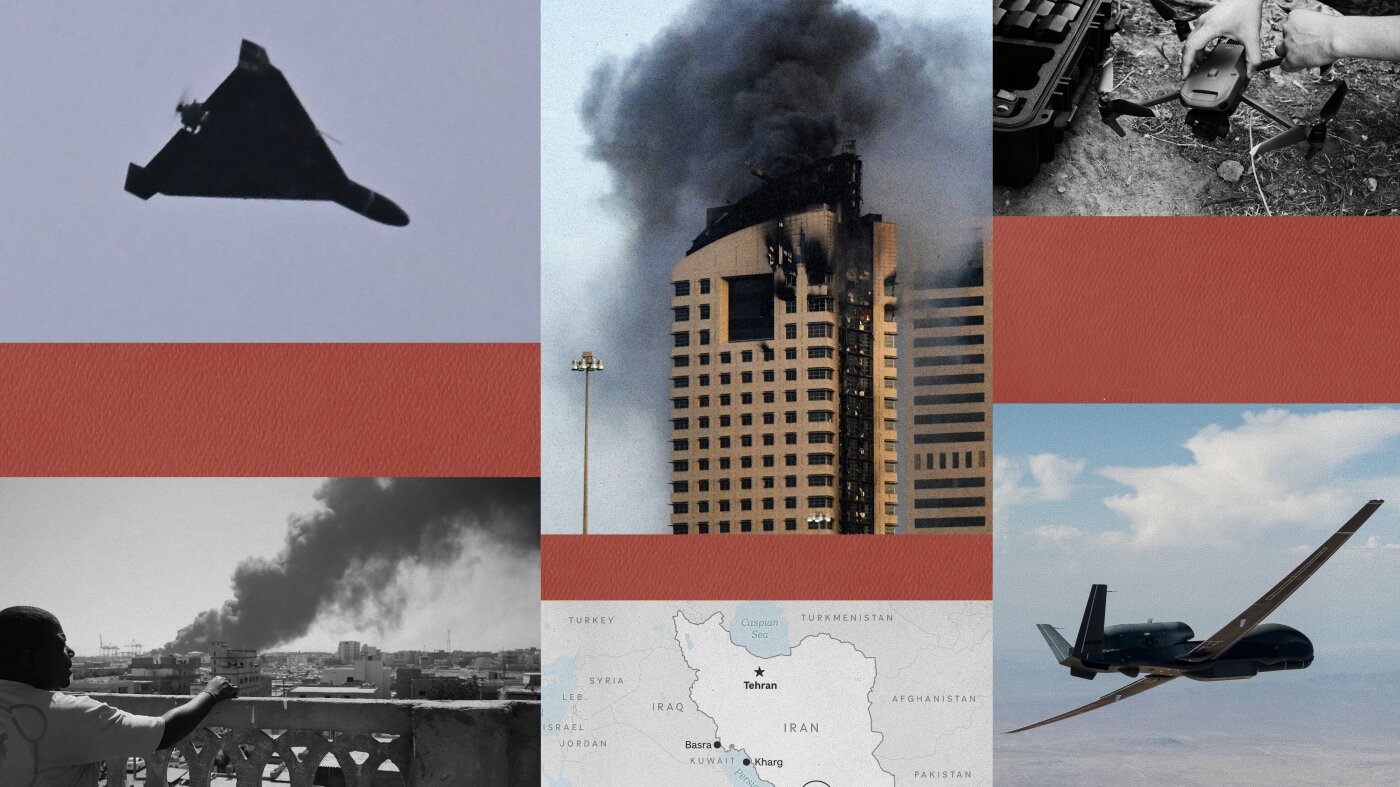
"Over the Gulf region right now, relatively cheap Iranian drones are being taken out by costly and difficult-to-manufacture U.S. interceptor missiles. A typical Shahed-136 costs Tehran roughly $20,000 to $50,000, while interceptors, such as the Patriot and Terminal High Altitude Area Defense (THAAD), cost millions. That disparity has allowed Iran to drive up the cost of the conflict for the U.S."
"Early in the war, U.S. officials who were not authorized to speak publicly told NPR that they are concerned about a lack of missile interceptors, and may have to draw from stockpiles outside the region."
"With Operation Epic Fury well into its third week, there are two increasingly urgent questions: how long U.S. defense systems can continue to hold off such attacks not just in Iraq, but throughout the Middle East and whether the U.S. underestimated the threat of Iran's drones in the first place."
Iranian drones have become a daily occurrence over Erbil and other areas in the Middle East, with U.S. defense systems intercepting most before they reach their targets. However, a significant cost disparity exists: Iranian Shahed-136 drones cost $20,000 to $50,000 each, while U.S. interceptor missiles like Patriot and THAAD systems cost millions. This economic imbalance allows Iran to escalate conflict costs for the U.S. After several weeks of Operation Epic Fury, U.S. officials express concern about potential interceptor depletion, possibly requiring stockpile draws from outside the region. The sustainability of current defense operations against Iran's drone campaign remains uncertain.
#iran-drone-attacks #us-missile-defense #military-supply-depletion #middle-east-conflict #cost-asymmetry-warfare
Read at www.npr.org
Unable to calculate read time
Collection
[
|
...
]