"The attendees catch up on each other's lives. They practice English (the Germans) and German (the Americans). They plan activities, relax with a beer or a soft drink. On this Thursday it's unavoidable, and to top it off, there's a journalist in the room they talk about Trump and his attempts to seize Greenland, a territory of the Kingdom of Denmark."
"It's not a comfortable topic. I'm embarrassed, says Judy, a civilian employee at Ramstein Air Base. Like others at the Stammtisch, this Minnesota native doesn't want to give her last name. Ronnie, a retired U.S. serviceman who decided to stay in Germany, explains: We have barbecues together with the Germans. We're neighbors. We help each other. We respect each other. What happens in politics is beyond our control."
"Over the decades, friendships have blossomed and marriages have taken place. Some, like Ronnie, have stayed to live in this most pro-American corner of Germany, a symbol of the strained transatlantic relationship. We survived Trump's first term. I hope we survive this one, says Maria, a German high school teacher. She explains that she sometimes tries to avoid the topic in conversations: It can ruin friendships."
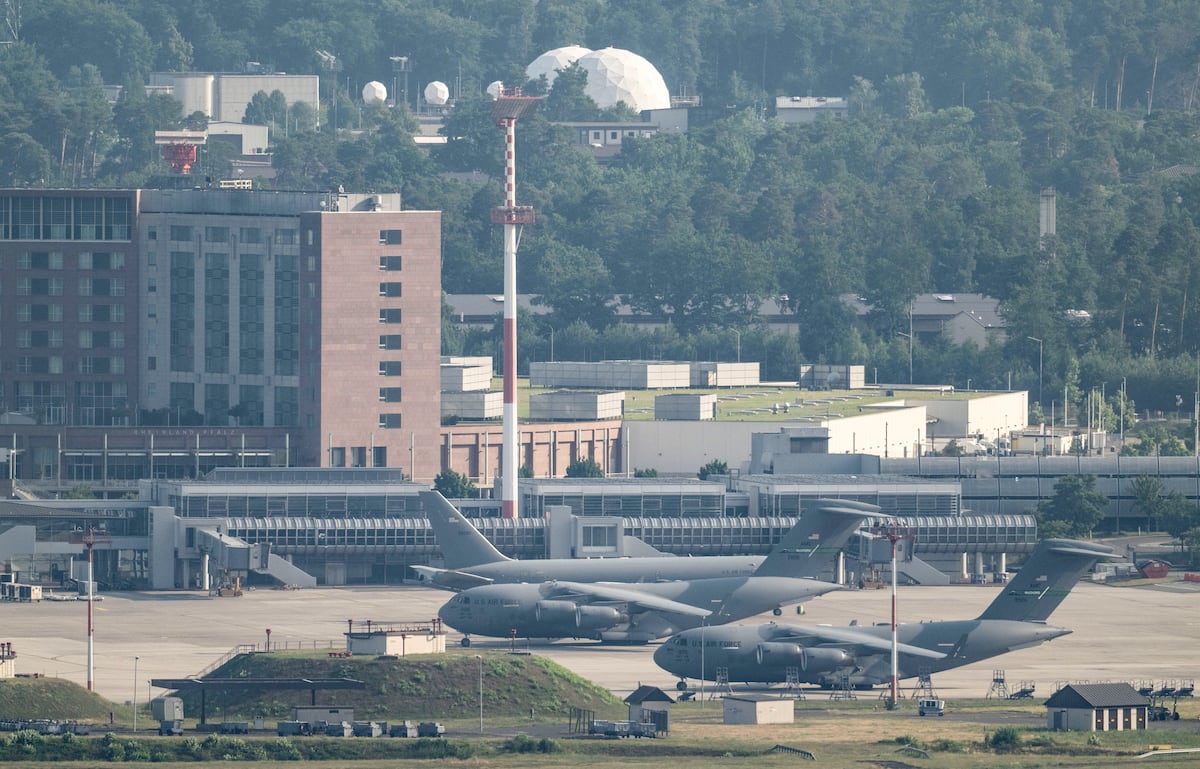
Languages mix at a Ramstein-Miesenbach restaurant where about 20 Germans and Americans gather monthly for a Stammtisch to socialize and practice languages. The group crosses generations and backgrounds, including soldiers, civilian employees, retirees, and teachers, and they plan activities while relaxing together. Political tensions, especially reactions to Donald Trump's remarks and proposals about Greenland, intrude on conversation and create discomfort for some attendees. Longstanding local friendships, barbecues, marriages and daily neighborly help underpin deep ties. Some participants try to avoid political topics to preserve relationships, while others express worry but emphasize mutual respect and community cohesion.
Read at english.elpais.com
Unable to calculate read time
Collection
[
|
...
]