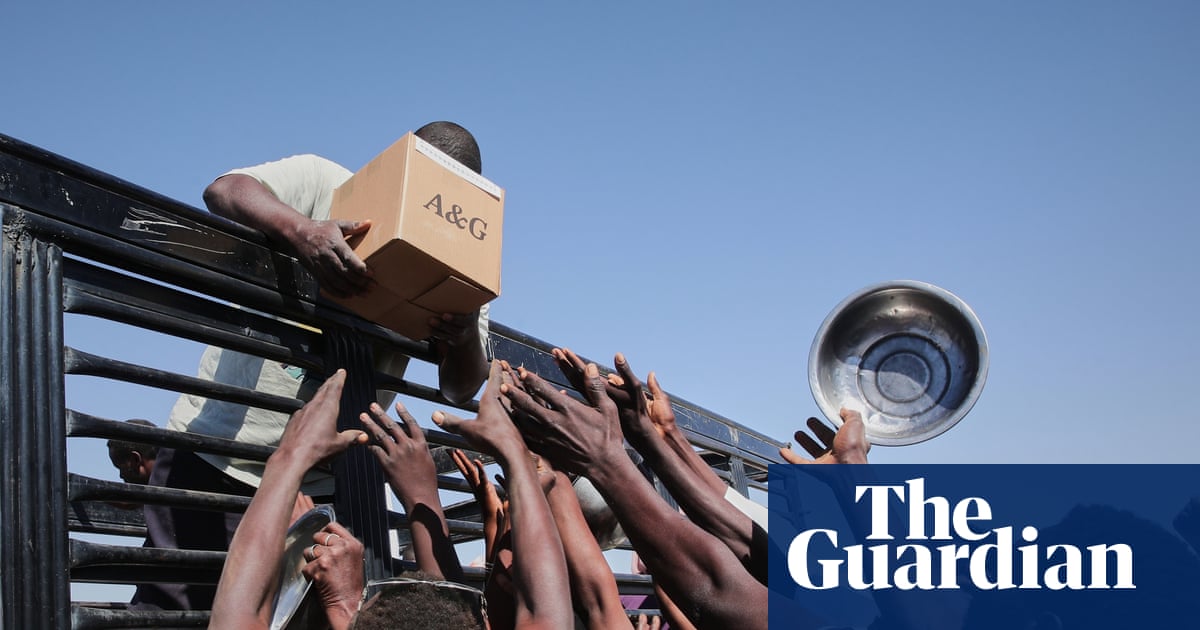
"An authoritative survey of 23 armed conflicts over the last 18 months has concluded that international law seeking to limit the effects of war is at breaking point, with more than 100,000 civilians killed, while torture and rape are committed with near impunity. The extensive study by the Geneva Academy of International Humanitarian Law and Human Rights describes the deaths of 18,592 children in Gaza, growing civilian casualties in Ukraine and an epidemic of sexual violence in the Democratic Republic of the Congo."
"Such is the scale of violations, and the lack of consistent international efforts to prevent them, that the study, entitled War Watch, concludes that international humanitarian law is at a critical breaking point. Stuart Casey-Maslen, the lead author, said: Atrocity crimes are being repeated because past ones were tolerated. Our actions or inaction will determine whether international humanitarian law vanishes altogether."
"The research concludes: We do not know how many civilians have been killed in the conduct of hostilities during armed conflicts in 2024 and 2025, but we do know that the number is well over 100,000 in each of the two years. The result is that serious violations of international humanitarian law (IHL) were wrought, the report continues, on a huge scale and with rampant impunity while efforts to seek war crimes prosecutions have been limited in response."
A survey of 23 armed conflicts over an 18-month period found international humanitarian law under severe strain. More than 100,000 civilians were killed each year in 2024 and 2025, including 18,592 children in Gaza. Torture, rape, and sexual violence occurred with near impunity, notably an epidemic of sexual violence in the Democratic Republic of the Congo. Civilian casualties grew in Ukraine amid sustained hostilities. War crimes prosecutions and consistent international prevention efforts were limited, allowing repeated atrocity crimes. The cumulative scale of violations risks eroding laws designed to protect civilians in armed conflict.
Read at www.theguardian.com
Unable to calculate read time
Collection
[
|
...
]