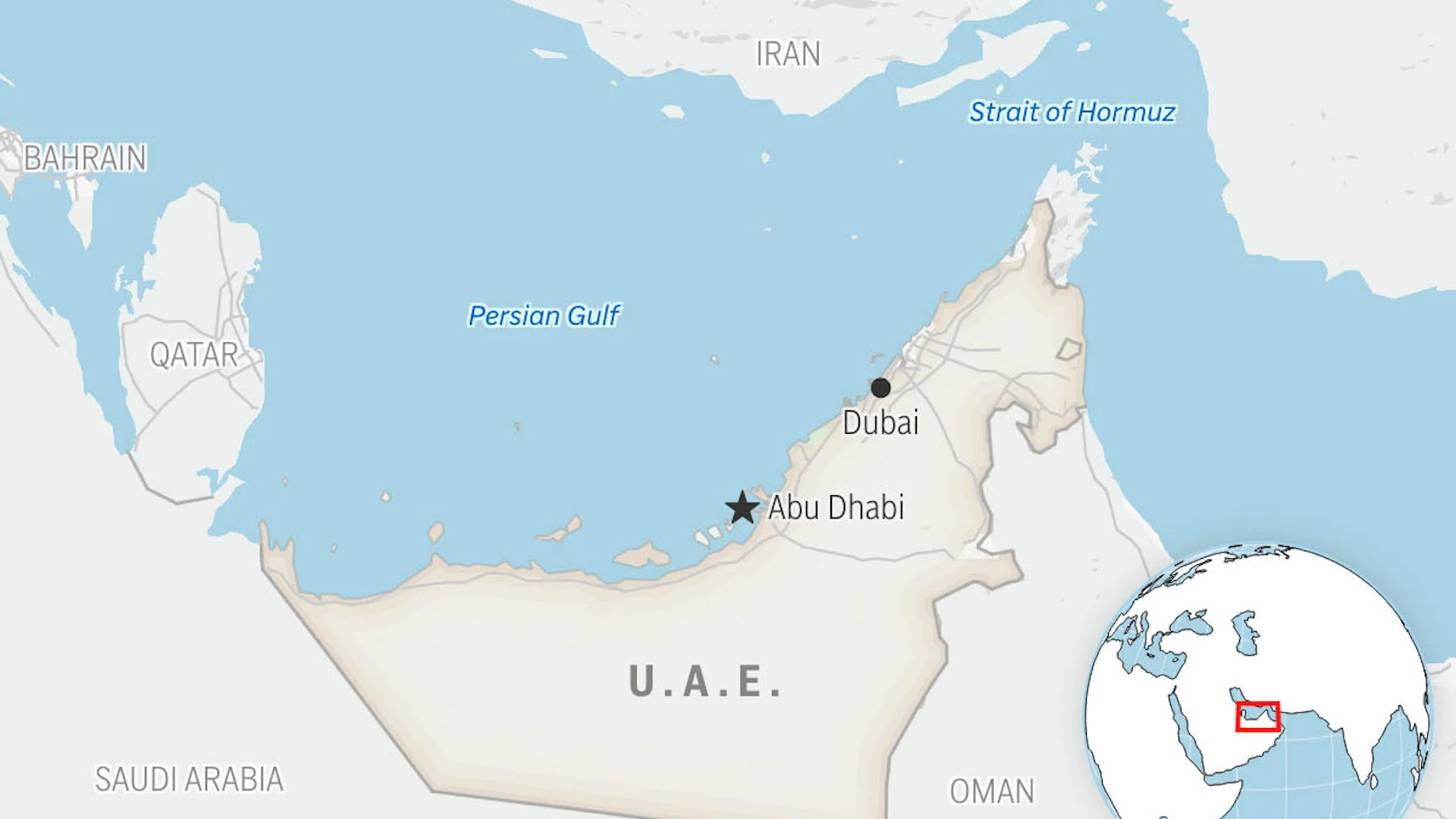
"Having invested heavily in expanding energy production capacity in recent years, the bigger picture is that the UAE has been itching to pump more oil. The ties binding OPEC members together have loosened, particularly after Qatar withdrew from the cartel in 2019."
"The UAE's withdrawal from OPEC won't necessarily have any immediate effects on markets. That's because world oil supplies are sharply constrained by the war in Iran, which has closed off the Strait of Hormuz, a waterway through which one-fifth of global oil supplies is transported."
The UAE's exit from OPEC, effective May 1, signifies a loss of one of its largest producers, diminishing the cartel's control over oil markets. The UAE has resisted OPEC's production quotas, seeking to increase its oil output. Political tensions with Saudi Arabia, OPEC's largest member, have also contributed to this decision. Although the UAE's withdrawal may not immediately impact oil markets due to ongoing supply constraints from the Iran conflict, it reflects a broader trend of weakening OPEC's market power amid rising U.S. oil production.
Read at Fast Company
Unable to calculate read time
Collection
[
|
...
]