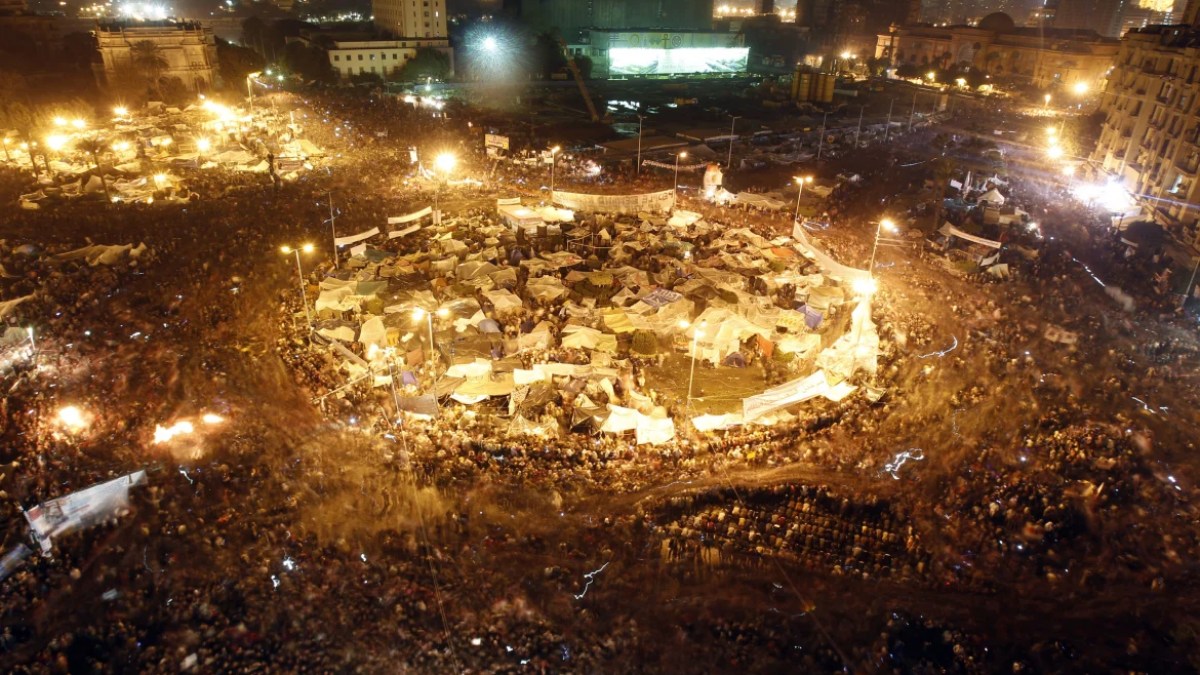
"For more than a decade, the Arab Spring has been widely dismissed as a failure, often portrayed as a brief eruption of idealism that collapsed into repression, war and authoritarian restoration. Tunisia's uprising, which started on December 17, 2010, with the self-immolation of street vendor Mohamed Bouazizi in Sidi Bouzid, is often remembered in this register: as a tragic prelude to dashed hopes rather than a transformative political moment. This reading is incomplete and, in important ways, misleading."
"It was a moral rupture that shattered the quiet normalisation of humiliation and laid bare the ethical foundations of authoritarian rule. What followed in Tunisia, and soon across much of the Arab world, was not simply protest, but an awakening: a collective realisation about dignity, belonging and the limits of obedience. The Arab Spring should therefore be understood less as a failed transition than as a lasting transformation of political consciousness."
Beginning with Mohamed Bouazizi's self-immolation in Sidi Bouzid on December 17, 2010, a moral rupture exposed the ethical foundations of authoritarian rule. The uprising shattered the normalization of humiliation and triggered an awakening about dignity, belonging and the limits of obedience. The Arab Spring reshaped political consciousness across Tunisia and much of the Arab world, altering how people understood citizenship, legitimacy and their capacity to act. Even where regimes survived or reasserted control, the experiential shift endured and changed the terrain on which power is contested. Protests in cities such as Tunis, Cairo, Sanaa and Benghazi shared an emotional and political grammar.
Read at www.aljazeera.com
Unable to calculate read time
Collection
[
|
...
]