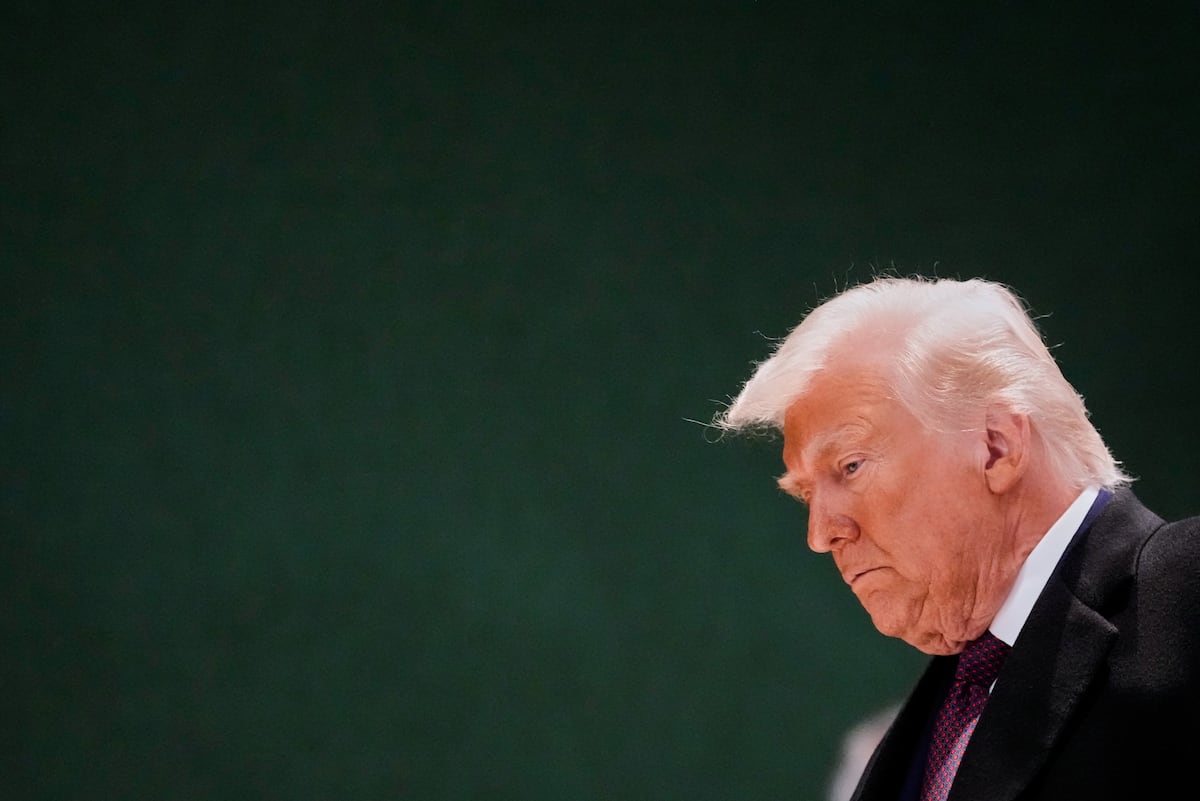
"The United States, the world's leading power, the country that forged the most formidable network of alliances in history and, thanks to it, was able to wield an astonishing level of hegemony, presented a new international diplomatic project to the world's rich and powerful gathered in the Swiss town. Flanked by some twenty leaders, none of them were among its major allies, none of the advanced democracies, none of the world's largest economies."
"On the Davos stage, Donald Trump's performancehis now-traditional litany of self-praising argumentswas backed up by leaders such as Javier Milei of Argentina, Viktor Orban of Hungary, and the presidents of Indonesia, Pakistan, Mongolia, Qatar, Kazakhstan, Azerbaijan, Armenia and Paraguay, as well as foreign ministers from Morocco and Turkey, among others. This group, I like every single one of them, can you believe it? Usually I have about two or three that I can't stand. But I like every single one of them. They're great people. Great leaders."
The United States appeared at Davos with a diplomatic lineup composed largely of leaders outside its principal allies and advanced democracies. The arrangement signaled a weakening of American influence and a trajectory toward geopolitical isolation driven by undermining alliance networks and fostering resentment. Donald Trump emphasized personal praise and unconventional partnerships with figures such as Javier Milei and Viktor Orban alongside leaders from multiple nontraditional partner countries. Traditional allies pushed back: Mark Carney called for resistance networks against brute-force approaches and Emmanuel Macron contrasted respect and science with bullying and conspiracy. These exchanges underscored growing rifts between U.S. leadership style and established allied positions.
Read at english.elpais.com
Unable to calculate read time
Collection
[
|
...
]