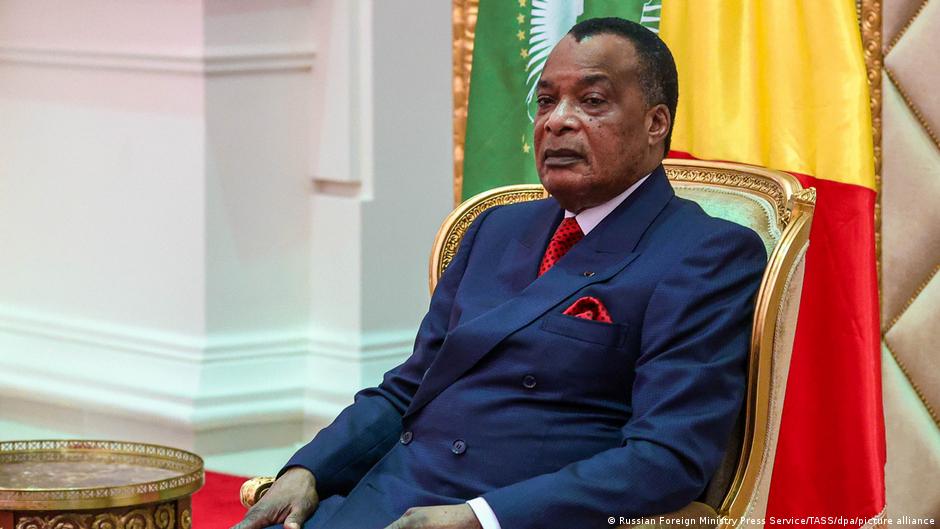
"Denis Sassou Nguesso has simply been the main political constant in the Republic of the Congo for the vast majority of the past 47 years. Many of the country's eligible voters have actually never really known any other leader in their lives. Sassou Nguesso rose to power in 1979, having already spent over a decade as a member of an elite circle of leading figures in Brazzaville."
"From a outside perspective, too, the ageing leader is widely viewed as a stable figure in the midst of a conflict-ridden region: while neighboring countries such as Cameroon, the Central African Republic, and the Democratic Republic of Congo continue to be shaken by a seemingly endless series of crises, Brazzaville has managed to remain politically stable for many years."
"This is also the argument put forward by Sassou Nguesso's supporters and strategists for his renewed bid for the presidency: They believe that not only the Republic of the Congo but indeed the greater region needs a seasoned leader like Sassou Nguesso."
Denis Sassou Nguesso has been the dominant political figure in the Republic of the Congo for nearly five decades, rising to power in 1979 after a decade in elite political circles. A five-year interruption occurred in the 1990s due to civil war, but he has ruled continuously since 2000. At 82 years old, he represents stability to both domestic voters and international observers, particularly when compared to neighboring countries like Cameroon, the Central African Republic, and the Democratic Republic of Congo, which face ongoing crises. Seven relatively unknown candidates are running against him in the March 15 election, though few believe any can challenge his dominance. Supporters argue his experienced leadership benefits both the nation and the broader region.
Read at www.dw.com
Unable to calculate read time
Collection
[
|
...
]