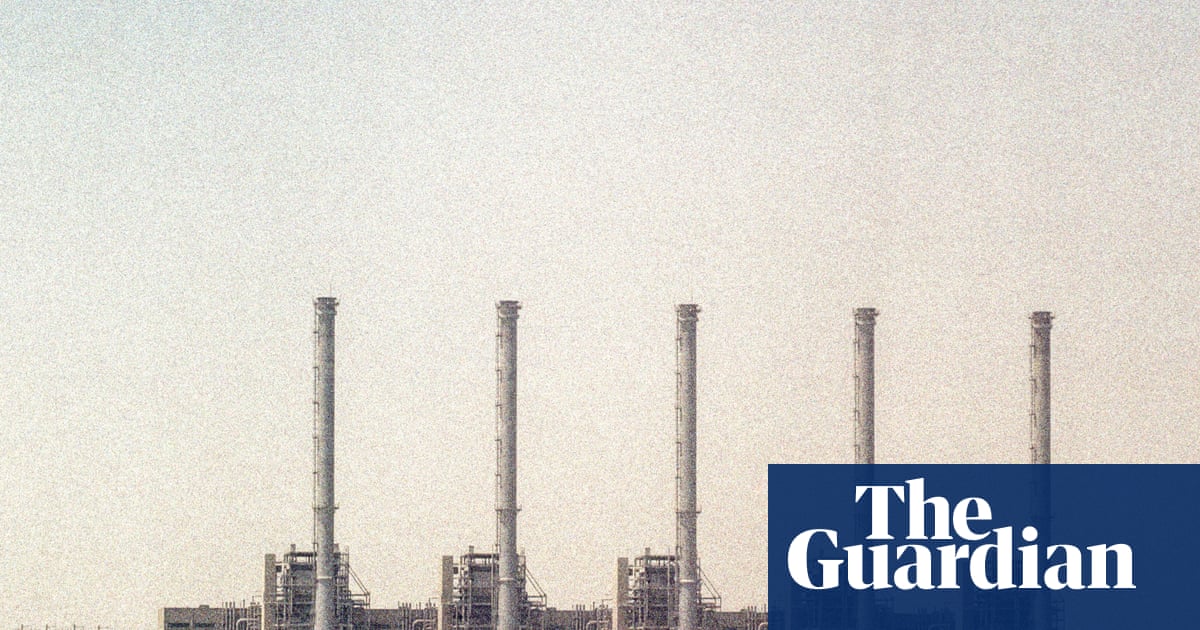
"In 1983, the CIA determined that the most crucial commodity in the Gulf was its desalinated potable water. Although the loss of a single plant could be handled, successful attacks on several plants in the most dependent countries could generate a national crisis that could lead to panic flights from the country and civil unrest."
"Potable water has always been a scarce commodity in the Gulf. Rainfall in the Middle East is low and highly variable, and most countries lack large permanent rivers to fulfil their water needs. Historically, the region had simply coped, drawing from what limited groundwater supplies they had."
"According to the latest data, 70% of Saudi Arabia's drinking water comes from desalination plants; in Oman the figure is 86%; the United Arab Emirates, 42%; and in Kuwait, 90%. Even Israel, which has access to the Jordan river, relies on five large coastal desalination plants for half its potable water."
The Gulf region faces severe water scarcity due to low rainfall and limited natural water sources, forcing countries to rely heavily on desalination plants. Since the 1950s oil boom increased demand beyond available groundwater supplies, desalination became essential infrastructure. Saudi Arabia derives 70% of drinking water from desalination, Kuwait 90%, Oman 86%, and the UAE 42%. Even Israel relies on desalination for half its potable water. The CIA identified desalination plants as critical vulnerabilities in 1983, recognizing that coordinated attacks could trigger national crises, panic, and civil unrest. Recent accusations between Iran and the US regarding attacks on desalination plants in the Gulf demonstrated the geopolitical tensions surrounding this vital infrastructure.
#water-security #desalination-infrastructure #gulf-region-geopolitics #strategic-vulnerabilities #iran-us-tensions
Read at www.theguardian.com
Unable to calculate read time
Collection
[
|
...
]