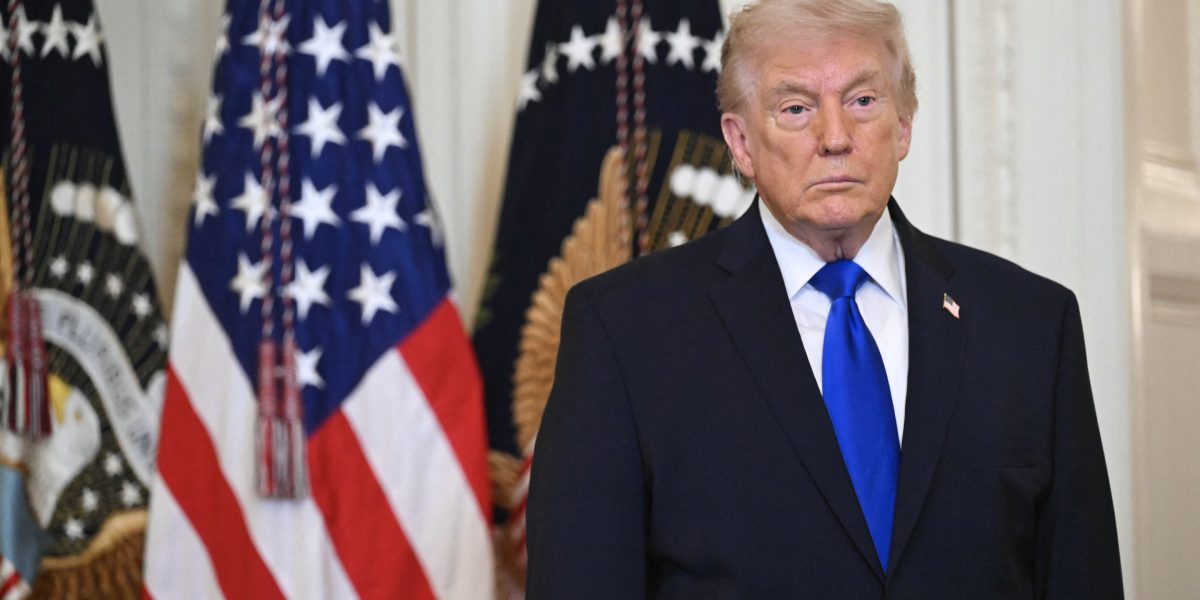
"Any president would feel that was extremely risky. Iran's a big country with a big military. The risks you would be taking are large amounts of casualties, and you may not succeed in what you're trying to do. But Trump, in particular, despite the military strike against Iran and the one against Venezuela, is not a big fan of big military interventions and war."
"Throughout his career, he does well with a little bit of chaos. He doesn't mind creating a little bit of chaos and figuring out a way to make a profit on the other side of that. War is too much chaos. It's really hard to predict what the outcome is going to be, what all the ramifications are going to be."
"One risk is going on right now, which is that the Iranians may get lucky or smart and manage to attack a really good target and kill a lot of people, like something in Jerusalem or Tel Aviv or a U.S. military base. The second risk is that the attacks don't work, that the supreme leader and whoever else is considered the political leadership of Iran survives."
Large-scale U.S. military intervention in Iran is unlikely despite potential limited special forces operations. Any president would view such intervention as extremely risky given Iran's size and military capabilities, with potential for significant casualties and uncertain success. Trump specifically has demonstrated reluctance toward major military interventions throughout his career, preferring targeted strikes and small special forces units over deploying thousands of troops. He avoids large-scale warfare due to its unpredictability and difficulty in controlling outcomes. Trump faces multiple risks including potential Iranian attacks on high-value targets, failed operations that damage credibility, or successful strikes that create leadership vacuums with unpredictable consequences.
#us-iran-military-conflict #trump-foreign-policy #military-intervention-strategy #geopolitical-risk-assessment
Read at Fortune
Unable to calculate read time
Collection
[
|
...
]