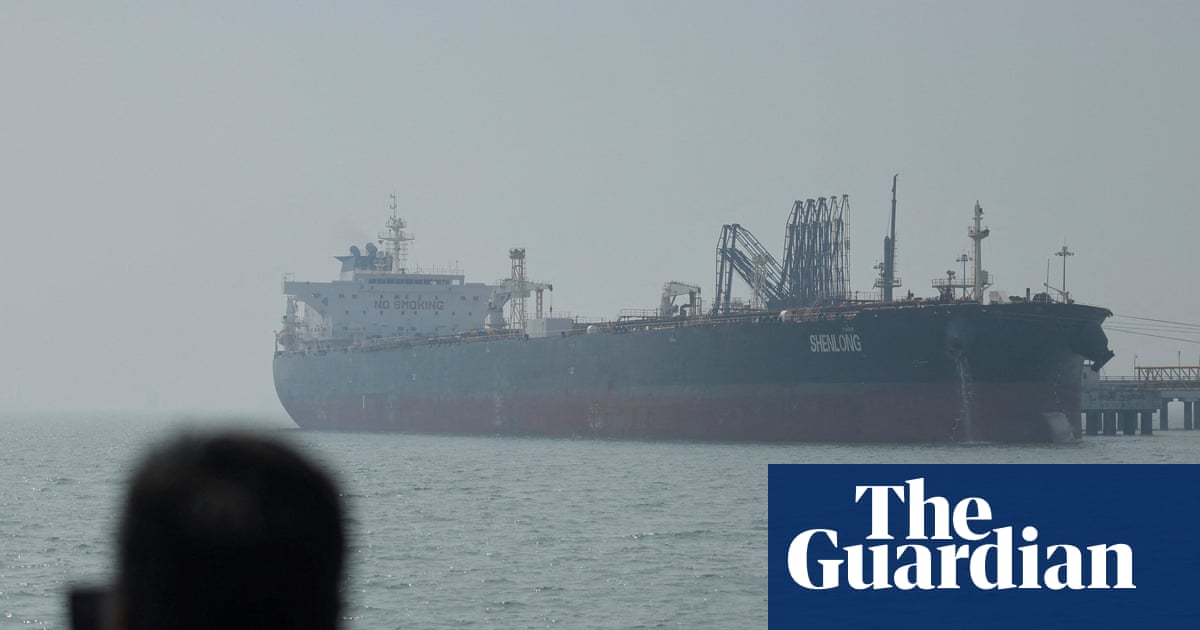
"The strait is the only maritime passage between the Gulf and the Gulf of Oman and the route for about a quarter of the world's liquefied natural gas and seaborne trade from Gulf countries to reach the global market. Shipping in the chokepoint is confined to a pair of two-mile-wide lanes, one for outbound traffic and one for incoming, separated by a two-mile-wide meridian."
"As part of its policy to widen the geographic scope of the war and increase the global costs associated with it, Iran has attacked ships and reportedly started to lay mines in the strait, in effect closing it to marine traffic. That has pushed up insurance premiums for cargo operators also concerned about crews' safety, although insurances policies continue to be written."
"At its narrowest the strait is just 21 nautical miles wide (24 miles), with the deepest channel constrained on one side by the coast of Iran and on the other by the Musandam peninsula in Oman. As a global trade route in a politically complex region, the strait has been targeted for leverage including during the tanker war in the Iran-Iraq conflict in the 1980s."
More than 1,000 cargo ships, primarily oil and gas tankers, have been unable to transit the Strait of Hormuz following Iran's closure of this vital maritime route in response to the Israeli-US conflict. The strait serves as the only passage between the Gulf and Gulf of Oman, handling approximately one-quarter of the world's liquefied natural gas and seaborne trade from Gulf nations. Iran has attacked ships and reportedly begun laying mines in the waterway, effectively blocking marine traffic. Despite Trump administration suggestions about establishing naval escorts, these efforts have not materialized amid ongoing Iranian strikes on tankers and rising energy prices. The strait's strategic importance stems from its narrow geography—just 21 nautical miles wide at its narrowest point—making it vulnerable to blockade tactics historically used during conflicts.
#strait-of-hormuz-blockade #iran-us-conflict #global-maritime-trade-disruption #energy-market-impact #naval-security
Read at www.theguardian.com
Unable to calculate read time
Collection
[
|
...
]