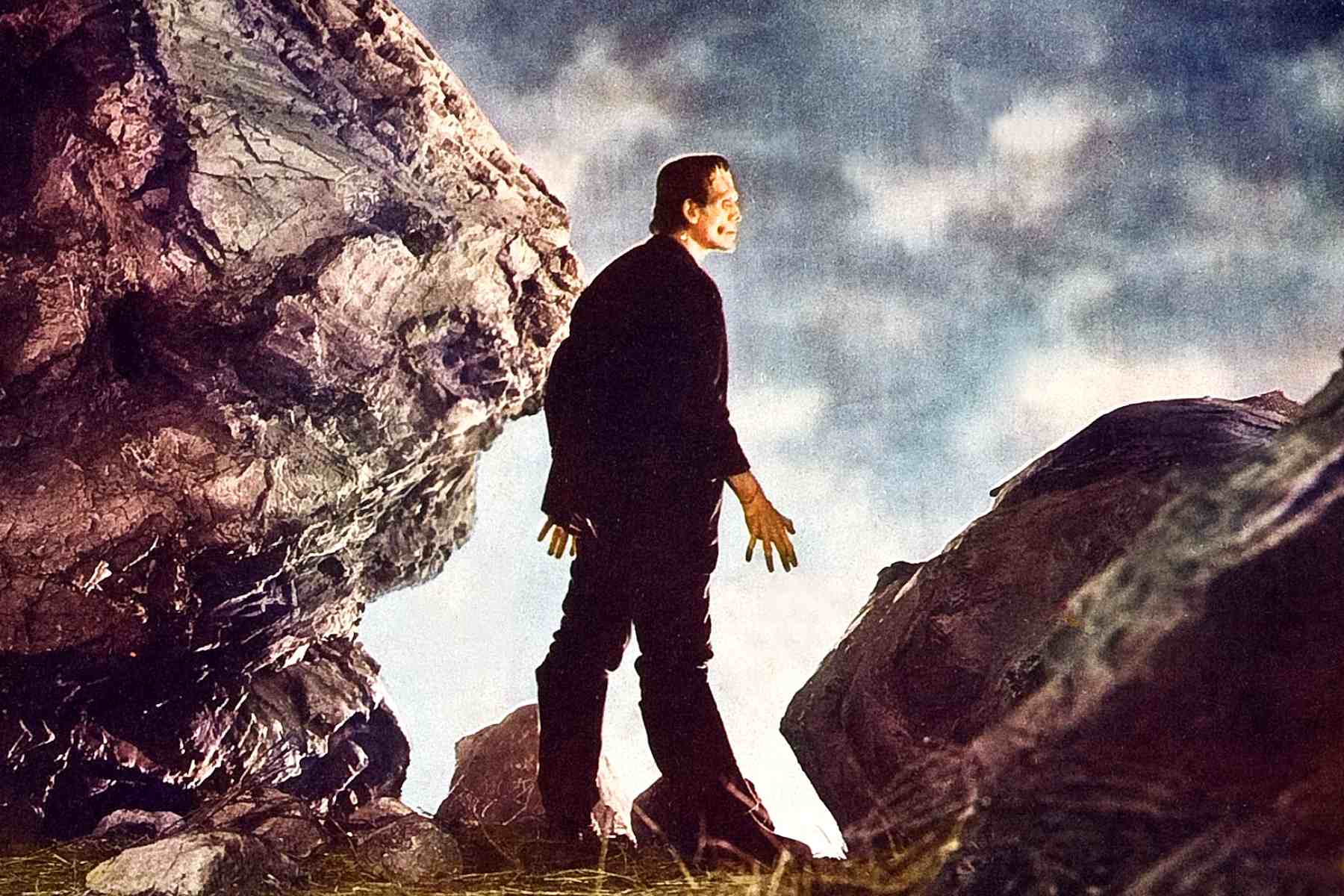
"Mary Shelley's Frankenstein, published in 1818, follows scientist Victor Frankenstein, who creates a living creature from inanimate parts, only to abandon it. It is fundamentally an exploration of unchecked human greed, the desire for recognition and control over nature."
"Reading Frankenstein, I found myself genuinely enjoying a classic for the first time. I noticed many parallels to the rise in artificial intelligence and ChatGPT: the creature's development of language, knowledge, and emotions mirrors how AI systems train on human data and networks."
"The novel's questions about responsibility, risk, and creating a consciousness from inanimate parts resonate with modern concerns about the ethical implications of artificial intelligence and the responsibilities of its creators."
Frankenstein, published in 1818 by Mary Shelley, tells the story of Victor Frankenstein, a scientist who creates a living creature from inanimate parts but abandons it. The novel delves into themes of unchecked human ambition, the quest for recognition, and the consequences of playing God. The narrative resonates with contemporary issues surrounding artificial intelligence, as the creature's development of language and emotions reflects the training of AI systems on human data. This connection highlights ongoing questions about responsibility and the ethical implications of creating consciousness.
Read at The Walrus
Unable to calculate read time
Collection
[
|
...
]