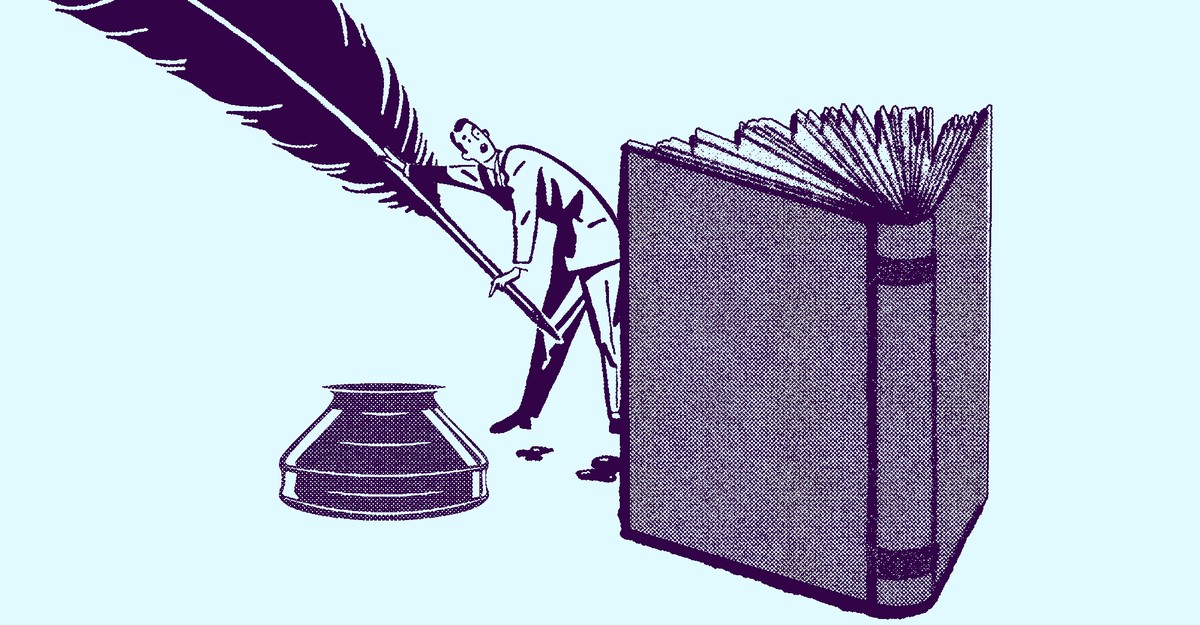
"My response-cranky, tweedy-was hopelessly on brand for a history professor. The chatbot and the droid appeared to be in league, robotic species on the vanguard of civilizational collapse. Both were premised on the idea of frictionless ease, liberating their users from outmoded toils. Because you couldn't kick the chatbot, I had to resist the urge to kick the droids. I felt new and sudden sympathy with those English weavers who tried to smash the machines."
"The product of too many years of humanities education, I wanted to defend the foundational exercise of writing. Going back to the late 19th century, writing instruction in the humanities has been premised on the idea of writing as both a craft and an art: a practical skill that could be taught and refined, and a creative practice through which sustained effort yielded insight."
ChatGPT and food-delivery droids arrived on campus in the 2022–23 academic year and provoked a reflexive, defensive reaction. The presence of both technologies suggested a shared promise of frictionless ease that seemed to displace older labors. The author connects that response to a broader defense of writing as a craft and an art, cultivated through reading, conversation, and difficult composition. Writing’s torments are presented as formative, producing thinking people capable of engaging complex ideas. The emergence of chatbots raises a challenge to the necessity of arduous writing, and archival material indicates similar anxieties about instruction and civilization dating to the 1890s.
Read at The Atlantic
Unable to calculate read time
Collection
[
|
...
]