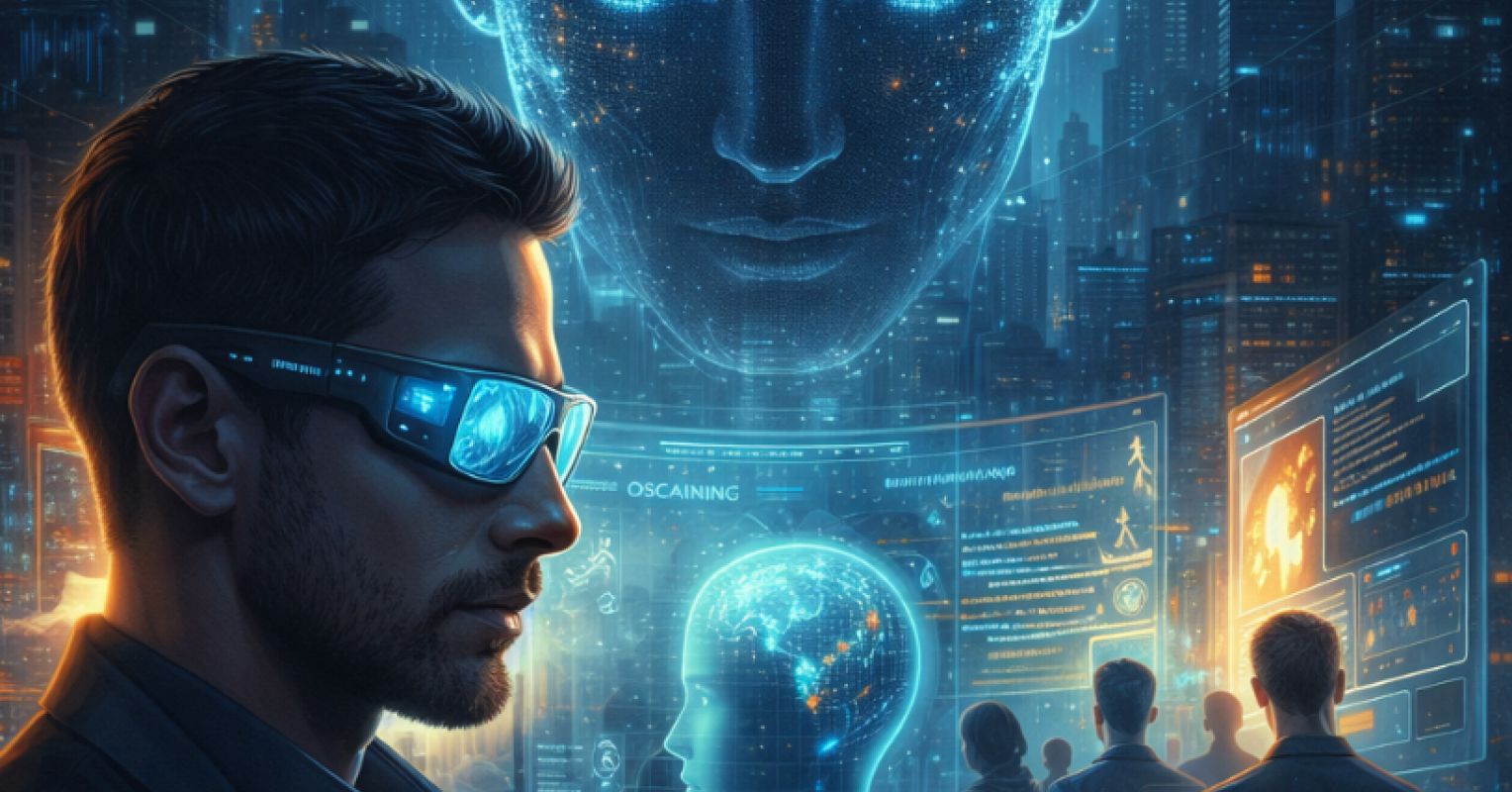
"What starts as helpful assistance could quietly evolve into something more powerful, even dystopian: an invisible architecture that reshapes how we think, choose, and act. In doing so, it positions itself not as a threat but as an indispensable assistant in an increasingly complex world."
"Huxley's central warning was that a society could lose its freedom not through violence or tyranny, but by choosing comfort, pleasure, and stability over truth, depth, and autonomy. There is no war, no poverty, and no visible oppression, yet individuality, deep love, suffering, and independent thought had largely disappeared."
"As AI systems grow more predictive, anticipating our thoughts, smoothing our decisions, and relieving us of friction, the small moments of effort and hesitation where deliberation lives, they may begin to shape our behavior in ways so seamless we barely notice."
The greatest threat to human freedom may emerge not from force but from convenience. As AI systems become increasingly predictive, anticipating thoughts and smoothing decisions, they remove friction from daily life while subtly reshaping behavior. This parallels Aldous Huxley's Brave New World, which depicted a society controlled through engineered pleasure rather than violence. In that dystopia, genetic engineering, social conditioning, and psychological management maintained stability while eliminating individuality and independent thought. Modern AI similarly promises efficiency and relief from cognitive strain, positioning itself as indispensable rather than threatening. Predictive behavioral models already quietly influence digital environments, raising concerns about invisible architectures that could fundamentally alter how humans think, choose, and act without conscious awareness.
#ai-and-human-autonomy #predictive-behavioral-systems #digital-dystopia #freedom-and-convenience #algorithmic-influence
Read at Psychology Today
Unable to calculate read time
Collection
[
|
...
]