"Since Plato, a dominant strain of Western philosophy has understood human beings primarily as rational thinkers, a view typified by René Descartes's conclusion: cogito ergo sum ('I think, therefore I am'). But in 1927, the German philosopher Martin Heidegger radically upended this tradition in his monumental opus Being and Time. Thinking and theorising, he argued, presupposes a special mode of being that is unique to humans: I am, therefore I think."
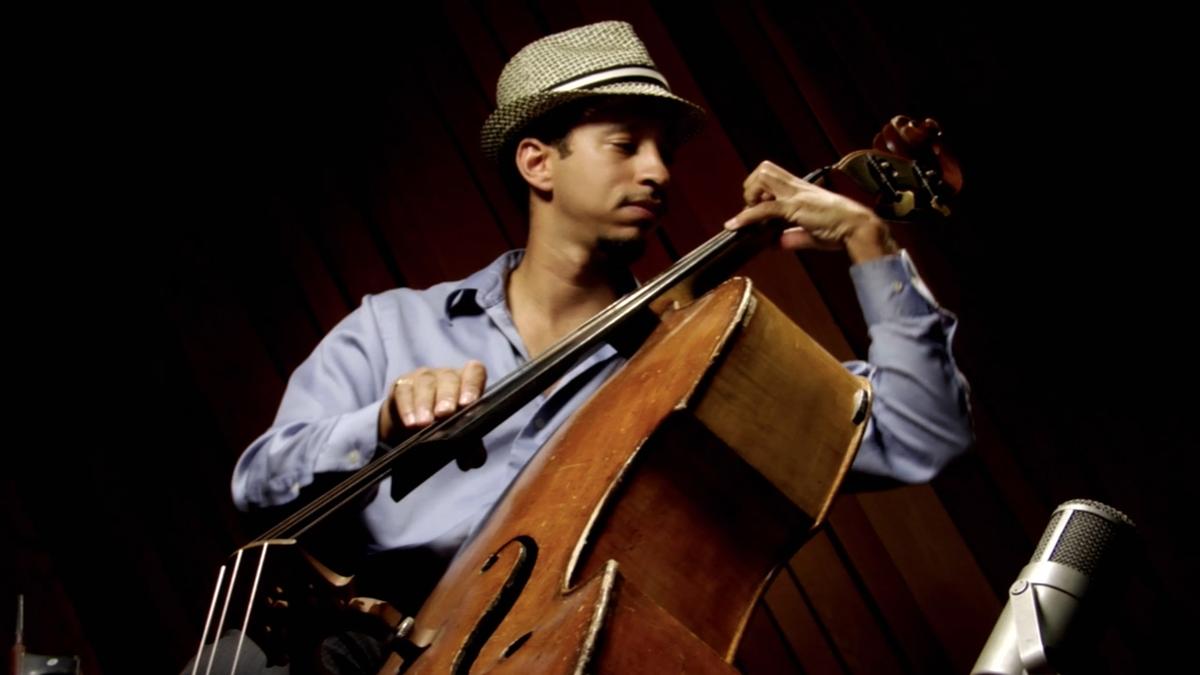
"The world is revealed to us not through theorising but through our way of being in the world, which Heidegger did so much to illuminate. In this excerpt from his feature-length documentary Being in the World (2010), the Italian American director Tao Ruspoli makes Heidegger's infamously dense arguments digestible via interviews with philosophers, including the late Hubert Dreyfus, and with skilled artists and artisans whose work demonstrates the degree to which our selves are often expressed through our interactions with the world rather than our thoughts about it."
Since Plato, Western philosophy often conceived human beings as primarily rational thinkers, epitomised by Descartes' cogito ergo sum. In 1927 Martin Heidegger reversed that orientation in Being and Time, arguing that thinking presupposes a particular mode of being: I am, therefore I think. The world becomes disclosed through practical, embodied ways of being rather than through abstract theorising. Tao Ruspoli's documentary Being in the World presents Heidegger's dense ideas accessibly through interviews with philosophers such as Hubert Dreyfus and demonstrations by skilled artists and artisans, whose practices show selves expressed through interaction with the world rather than through mere thought.
Read at Aeon
Unable to calculate read time
Collection
[
|
...
]