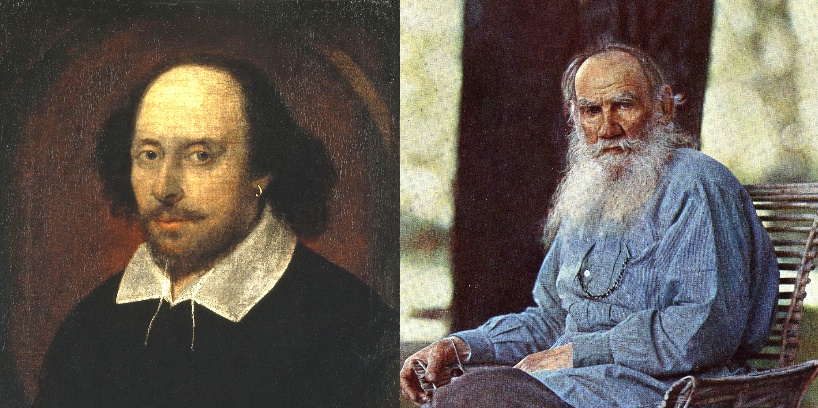
"Tolstoy vehemently opposed the patriarchal institutions he saw oppressing working people and constraining the spiritual life he embraced. He championed revolution as a change of a people's relation towards Power."
"In that 'we,' Tolstoy aligns himself with the Russian peasantry, affirming the ruddy moral health of the peasants while pointing out the decadence of the aristocracy and its institutions."
"In a 1906 essay on Shakespeare, Tolstoy expresses 'my own long-established opinion about the works of Shakespeare, in direct opposition, as it is, to that established in all the whole European world.'"
Leo Tolstoy underwent a radical conversion to Christian anarchism, resulting in a strong opposition to the patriarchal institutions that he believed oppressed working people. He championed revolution as a transformation of the people's relationship with power, aligning himself with the Russian peasantry. His essays from this period outline a political philosophy that emphasizes the moral integrity of the peasantry while criticizing the decadence of the aristocracy. In a 1906 essay on Shakespeare, he expresses his dissenting views against established European opinions.
Read at Open Culture
Unable to calculate read time
Collection
[
|
...
]