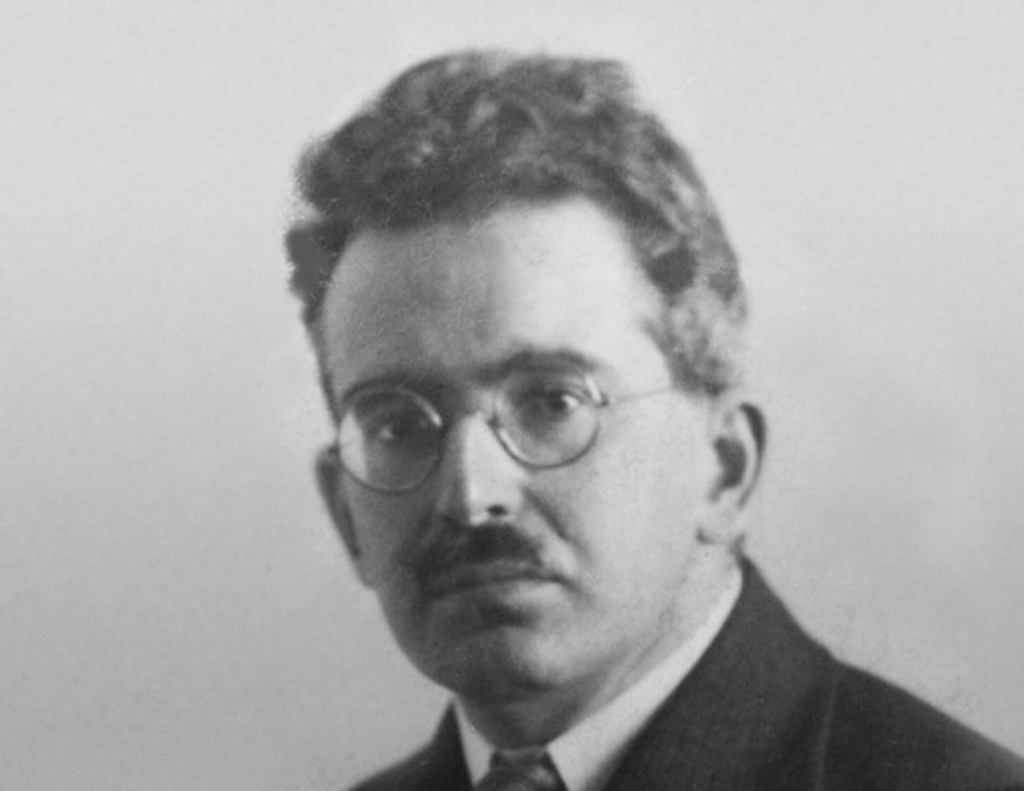
"In his 1935 essay, "The Work of Art in the Age of Mechanical Reproducibility," influential German-Jewish critic Walter Benjamin introduced the term "aura" to describe an authentic experience of art. Aura relates to the physical proximity between objects and their viewers. Its loss, Benjamin argued, was a distinctly 20th-century phenomenon caused by mass media's imposition of distance between object and viewer, though it appears to bring art closer through a simulation of intimacy."
"The essay makes for potent reading today. Mass media - which for Benjamin meant radio, photography, and film - turns us all into potential actors, critics, experts, he wrote, and takes art out of the realm of the sacred and into the realm of the spectacle. Yet it retains the pretense of ritual. We make offerings to cults of personality, expanded in our time to include influencers and revered and reviled billionaires and political figures who joust in the headlines like professional wrestlers,"
Aura denotes the unique, authentic presence of an artwork tied to physical proximity and ritual context. Mechanical reproduction—photography, radio, film—diminishes aura by severing the original's singular existence and imposing mediated distance. Reproducibility expands access yet substitutes simulated intimacy for authentic experience, converting art into spectacle and undermining its cultic authority. Mass media transforms consumers into participants—actors, critics, experts—while enabling commodity forms of personality and celebrity. The film industry manufactures a phony spell of personality that preserves commodified appearance rather than genuine presence. The loss of aura reshapes cultural value, political power, and modes of attention in modern life.
Read at Open Culture
Unable to calculate read time
Collection
[
|
...
]