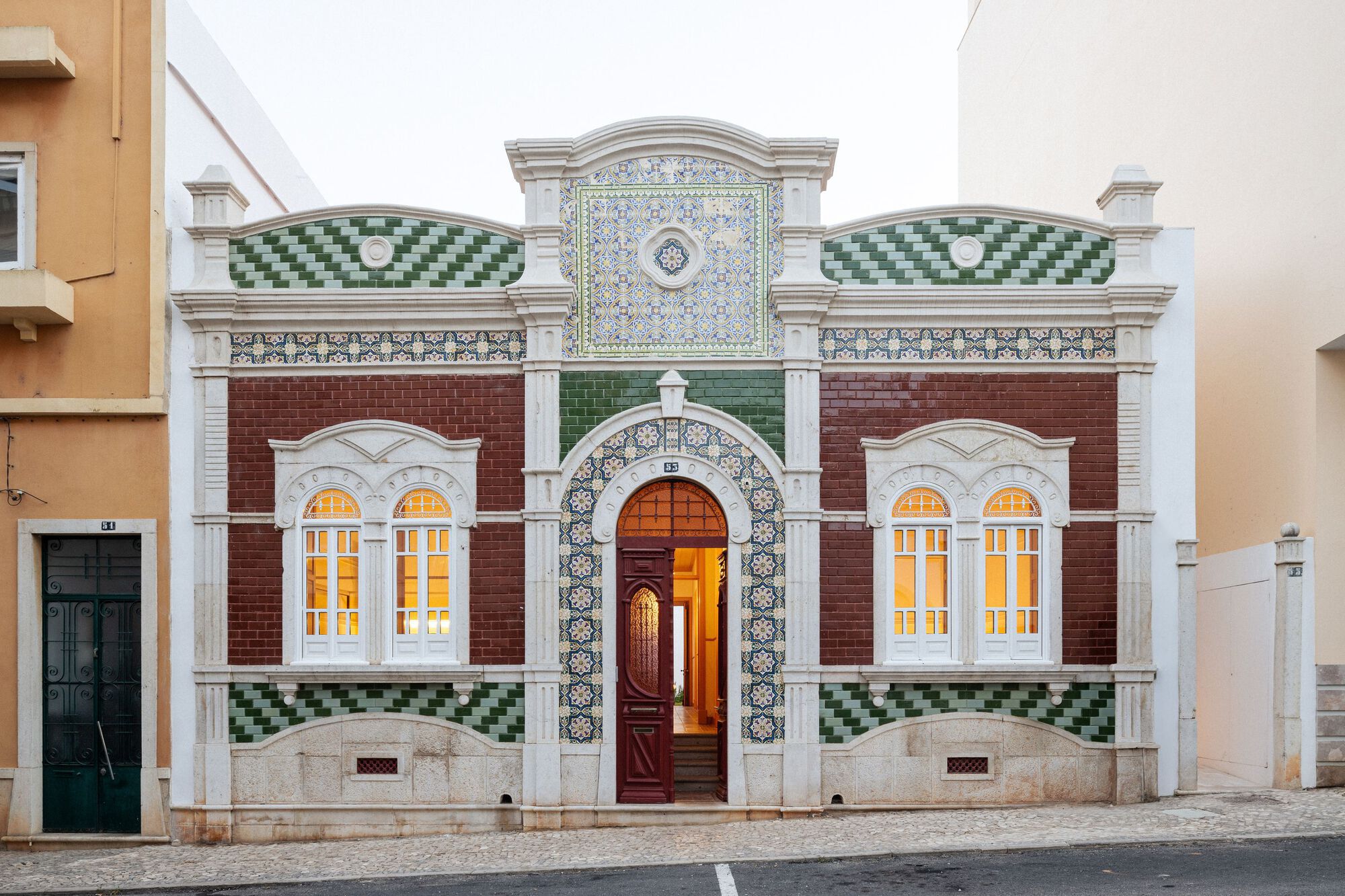
"The basis remained similar, though, with a focus on artisanal value and craftsmanship; the use of wood, glass, and various metals; the integration of organic forms into the exterior facade and interior structure."
"Art Nouveau's elegant ornamentation and attention to detail can be seen in many hotels and restaurants, offering a dose of opulence and visual engagement to visitors, but with new additions."
"Some might be adaptive reuse or renovation works of original projects, in which the architects take care to highlight the unique historic building details."
"The listed recreations and adaptations are diverse, each focusing on some key aspects such as patterned tiles, stained glass, metallic ornaments, and accent lighting fixtures."
At the turn of the 20th century, various architectural movements emerged globally, including Arts and Crafts, Art Nouveau, and Art Deco. These styles emphasized artisanal craftsmanship, organic forms, and ornamental details. They adapted to different cultural contexts while maintaining core principles. Although these movements evolved, their influence persists in modern architecture, particularly in commercial and hospitality designs. Contemporary interpretations often incorporate elements like patterned tiles, stained glass, and metallic ornaments, blending historical aesthetics with modern functionality.
Read at ArchDaily
Unable to calculate read time
Collection
[
|
...
]