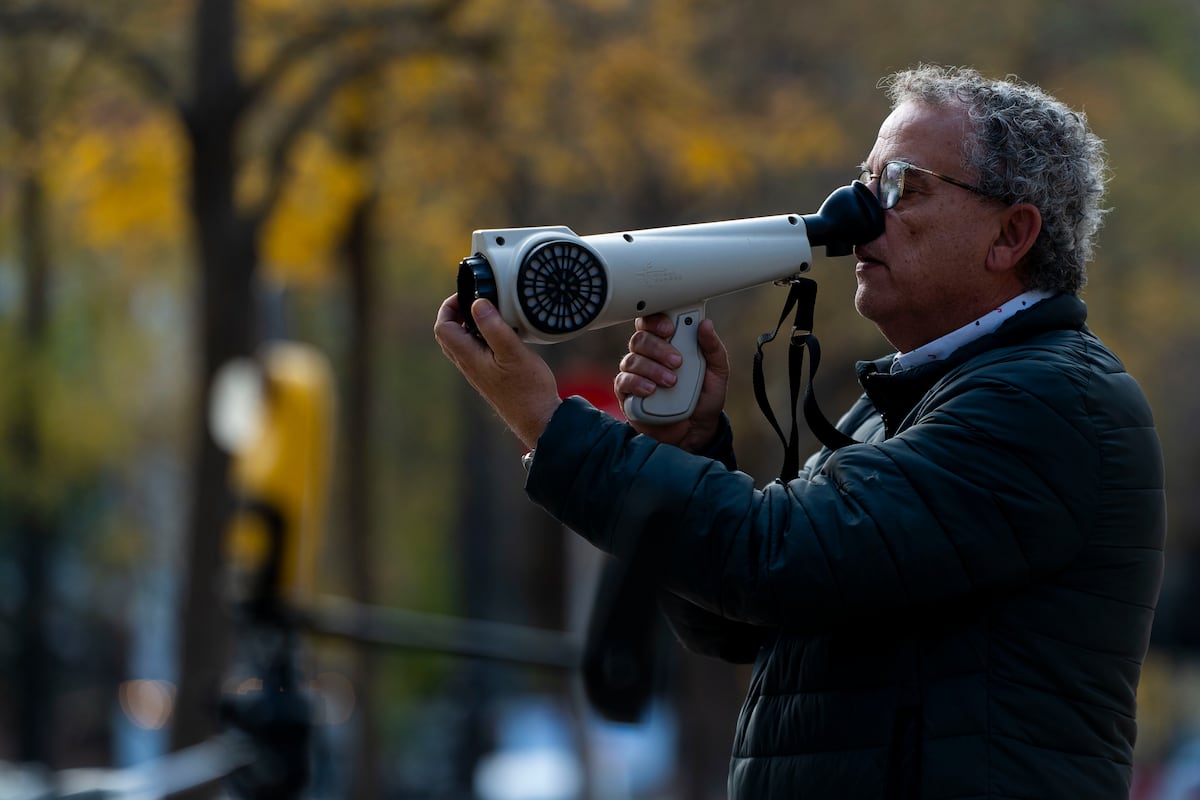
"Dynamic olfactometry involves filling a bag with air to be analyzed, which is then taken to laboratories where human noses assess the odor. Panelists start with minimal dilution, gradually increasing it until half perceive the smell, providing an estimated measurement of odor levels."
"Rosa Arias explains that the standard procedure in Europe, UNE 13725, is used by companies to determine if emissions from sources like chimneys exceed authorized odor levels. However, this method does not measure the discomfort caused by odors at a distance."
"Arias also trains individuals to identify different smells, highlighting the importance of understanding odor impact beyond just the point of emission. Current regulations on odor pollution are limited, with only some municipal ordinances in place."
"Citizen mobilization against foul odors is growing in Spain, but measuring the impact of these odors is complex. There is a lack of effective regulation for odor pollution, making it difficult to address community concerns."
Scientific measurement of odors can be done through dynamic olfactometry, where human testers evaluate air samples. This method, standard in Europe, helps companies determine if emissions exceed legal odor levels. However, it does not account for the discomfort caused by odors at a distance. Rosa Arias, a chemical engineer, emphasizes the need for better assessment methods, as current regulations are limited and citizen mobilization against odor pollution is increasing in Spain.
#odor-measurement #dynamic-olfactometry #odor-pollution #citizen-mobilization #environmental-regulation
Read at english.elpais.com
Unable to calculate read time
Collection
[
|
...
]