The fintech giant has unveiled a new strategic direction for Revolut Pay, announcing plans to make its one-tap checkout work seamlessly across all agentic commerce platforms in the UK and the European Economic Area (EEA). At the heart of the move is Revolut Pay's compatibility with Google's Agent Payments Protocol (AP2), positioning the company early in a fast-moving mix of payments and artificial intelligence.
Retailers, especially larger companies, recognize the importance of artificial intelligence and agentic commerce, and plan to make that a reality this year, Srjana Balraj, global head, unified commerce platform at TCS told American Banker. "If you are not visible in the [AI] chat interface, you are going to lose the customer eventually," Balraj said. "The work started last year and two years back based on the maturity of where retailers are.
The promise is simple enough. AI agents act on behalf of shoppers to search, compare, select, and even purchase products. These agents will use a shopper's preferences - stated and inferred - rather than browsing products from digital shelves. McKinsey & Company describes it this way: "Companies have spent decades refining consumer journeys, fine-tuning every click, scroll, and tap. But in the era of agentic commerce, the consumer no longer travels alone. Their digital proxies now navigate the commerce ecosystem."
For the past decade, it seems that while technology has become increasingly advanced, the online shopping experience has remained largely the same: endless scrolling, reviews we don't fully trust and price comparisons that often create more confusion than clarity. Despite improvements in logistics and payments, the core workflow-search, scroll, compare, repeat-has barely evolved. With the rise of A.I., that equilibrium is finally breaking.
The technology giant announced Thursday that it has rolled out several AI-enabled shopping functions just ahead of the holidays. The features pair with other AI-enabled capabilities Google has already launched, including a way to track items' prices and virtual try-on options that allow a user to see how clothing looks directly on their body. Google said it has made conversational commerce, both with its large-language model (LLM), Gemini, and its search tool, which it calls AI Mode, easier for consumers.
To prepare for a future in which AI can make purchases on your behalf, companies are laying the groundwork for agentic transactions, and PayPal is the latest to join the effort. Also: I let ChatGPT Atlas do my Walmart shopping for me - here's how the AI browser agent did On Tuesday, the company launched its agent commerce services, a suite of solutions designed for merchants to enable AI-driven shopping experiences that build on PayPal's existing payment infrastructure.
This bifurcation, according to Stern, is at the separation of commodity buying and experience-based shopping. On the one hand, if someone wants a commodity item or a widely available brand, almost any store will do. A shopper might ask ChatGPT to order more Tide laundry detergent, and not care who sells it. What matters is getting Tide delivered quickly at a low price.
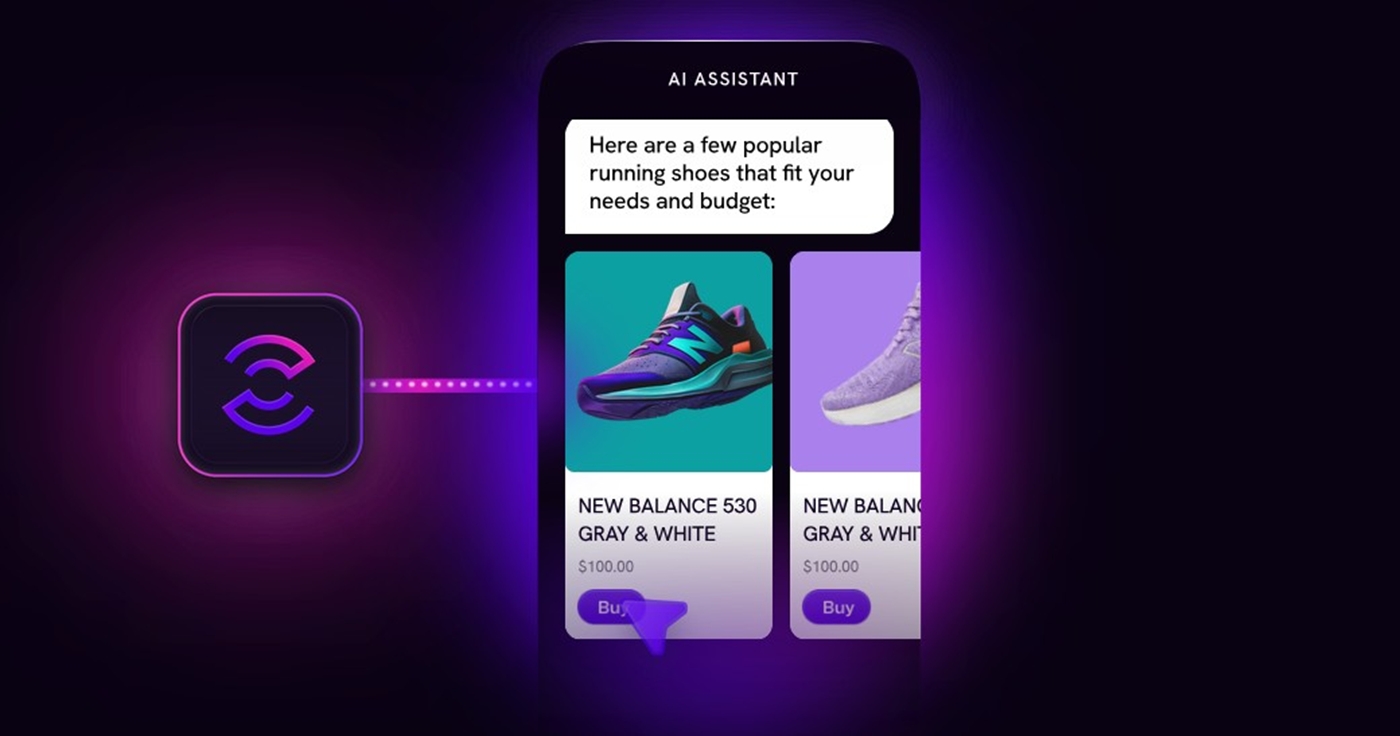
What if your next online shopping experience didn't require endless scrolling, multiple tabs, or even visiting a website? Imagine asking a chatbot for the perfect pair of running shoes, receiving tailored recommendations, and completing your purchase, all within the same conversation. This isn't a glimpse into a far-off future; it's the reality Shopify is creating with its new integration of ChatGPT-powered agentic commerce. By blending conversational AI with e-commerce, Shopify is not just refining how we shop, it's fundamentally redefining it.
Agent Payments Protocol (AP2) is a new open standard that lets AI agents complete purchases on a consumer's behalf - safely, with proof of consent and with clear accountability if something goes wrong. Think of it as the missing payments layer for "agentic commerce," where shoppers increasingly delegate tasks like research, comparison and checkout, to AI assistants that operate across sites and apps.