#autonomous-weapons
#autonomous-weapons
[ follow ]
#ai-regulation #ai-ethics #mass-surveillance #ai-governance #government-regulation #supply-chain-risk
fromNextgov.com
1 week agoAutonomous weapons will be 'key and essential part' of warfare, Joint Chiefs chair says
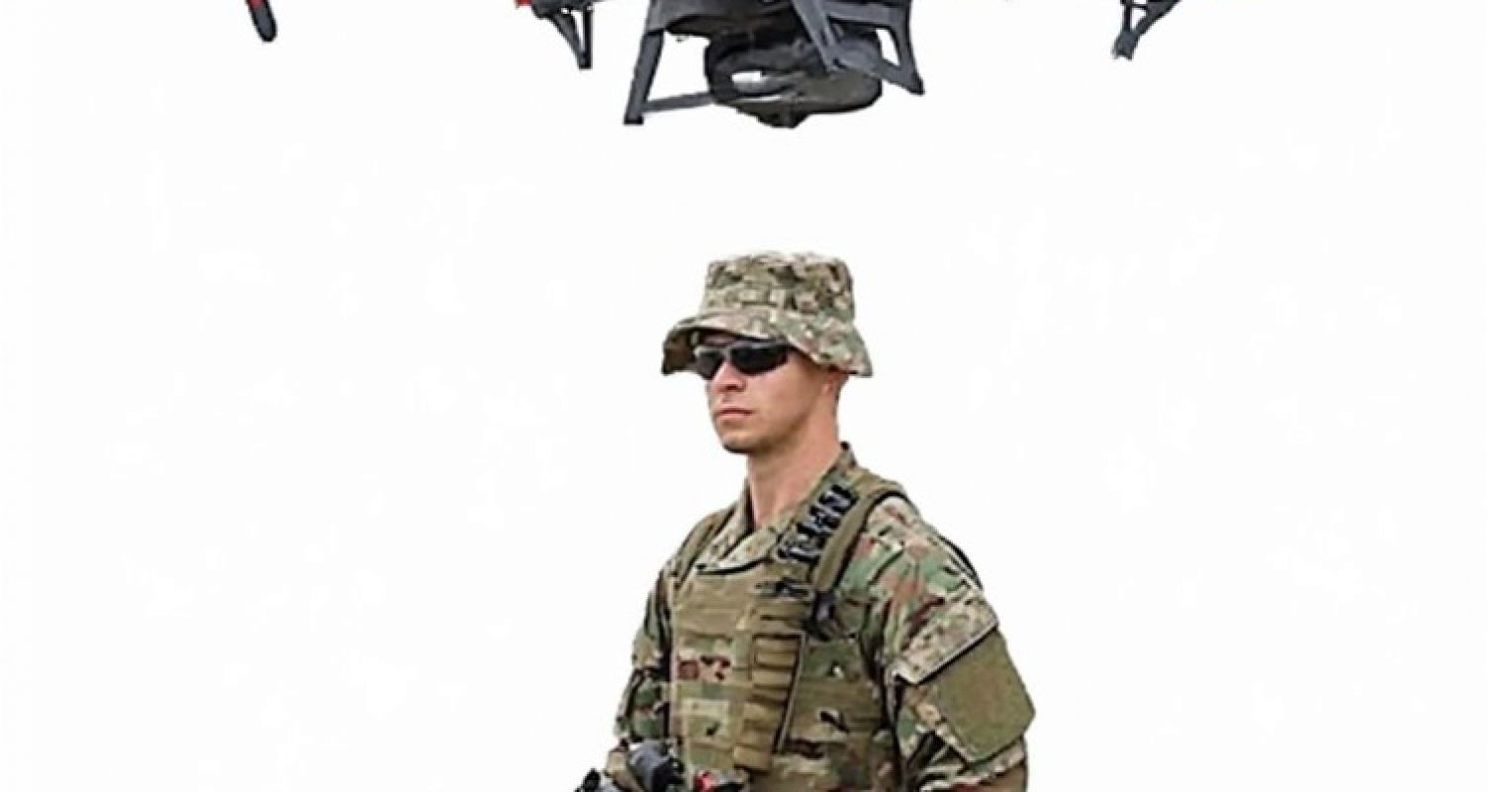
Gen. Dan Caine stated that autonomous weapons are going to be a 'key and essential part of everything we do' in future warfare, indicating a significant shift in military strategy.
Artificial intelligence

fromwww.nytimes.com
2 months agoOpinion | If A.I. Is a Weapon, Who Should Control It?
The current collision between the Department of Defense and Anthropic over whether Anthropic's A.I. models should be bound by ethical constraints or made available for all uses the Pentagon might have in mind raises significant concerns about the future of AI governance.
Right-wing politics
#ai-ethics

Artificial intelligence
fromTechCrunch
1 month agoThe biggest AI stories of the year (so far) | TechCrunch
Anthropic refused Pentagon demands to remove restrictions on military use of its AI, maintaining ethical boundaries against autonomous weapons and mass surveillance despite government pressure.
Artificial intelligence
fromFast Company
1 month ago'This was about principle, not people'-OpenAI's robotics hardware lead resigns
OpenAI employee Caitlin Kalinowski resigned over ethical concerns regarding OpenAI's Pentagon deal involving surveillance and autonomous weapons, while Anthropic refused similar demands and gained industry support.
Artificial intelligence
fromFast Company
1 month ago'This was about principle, not people'-OpenAI's robotics hardware lead resigns
OpenAI employee Caitlin Kalinowski resigned over ethical concerns regarding OpenAI's Pentagon deal involving surveillance and autonomous weapons, while Anthropic refused similar demands and gained industry support.
#ai-regulation


Intellectual property law
fromwww.aljazeera.com
1 month agoTrump administration defends Anthropic blacklisting in US court
The Trump administration defended the Pentagon's blacklisting of Anthropic as a lawful national security measure after the AI company refused to remove guardrails on its technology.
Artificial intelligence
fromFast Company
1 month agoAI is being used in war, but it can't replace human judgment. Here's why
The U.S. military uses AI systems like Claude and Palantir's Maven for real-time targeting, but success depends on decades of infrastructure investment, skilled personnel, and human decision-making rather than autonomous machines.
Intellectual property law
fromNextgov.com
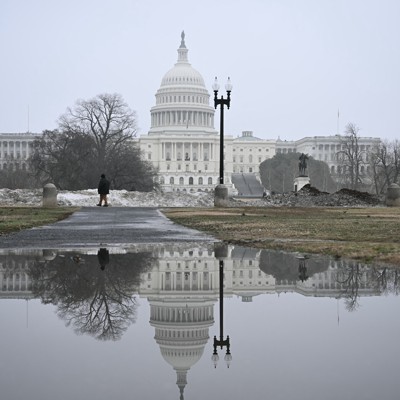
1 month agoAnthropic sues over a dozen federal agencies and government leaders
Anthropic sued federal agencies and leaders for allegedly retaliating against the company for refusing to modify Claude's terms of use for Department of Defense surveillance and autonomous weapons applications.
#ai-safety

Artificial intelligence
fromBusiness Insider
1 month agoHere's what current and former OpenAI employees are saying about the company's Pentagon deal
OpenAI signed a Department of Defense agreement with safety guardrails, while Anthropic rejected similar government terms over concerns about mass surveillance and autonomous weapons deployment.

Artificial intelligence
fromBusiness Insider
1 month agoHere's what current and former OpenAI employees are saying about the company's Pentagon deal
OpenAI signed a Department of Defense agreement with safety guardrails, while Anthropic rejected similar government terms over concerns about mass surveillance and autonomous weapons deployment.
#ai-military-contracts



Artificial intelligence
fromFortune
2 months agoAmid growing backlash, OpenAI CEO Sam Altman explains why he cut a deal with the Pentagon following Anthropic blacklisting | Fortune
OpenAI agreed to a Pentagon deal for classified military networks while Anthropic refused similar terms, triggering employee backlash and public criticism over AI use in surveillance and autonomous weapons.
Artificial intelligence
fromwww.mercurynews.com
1 month agoExplosive Silicon Valley dispute raises questions over AI giants' willingness to help track Americans and fuel robot warfare
Anthropic rejected a Pentagon contract over autonomous warfare and surveillance concerns, while OpenAI accepted a deal, highlighting competitive pressures in AI companies to prioritize military contracts over safety and privacy safeguards.
Artificial intelligence
fromFortune
2 months agoAmid growing backlash, OpenAI CEO Sam Altman explains why he cut a deal with the Pentagon following Anthropic blacklisting | Fortune
OpenAI agreed to a Pentagon deal for classified military networks while Anthropic refused similar terms, triggering employee backlash and public criticism over AI use in surveillance and autonomous weapons.
#pentagon-contract


Artificial intelligence
fromTechCrunch
1 month agoNo one has a good plan for how AI companies should work with the government | TechCrunch
OpenAI accepted a Pentagon contract that Anthropic rejected over concerns about mass surveillance and automated killing, revealing the company's unpreparedness for national security responsibilities.
#ai-governance
Artificial intelligence
fromTechCrunch
1 month agoIt's official: The Pentagon has labeled Anthropic a supply chain risk | TechCrunch
The Department of Defense designated Anthropic a supply chain risk after the company refused to allow military use of its AI for mass surveillance and autonomous weapons.
Artificial intelligence
fromFast Company
1 month agoOpenAI's Pentagon deal once again calls Sam Altman's credibility into question
Sam Altman publicly supported Anthropic's Pentagon dispute while simultaneously negotiating to replace Anthropic as the Pentagon's AI supplier, raising questions about conflicting interests and the credibility of OpenAI's safety commitments.
Artificial intelligence
fromComputerworld
2 months agoOpenAI says its US defense deal is safer than Anthropic's, but is it?
OpenAI secured a US DoD contract with stated AI guardrails, but legal experts question enforceability since the agreement permits 'all lawful use' beyond three specific restrictions.
Artificial intelligence
fromTheregister
2 months agoOpenA says Pentagon set 'scary precedent' binning Anthropic
OpenAI signed a deal with the Department of War allowing classified AI use while maintaining three ethical red lines: no mass surveillance, no autonomous weapons direction, and no high-stakes automated decisions.
Artificial intelligence
fromTechCrunch
1 month agoIt's official: The Pentagon has labeled Anthropic a supply chain risk | TechCrunch
The Department of Defense designated Anthropic a supply chain risk after the company refused to allow military use of its AI for mass surveillance and autonomous weapons.
Artificial intelligence
fromFast Company
1 month agoOpenAI's Pentagon deal once again calls Sam Altman's credibility into question
Sam Altman publicly supported Anthropic's Pentagon dispute while simultaneously negotiating to replace Anthropic as the Pentagon's AI supplier, raising questions about conflicting interests and the credibility of OpenAI's safety commitments.
Artificial intelligence
fromComputerworld
2 months agoOpenAI says its US defense deal is safer than Anthropic's, but is it?
OpenAI secured a US DoD contract with stated AI guardrails, but legal experts question enforceability since the agreement permits 'all lawful use' beyond three specific restrictions.
Artificial intelligence
fromTheregister
2 months agoOpenA says Pentagon set 'scary precedent' binning Anthropic
OpenAI signed a deal with the Department of War allowing classified AI use while maintaining three ethical red lines: no mass surveillance, no autonomous weapons direction, and no high-stakes automated decisions.
Russo-Ukrainian War
fromSilicon Canals
1 month agoRobot wars are already happening: how Ukraine's kill zone economics are reshaping global warfare - Silicon Canals
Ukraine's K2 brigade deploys armed uncrewed ground vehicles armed with machine guns, grenade launchers, and explosive payloads due to expanded kill zones and soldier attrition pressures.
fromThe Atlantic
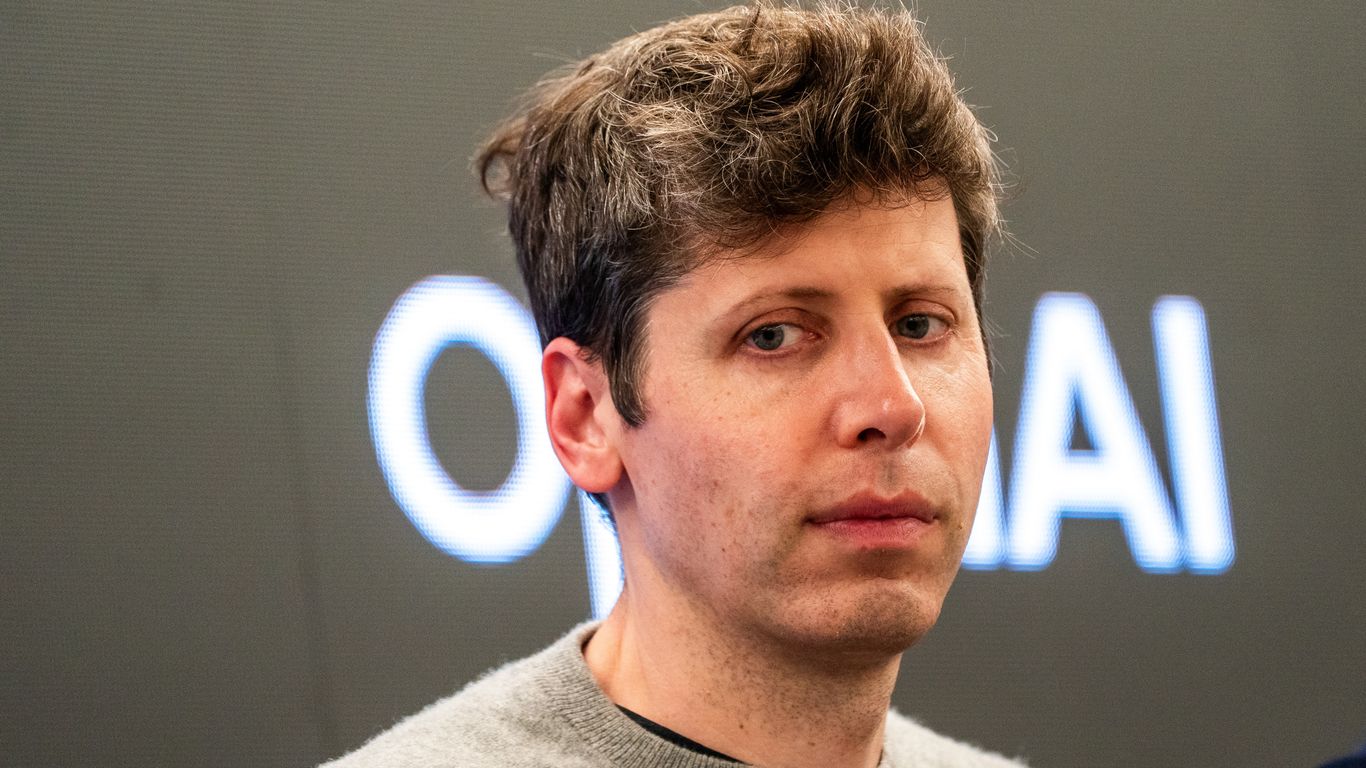
1 month agoOpenAI Is Opening the Door to Government Spying
In a widely leaked internal memo that Sam Altman sent last Thursday night, a copy of which I obtained, the OpenAI CEO said that he would seek "red lines" to prevent the Pentagon from using OpenAI products for mass domestic surveillance and autonomous lethal weapons. These were ostensibly the very same limits that Anthropic had demanded and that had infuriated the Pentagon, leading Defense Secretary Pete Hegseth to declare the company a supply-chain risk.
US politics
Artificial intelligence
fromTechCrunch
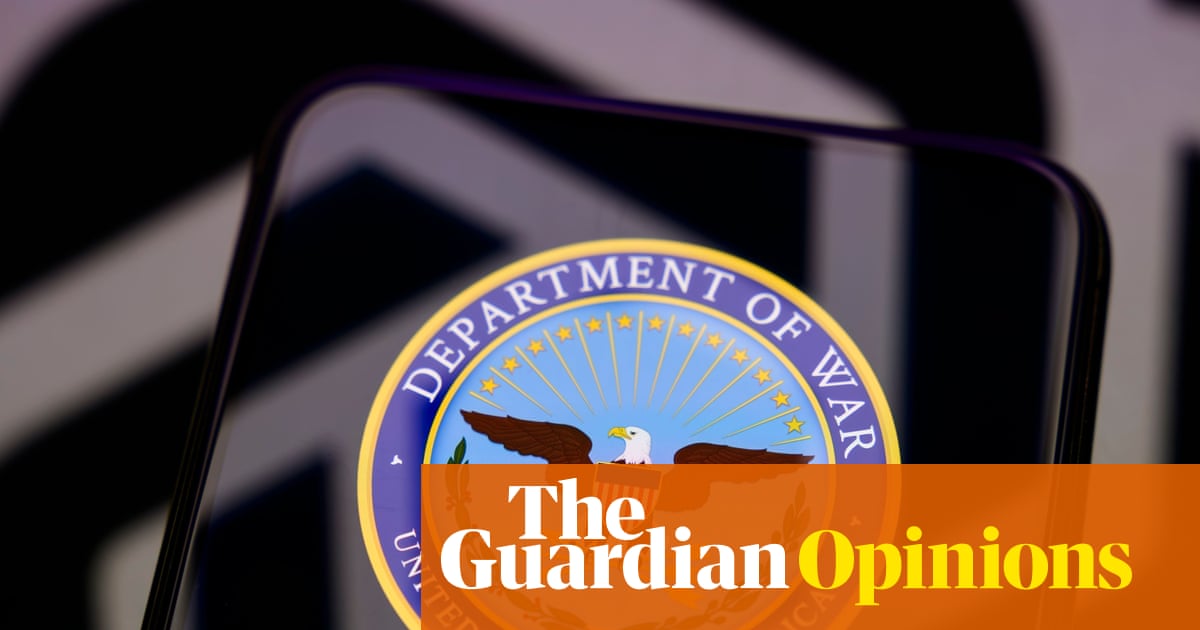
1 month agoAnthropic's Pentagon deal is a cautionary tale for startups chasing federal contracts | TechCrunch
The Pentagon designated Anthropic a supply-chain risk after disagreeing over military AI control, leading to a failed $200 million contract and DoD's pivot to OpenAI.


Artificial intelligence
fromSilicon Canals
1 month agoAnthropic refused a $200M Pentagon weapons contract - now startups are racing to build what it wouldn't - Silicon Canals
As major AI labs refuse military contracts, specialized defense startups are filling the gap to build autonomous weapons systems with minimal oversight or accountability constraints.

#ai-policy
Artificial intelligence
fromThe Atlantic
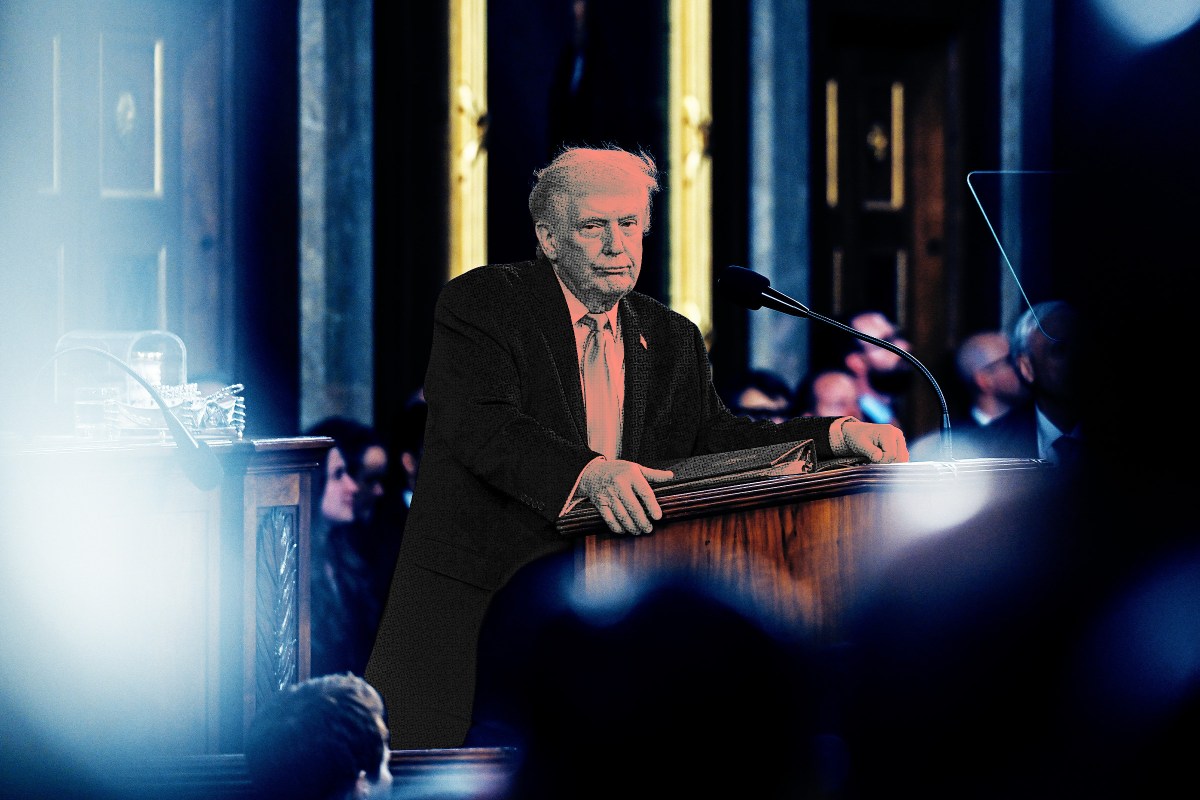
1 month agoTrump's Former AI Adviser Is Furious
The Pentagon designated AI firm Anthropic a supply-chain risk after failed negotiations over AI weapons and surveillance concerns, potentially destroying the company by blocking its access to government contractors.
Intellectual property law
fromsfist.com
2 months agoOpenAI Makes Deal With Pentagon, Including Safeguards Anthropic Requested Before Ban
OpenAI secured a $200 million Pentagon contract with safety restrictions on autonomous weapons and mass surveillance, after Trump rejected Anthropic for demanding identical safeguards.



Artificial intelligence
fromThe Atlantic
1 month agoTrump's Former AI Adviser Is Furious
The Pentagon designated AI firm Anthropic a supply-chain risk after failed negotiations over AI weapons and surveillance concerns, potentially destroying the company by blocking its access to government contractors.
Intellectual property law
fromsfist.com
2 months agoOpenAI Makes Deal With Pentagon, Including Safeguards Anthropic Requested Before Ban
OpenAI secured a $200 million Pentagon contract with safety restrictions on autonomous weapons and mass surveillance, after Trump rejected Anthropic for demanding identical safeguards.
Artificial intelligence
fromwww.theguardian.com
1 month agoTrump is using AI to fight his wars this is a dangerous turning point | Chris Stokel-Walker
AI militarization poses significant risks, with recent reports showing AI tools used in military operations affecting regime change and causing casualties in Venezuela and Iran.
Artificial intelligence
fromTechCrunch
2 months agoOpenAI shares more details about its agreement with the Pentagon | TechCrunch
OpenAI secured a Department of Defense deal for classified AI deployment after Anthropic's negotiations failed, citing multi-layered safety safeguards including retained discretion over safety systems and cleared personnel oversight.
Artificial intelligence
fromBusiness Insider
2 months ago5 big takeaways from Sam Altman's Saturday night AMA on OpenAI's Pentagon deal
OpenAI finalized a Pentagon deal to deploy AI models after Anthropic refused similar terms, with CEO Sam Altman acknowledging the rushed process and poor optics while hoping it de-escalates industry tensions.
fromComputerworld
2 months agoAnthropic to Department of Defense: Drop dead
Hegseth summoned Amodei and demanded that Anthropic AI be used any way he wants or said he'd cancel the company's existing $200 million contract and blacklist them from any further AI pacts. Hegseth gave Anthropic until 5 p.m. yesterday to bend the knee. Amodel didn't bend.
Artificial intelligence
fromwww.aljazeera.com
2 months agoOpenAI strikes deal with Pentagon to use tech in classified network'
Altman said the Pentagon agreed with his company's principles that OpenAI's technology would not be used for domestic mass surveillance or for autonomous weapon systems, affirming that humans would take responsibility for the use of force.
Artificial intelligence

[ Load more ]