World politics
fromwww.dw.com
1 hour agoSpain, Brazil, Mexico vow to boost Cuba aid amid US threats
Spain, Brazil, and Mexico are increasing aid to Cuba, citing a humanitarian crisis caused by the US blockade.
Moody's Ratings has slashed India's economic growth projections for the current fiscal to 6%, from 6.8% earlier. The credit ratings agency said the US-Israeli war against Iran and its impact on the global energy market will weigh on India's growth momentum and heighten inflation risks.
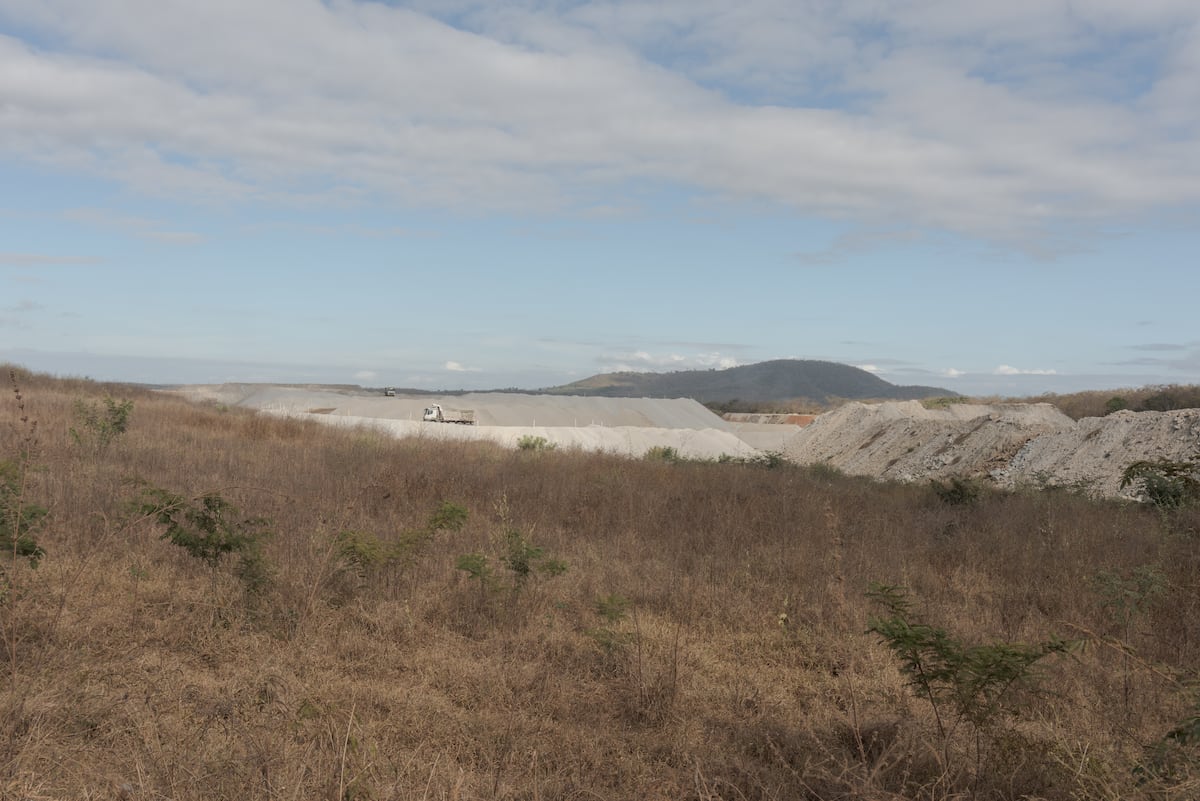
You walk down the street and you have people with English shirts, with Australian shirts, people with Test match names and numbers on their white polos. You walk around Pocos de Caldas, you feel like you're in a foreign country with how much cricket stuff is walking around.
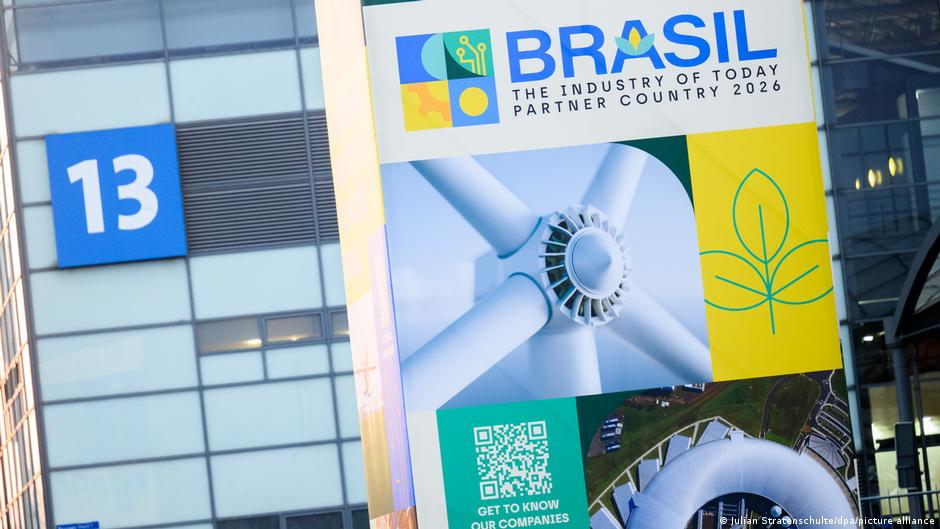
The European Union will on Saturday sign a deal 25 years in the making with the South American trade bloc Mercosur, creating one of the world's largest free trade areas at a time of growing protectionism and volatility. The long-awaited agreement comes amid the sweeping use of tariffs and trade threats by US President Donald Trump's administration, which has sent countries scrambling for new partnerships.
India and Finland, both, believe in the rule of law, dialogue and diplomacy. We are in agreement that no issue can be resolved through military conflict alone. Be it Ukraine or West Asia, we will continue to support the swift end of conflicts and every effort towards peace.
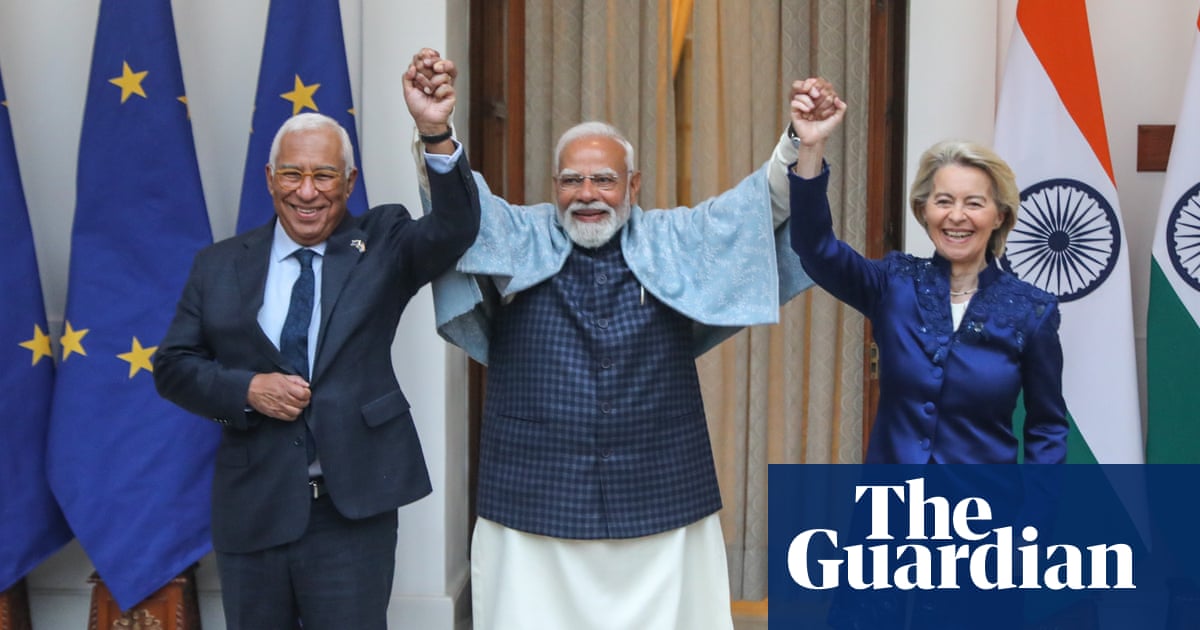
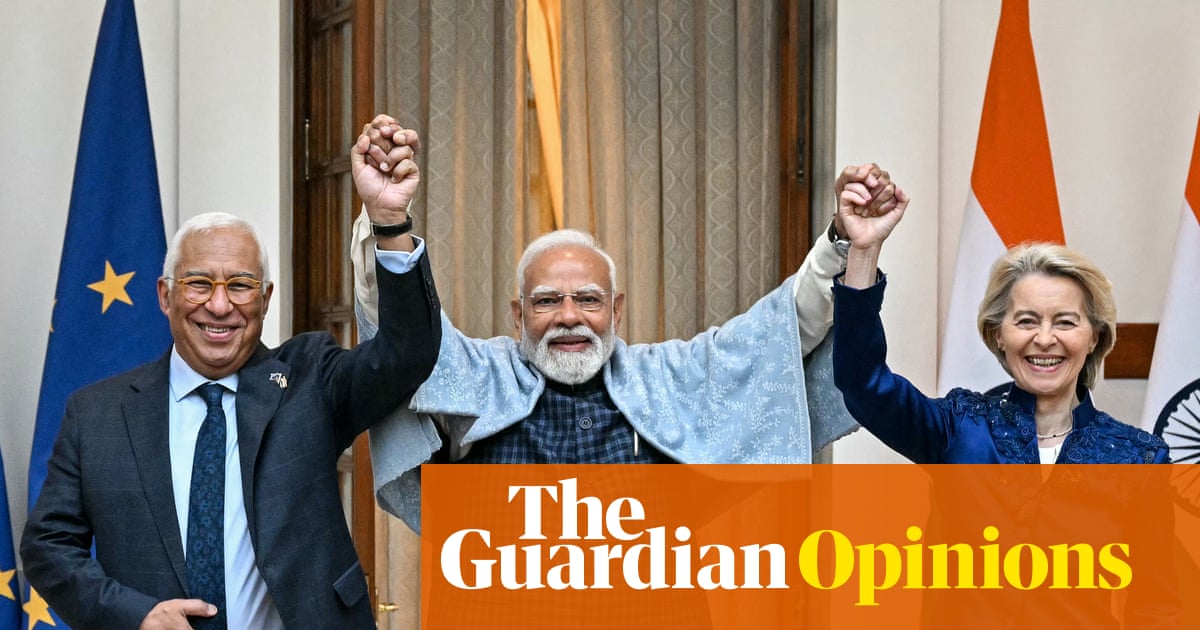
After nearly two decades of negotiations, India and the European Union announced Tuesday they have reached a free trade agreement to deepen economic and strategic ties. The accord, which the EU chief described as the "mother of all deals," could affect as many as 2 billion people. The deal between two of the world's biggest markets comes as Washington targets both India and the EU with steep import tariffs, disrupting established trade flows and pushing major economies to seek alternate partnerships.
The deal would forge a market of two billion people and nearly a quarter of global GDP, according to the European Commission. Follow DW for more. EU and India conclude trade negotiations after nearly two decades of on-off negotiationsImage: Altaf Hussain/REUTERS Skip next section What you need to know EU and India have finalized a trade deal after nearly two decades of negotiations
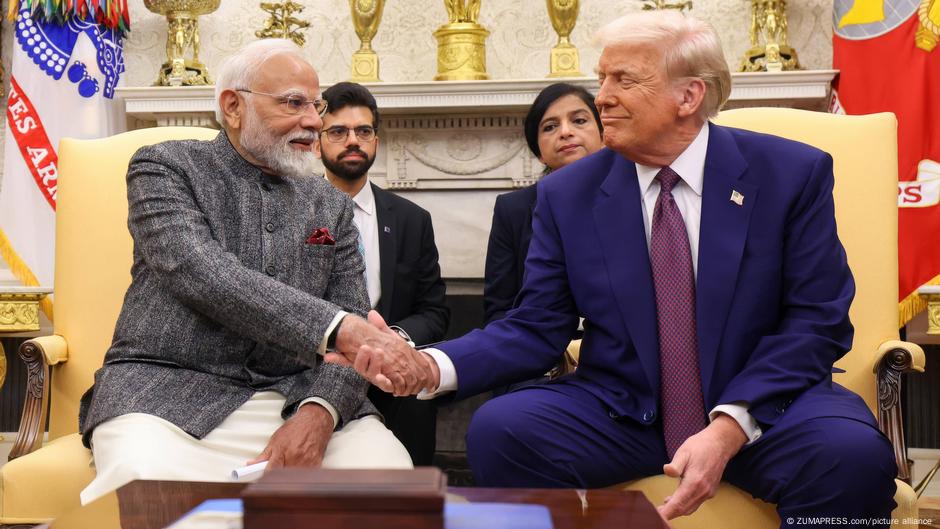
Indian Prime Minister Narendra Modi's government has unveiled its annual budget, aiming for steady growth in an uncertain global economy rocked by recent tariff wars. Finance Minister Nirmala Sitharaman presented the budget for the 2026-2027 financial year in Parliament on Sunday, prioritising infrastructure and domestic manufacturing, with a total expenditure estimated at $583bn. India's economy has so far weathered punitive tariffs of 50 percent imposed by United States President Donald Trump over New Delhi's imports of Russian oil.
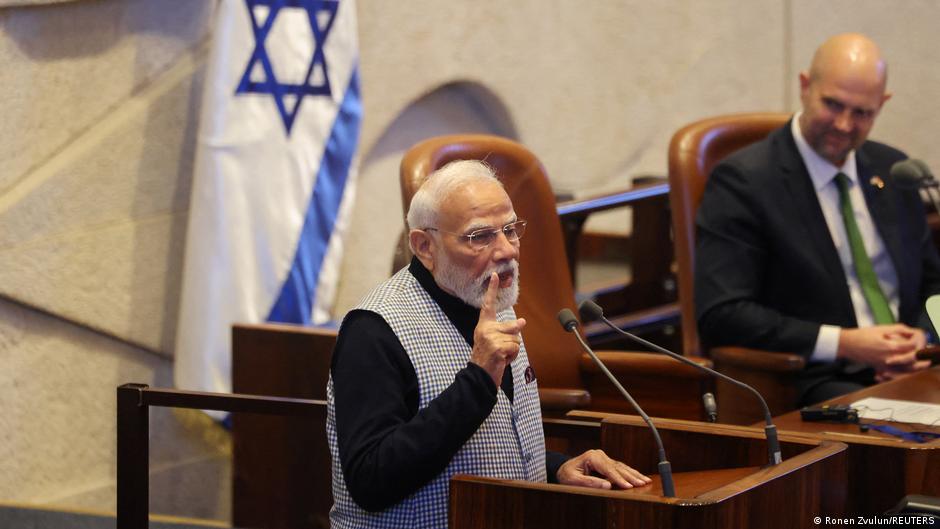
From Mahatma Gandhi's support for Palestine to Modi's Netanyahu embrace, we trace how India's ties have evolved over the decades. Indian Prime Minister Narendra Modi is scheduled to begin his two-day visit to Israel on February 25, nine years after his first trip to the country. His 2017 trip was the first ever by an Indian prime minister to Israel.
Jim O'Neill, the economist who coined the term BRIC' 25 years ago, argues that the group is losing its relevance. At its peak, the BRICS coalition of economies Brazil, Russia, India, China and South Africa was seen as a serious attempt to move away from the United States dollar and the domination of Western economic institutions like the World Bank, Group of Seven (G7), and International Monetary Fund (IMF).
We choose fair trade over tariffs, we choose a productive long-term partnership over isolation, EU chief Ursula Von der Leyen said at the signing ceremony in Paraguay's capital, Asuncion. Paraguay's President Santiago Pena also praised the treaty as sending a clear signal in favour of international trade in a global scenario marked by tensions. Brazilian Foreign Minister Mauro Vieira said it was a bulwark in the face of a world battered by unpredictability, protectionism, and coercion.