#chromeos-android
#chromeos-android
[ follow ]
#pixel-10a #android-17 #android #android-16 #developer-verification #aluminium-os #camera-design #software-updates





fromThe Verge
3 weeks agoGoogle Chrome is coming to Arm-powered Linux devices later this year
Google says it's finally bringing Chrome to ARM64 Linux machines in Q2 2026, following Chrome for Arm Macs in 2020 and Chrome for Windows on Arm in 2024. The move addresses the growing demand for a browsing experience that combines the benefits of the open-source Chromium project with the Google ecosystem of apps and features.
Tech industry



Information security
fromZDNET
3 weeks agoThis security flaw could affect 1 in 4 Android phones - how to check yours
A hardware flaw in MediaTek chips used in approximately 25% of Android phones allows attackers to access sensitive data including crypto wallet seed phrases within minutes via USB connection.
#android-sideloading

Privacy technologies
fromEngadget
2 weeks agoAndroid will hide app sideloading behind a new one-time security process
Google implements a multi-step verification process for sideloading unverified apps on Android, while offering free limited distribution accounts for hobbyist developers to share apps with up to 20 devices.
Privacy technologies
fromTechCrunch
2 weeks agoGoogle introduces a new way for users to sideload Android apps that still protects against scams | TechCrunch
Google introduces an 'advanced flow' setting allowing Android users to disable app verification requirements and sideload unverified apps while maintaining some anti-scam protections.
Wearables
fromZDNET
1 month agoThe March Pixel Drop just landed with 8 big upgrades for your Android device - what's new
The March Pixel Drop introduces location-sharing features for Android users, including real-time location in Messages, luggage tracking with airlines, and new customization options across devices.
Mobile UX
fromYanko Design - Modern Industrial Design News
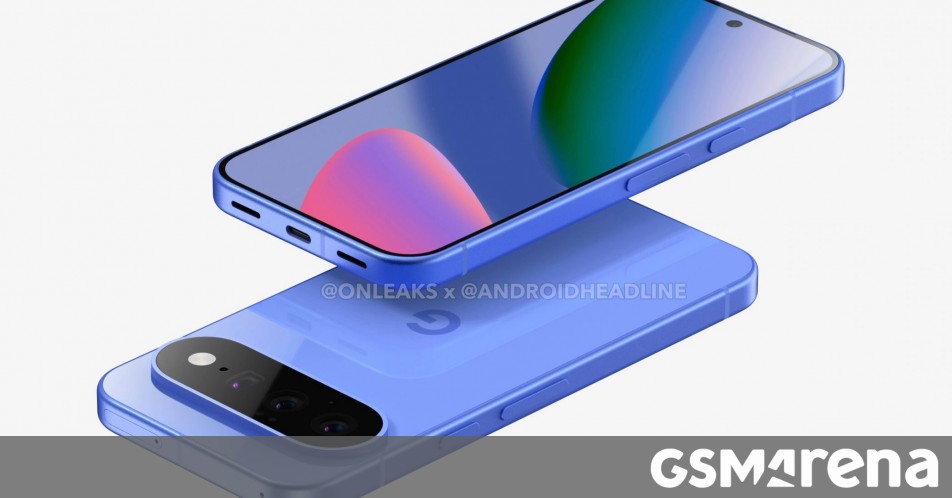
5 days agoGoogle Pixel 11 Renders Suggest Its Cleanest Design Before a Redesign - Yanko Design
Smartphone design is converging towards minimalism, while Google's Pixel lineup maintains a distinctive horizontal camera bar, refining its identity with the Pixel 11.
Information security
fromSecurityWeek
1 month agoAndroid Update Patches Exploited Qualcomm Zero-Day
Google released Android security updates patching nearly 130 vulnerabilities, including an exploited zero-day in Qualcomm chipsets affecting over 200 devices through integer overflow in graphics components.
#android-17
Mobile UX
fromTechRepublic
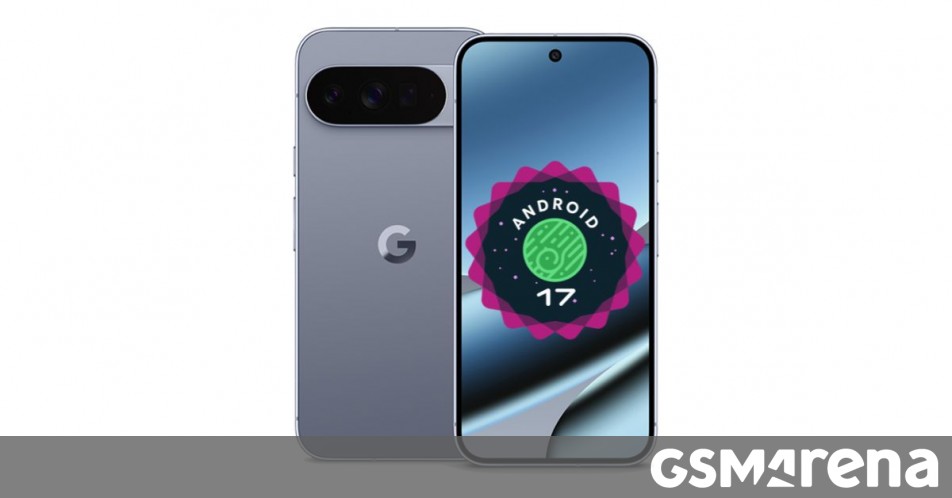
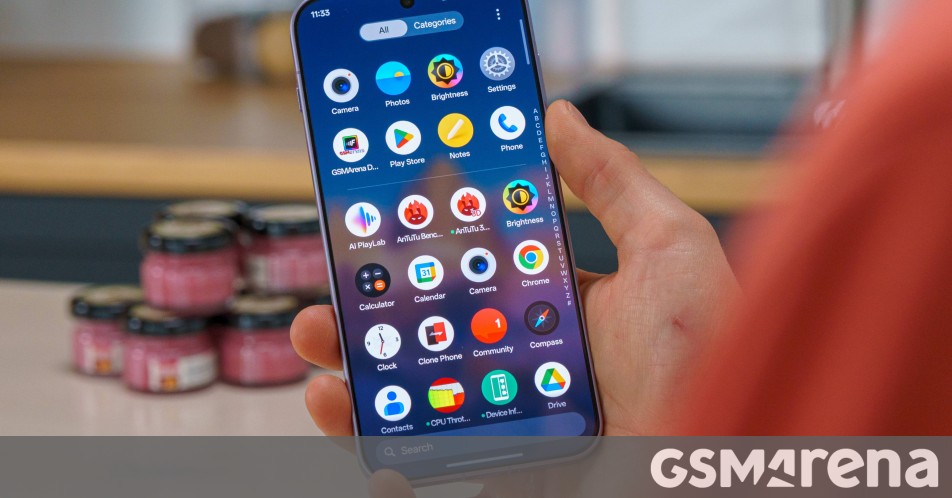
2 weeks agoAndroid 17 Leaks Reveal Major Redesign, AI Features, and Privacy Upgrades
Android 17 is undergoing significant development with a major visual overhaul, expanded Material 3 design system, and frosted glass interface effects expected in the stable release around June 2026.


Privacy technologies
fromArs Technica
1 month agoWith developer verification, Google's Apple envy threatens to dismantle Android's open legacy
Google is implementing Android developer verification requiring app makers to register with real names and pay fees, restricting sideloading and moving Android toward Apple's closed ecosystem model.
#google-pixel-10a

Mobile UX
fromGSMArena.com
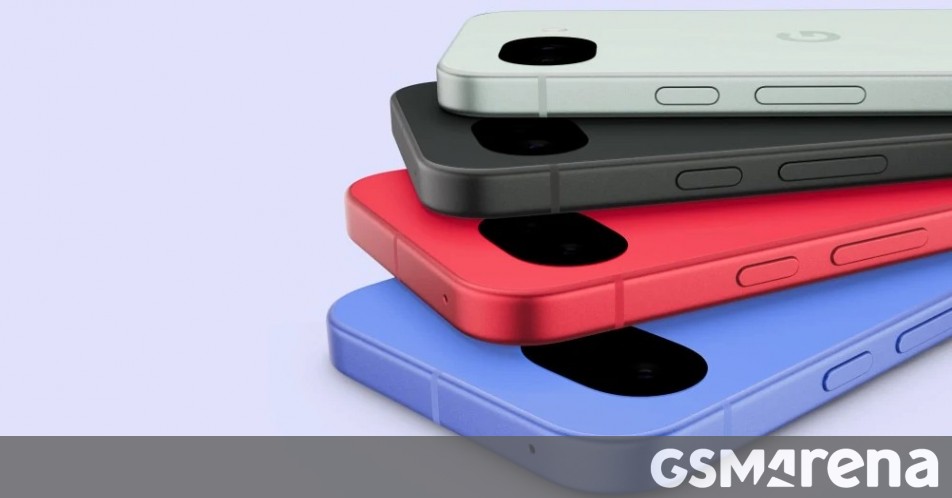
3 weeks agoGoogle Pixel 10a in for review
The Google Pixel 10a generates significant consumer interest despite minimal changes from its predecessor, featuring modest upgrades like a brighter display, faster charging, and Satellite SOS support while maintaining the same processor, battery, and camera system.
Mobile UX
fromGSMArena.com
3 weeks agoGoogle Pixel 10a in for review
The Google Pixel 10a generates significant consumer interest despite minimal changes from its predecessor, featuring modest upgrades like a brighter display, faster charging, and Satellite SOS support while maintaining the same processor, battery, and camera system.
fromTechRepublic
1 month agoMotorola Plans GrapheneOS-Compatible Devices as Early as 2027
Motorola is introducing a new era of smartphone security through a long‑term partnership with the GrapheneOS Foundation, the leading nonprofit in advanced mobile security and creators of a hardened, operating system based on the Android Open Source Project. Together, Motorola and the GrapheneOS Foundation will work to strengthen smartphone security and collaborate on future devices engineered with GrapheneOS compatibility.
Privacy technologies
fromTechRepublic
2 months agoThe Wait Is Over: Chromebooks Finally Get Gemini in Chrome
Chrome leads the market today, but Google is still under pressure to defend that position as the browser landscape shifts. New AI-focused browsers like Comet are raising the stakes for what users expect from a browser. Google responded to the competition with Gemini in Chrome. Launched in September 2025, it first rolled out for Android, Mac, and Windows users. Combining Chrome's superiority and Gemini's advanced intelligence, Google offered Chrome users a different kind of AI browser.
Artificial intelligence
Gadgets
fromYanko Design - Modern Industrial Design News
2 months agoThis Phone Runs Android, Linux, and Windows to Replace 3 Computers - Yanko Design
NexPhone is a rugged, high-spec Android handset that can multi-boot Android, Debian Linux, and optionally Windows 11 on Arm to serve as phone and desktop.
fromThe Verge
2 months agoWindows 11's ability to resume Android apps on your PC is getting closer
The improved cross-device resume support, which has been in testing since August, is part of the latest Release Preview update to Windows 11 that started rolling out yesterday. It includes the ability to resume Spotify playback on a PC from a phone, as well as any work in Word, Excel, and PowerPoint. You'll also be able to continue an Edge browsing session from a phone on your PC.
Gadgets
[ Load more ]