#chuquimamani-condori
#chuquimamani-condori
[ follow ]
US politics
fromHigh Country News
2 days agoThe public got one week to comment on Chaco Canyon drilling. It's almost over - High Country News
The Trump administration is criticized for rushing the reversal of a federal ban on drilling near Chaco Culture National Historical Park with limited public comment.
Environment
fromwww.theguardian.com
2 days agoIf they pollute our rivers, what will become of us?': the town divided between hope and fear in Brazil's Amazon oil rush
Oiapoque, Brazil, is poised for development through oil production, raising concerns about environmental impacts and Indigenous rights amid a global energy transition.
East Bay real estate
fromwww.berkeleyside.org
2 weeks agoHow an Ohlone nonprofit quickly became one of the wealthiest Indigenous land trusts in the nation
Sogorea Te' Land Trust is removing 80+ years of asphalt from a Fourth Street parking lot to restore it as an Indigenous-controlled green space honoring Ohlone history and culture.
fromNew York Post
2 weeks agoCalifornia plots return of 7.5 million acres of land and coastal waters to Indigenous tribes
When California became a state in 1850, officials signed 18 treaties setting aside millions of acres for tribal reservations. Congress killed the deals in secret after pressure from state leaders. Many tribes had already moved, trusting the promises. Now California wants to make good.
SF politics
Social justice
fromdesignboom | architecture & design magazine
1 week ago'we have to respect history': freddy mamani on constructing utopia through radical repair
Freddy Mamani's architecture integrates indigenous heritage and modernity, reshaping El Alto's skyline into a vibrant expression of cultural identity.
fromwww.theguardian.com
3 weeks agoKast is more like Trump': Chile's environmentalists prepare to do battle for the country's future
The highlands are the sustenance of life, and all that water comes down from the mountains to the valleys, such as Azapa and Lluta and to the coast. The city of Arica is on the coast. So, we have a very serious problem. We will not have water—not for agriculture, not for livestock, not for tourism.
Miscellaneous
Agriculture
fromLos Angeles Times
2 weeks agoCalifornia pledges to open 7% of its land and waters to Indigenous tribes - a step toward healing a 175-year-old broken promise
California commits 7.5 million acres to tribal stewardship, fulfilling a 170-year-old federal promise while restoring indigenous land management practices and ecosystem health.
Environment
fromwww.aljazeera.com
2 weeks agoChile's President Kast tosses out dozens of environmental protections
Chile's new President Jose Antonio Kast suspended 43 environmental regulations covering emissions, pollution, and national parks to prioritize economic growth and job creation over environmental protections.
fromwww.archdaily.com
3 weeks agoRural Housing and Lodging Dormis Donata / Taller MACAA (Mision de Arquitectura, Construccion y Arte en los Andes)
The Dormis Donata form the connecting axis of KUSKA, a rural complex located at 3,100 meters above sea level in the agricultural landscape of the Sacred Valley of the Incas. Nestled between mountains and terraces, they offer a context in which architecture engages in dialogue with memory, topography, and the cyclical rhythms of the environment.
SOMA, SF
Travel
fromTravel + Leisure
3 weeks agoThis Butterfly Reserve In Mexico Preserves an Important Species-and Indigenous Culture
Eastern Monarch butterflies migrate 3,000 miles annually to Mexico's UNESCO reserve, where tourism supports local communities and forest conservation against illegal logging and deforestation.
Renovation
fromYanko Design - Modern Industrial Design News
4 weeks agoA House In Ecuador That Climbs the Land Instead of Changing It - Yanko Design
La Miradora in Ecuador's highlands uses natural terrain to shape its design, with wooden ribs as the primary structural system that adapts to the slope while providing shelter and framing views.
Madrid food
fromenglish.elpais.com
3 weeks agoVenezuelans in Chile rally around Maria Corina Machado
Maria Corina Machado gathered 17,000 Venezuelan expatriates in Santiago, Chile for the largest demonstration since her December departure from Venezuela, coinciding with worker protests in Caracas demanding dignity and freedom.
History
fromArs Technica
3 weeks agoCenturies before the Inca, Peru's wealthy imported parrots from afar
The Ychsma kingdom maintained a sophisticated long-distance trade network spanning hundreds of kilometers across the Andes to import live parrots from the Amazon rainforest centuries before the Inca Empire.
Women in technology
fromenglish.elpais.com
4 weeks ago3. Colombia: Mothers for Peace
Carmen Elena, a Colombian woman displaced by violence that killed her husband and brother, lost her project to create a safe village for mothers protecting children from armed group recruitment after USAID withdrew funding.
fromThe Art Newspaper - International art news and events
3 weeks agoTomas Saraceno and Indigenous communities build art complex in Argentine salt flats
We don't eat batteries. They take away the water; they take away life. This pronouncement, in Spanish, appears in a photograph that the artist Tomás Saraceno sent via WhatsApp last month from Salinas Grandes, a high-altitude salt flat in northern Argentina. There, in one of the world's largest lithium reserves, the artist is working alongside 11 Indigenous communities to build El Santuario del Agua (The Water Sanctuary), a monumental work about the global energy transition.
SOMA, SF
Social justice
fromOregon ArtsWatch * Arts & Culture News
3 weeks agoTribal sovereignty and civil rights focus of free 250th anniversary discussion on March 19 * Oregon ArtsWatch
Native Americans faced centuries of voting suppression, and current voter restriction proposals echo historical methods that disenfranchised tribal communities.

fromTruthout
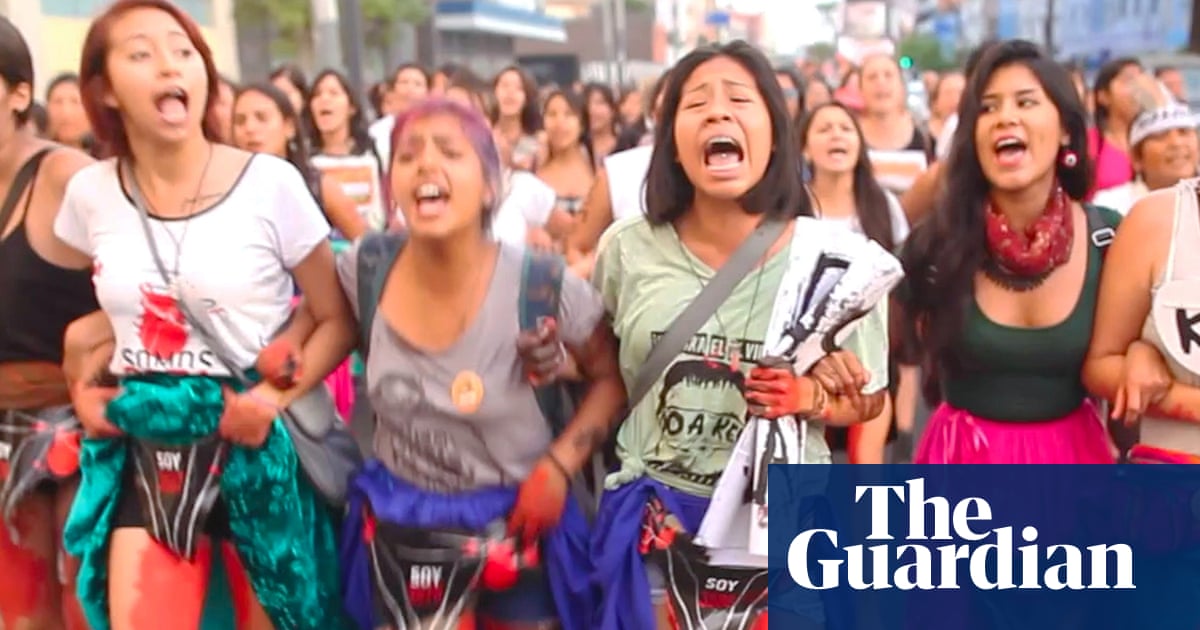
3 weeks agoEcuador Is Suspending the Bank Accounts of Environmental Activists
Financial strangulation, as he put it, is the latest weapon in the government's escalating effort to clear the way for expanded mining and oil development in one of the world's most biodiverse countries. Months earlier, officials had temporarily frozen the accounts of several of Ecuador's most prominent environmental defenders, including Tapia, citing investigations into unjust private enrichment and financing terrorism.
Social justice
History
fromHigh Country News
3 weeks agoHow Montana tribes are using sovereignty to restore their waterways - High Country News
The 2015 CSKT-Montana Compact Water Rights settlement restores tribal water rights from the 1855 Hellgate Treaty while enabling river restoration and shared management of the Jocko River watershed.
fromenglish.elpais.com
1 month agoBolivia wants to bury the ghost of Che Guevara
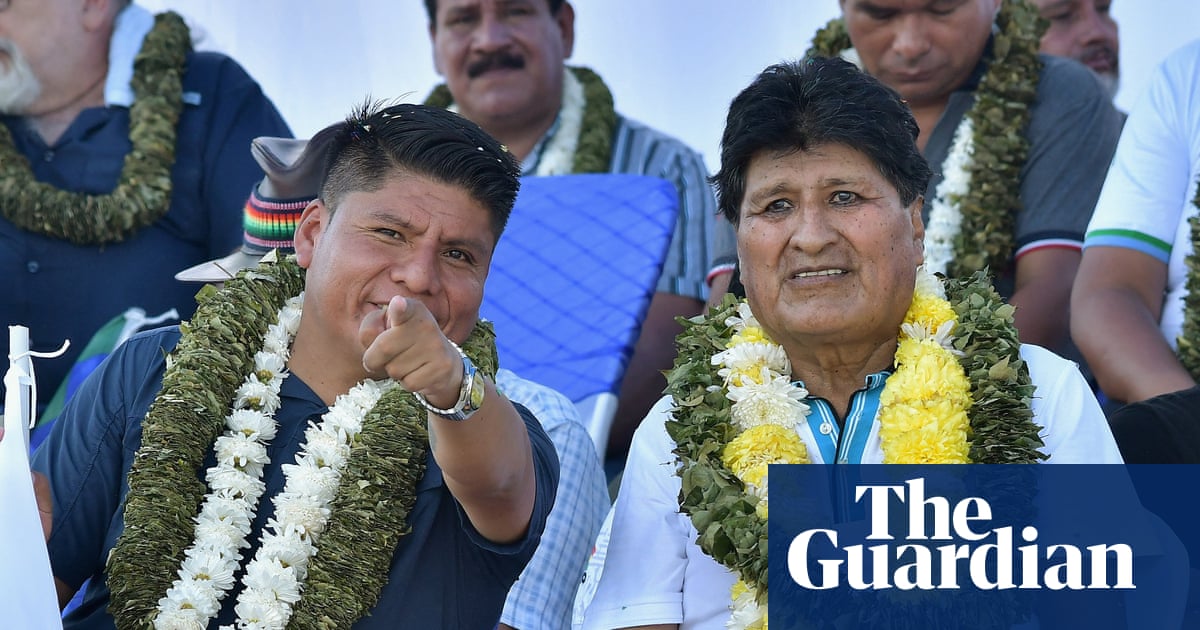
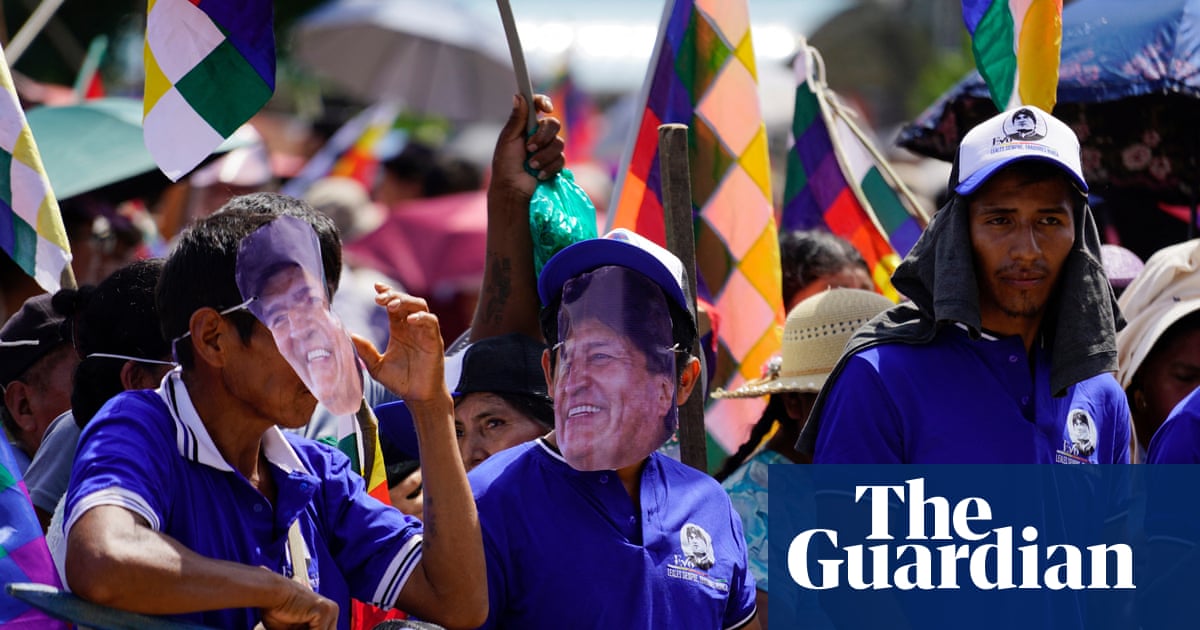
This is not a simple administrative issue, but a renewed attempt by the center-right government of Rodrigo Paz to sweep aside the memory of the world's most famous guerrilla fighter, who was assassinated in the Bolivian village of La Higuera in 1967. Since Bolivia's Movement Towards Socialism (MAS) lost power to the new government last year, several attempts have been made to rid the country of Guevara's legacy.
Madrid food
Social justice
fromwww.aljazeera.com
3 weeks agoIndia releases Ladakh activist Sonam Wangchuk after six months in jail
India released prominent Ladakh activist Sonam Wangchuk after six months of preventive detention under the National Security Act, following his protests demanding statehood or constitutional protections for the region.
fromwww.theguardian.com
1 month agoRiding the wave: can surf tourism save Peru's ancient reed-boat fishing culture?
Archaeologists estimate that fishers in Peru have been using the reed boats for approximately 3,500 years. Elaborate ceramics dating back to the sophisticated Moche culture (AD100-800) and the later Chimu civilisation (900-1470), depict figures astride the craft, which was called a tup in the now-extinct Mochica language. They are believed to be among the first crafts to be used for riding waves, possibly predating Polynesian proto-surfing in Hawaii.
Food & drink
fromEast Bay Express | Oakland, Berkeley & Alameda
1 month agoAnahuac rises on Solano
She has her own house now, the whole American Dream, and it's just crazy from where she came from. Cooking has always been her passion, and it's just super nice to see where she's at now. When her parents went to work, she would always cook for everybody at home in Mexico.
Mission District
Madrid food
fromenglish.elpais.com
1 month agoBerta Caceres and the resistance that was born under an oak tree
Berta Caceres, a Lenca leader murdered in Honduras in 2016 for defending the Gualcarque River against business and military interests, remains a symbol of both judicial progress and persistent impunity in human rights defense.
fromBusiness Insider
1 month agoAfter living in South America for 7 years, there's just one region I always recommend to first-time visitors
The Andes Cordillera is full of incredible sights, unique ecosystems, and unforgettable experiences. I believe there's something here for everyone, from vibrant cities to towering volcanic peaks.
Travel

fromColossal
1 month agoInside the Sacred Valley Ceramics Studio Referencing Ancient Peruvian Practices
It is not about reproducing the past but about engaging in dialogue with it. We apply the same level of care and rigor to all pieces. Many of our utilitarian pieces have a strong sculptural quality, and several of the more artistic works originate from everyday forms and functions. We do not establish rigid boundaries between these categories; all are part of the same vision.
Arts
Food & drink
fromenglish.elpais.com
2 months agoA recipe for resistance: Indigenous peoples politicize their struggles from the kitchen
Indigenous food cultures preserve biodiversity, seed sovereignty, and traditional techniques, resisting homogenizing Western diets through communal knowledge, cultivation, fishing, and shared recipes.
US politics
fromenglish.elpais.com
1 month agoLiam and the other Ecuadorian children trapped between Trump's immigration crusade and Noboa's silence
U.S. immigration enforcement detained Ecuadorian children, leaving families fearful and in hiding while Ecuador's president remained publicly silent, signaling political deference to U.S. power.
fromwww.theguardian.com
2 months agoWe're in danger of extinction': can Bolivia's water people' survive a rising tide of salt and migration?
In the small town of Chipaya, everything is dry. Only a few people walk along the sandy streets, and many houses look abandoned some secured with a padlock. The wind is so strong that it forces you to close your eyes. Chipaya lies on Bolivia's Altiplano, 35 miles from the Chilean border. The vast plateau, nearly 4,000 metres above sea level, feels almost empty of people and animals, its solitude framed by snow-capped volcanoes. It raises the question: can anybody possibly live here?
Environment
World news
fromwww.theguardian.com
2 months agoColombian ex-paramilitary leader jailed for crimes against Indigenous groups
Salvatore Mancuso received a 40-year prison sentence for 117 crimes against Indigenous communities in La Guajira, potentially reducible to eight years with victim-centered collaboration.
fromwww.aljazeera.com
1 month ago'A big crisis'
On November 28, with just weeks remaining until the run-off in Chile's presidential election, far-right candidate Jose Antonio Kast issued a warning. "To the irregular immigrants in Chile," he said, "I tell you that 103 days remain for you to leave our country voluntarily." Kast ultimately won the election and is expected to be sworn in on March 11. But so far, in the highlands of Chile's most northerly region, the immigrant exodus that some expected has not occurred.
World news
World news
fromwww.theguardian.com
2 months agoThey survived conquistadors and settlers. Now the Arhuaco are facing an even greater threat
Arhuaco face escalating violence as paramilitaries, guerrillas, and traffickers seize Sierra Nevada territory to control drug routes, coca regions, and illicit mineral extraction.
World news
fromwww.theguardian.com
1 month agoCoca leaf is life itself': Andean growers' hopes fade as WHO upholds global ban
Andean communities use coca leaves for medicine, ritual, and daily life, but international drug classification treats the leaf like cocaine, preventing legal international markets.
Environment
fromOregon ArtsWatch * Arts & Culture News
2 months agoAn Oregon tribal attorney's quest to save the Klamath River * Oregon ArtsWatch
Yurok tribal attorney led legal effort removing four Klamath River dams, restoring salmon runs and tribal rights; public talk at Ashland Public Library Jan. 10.
World news
fromenglish.elpais.com
2 months agoBernardo Arevalo: Guatemala's democracy is at stake in the coming month'
Guatemala's democracy faces a decisive struggle as reformist President Arevalo confronts entrenched corrupt powers resisting judicial and institutional reforms during critical upcoming appointments.
[ Load more ]