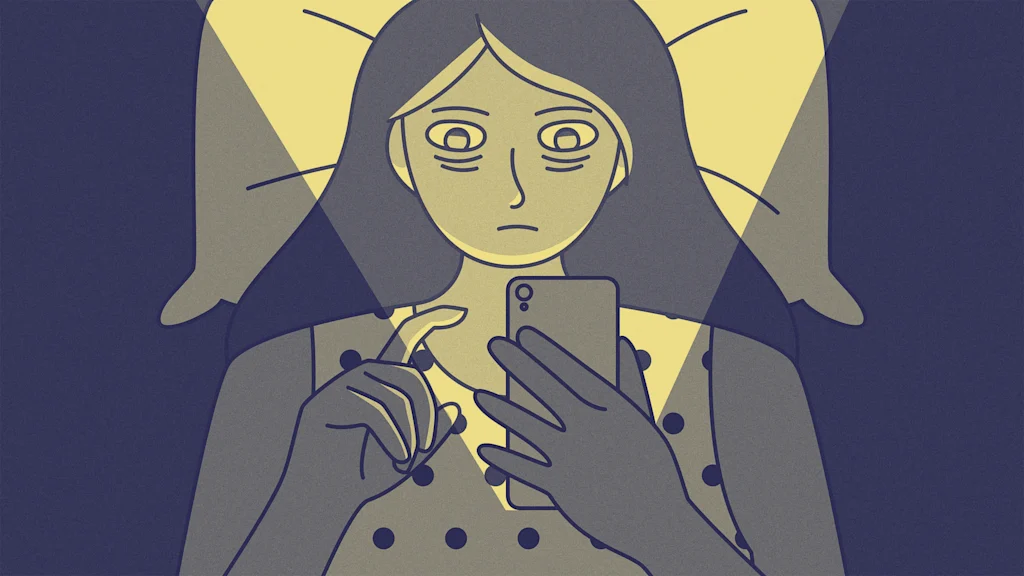
Why do I have to bring a mini computer that tries to drive engagement 24/7? Why do I take it into bed? Wake up with it, eat my dinner with friends with it? We don't stop. The problem lies partly in the addictive business model of digital platforms, which prioritise engagement and time spent on devices.
Work or social media can become addictive, and the bonds between people can suffer in the process. Designating certain spaces as screen-free zones helps provide a clear delineation between work or school and family time. Social media, office or school gossip, and work demands all erode time that could be better spent on personal growth through hobbies or the formation of social bonds.
Your brain accounts for roughly 2% of your body weight but consumes about 20% of your daily energy. That consumption isn't evenly distributed across all mental activities. Focused, voluntary attention (the kind you use when navigating a rocky trail or solving a puzzle you care about) draws on neural circuits that are remarkably efficient when properly engaged.
A recent Washington Post piece pulled together what a lot of us have been describing for years: the "brain rot" feeling isn't just slang. Researchers are linking heavy social media use and rapid-fire content to measurable changes in attention and memory, and the way it shows up day-to-day can look a lot like anxiety.