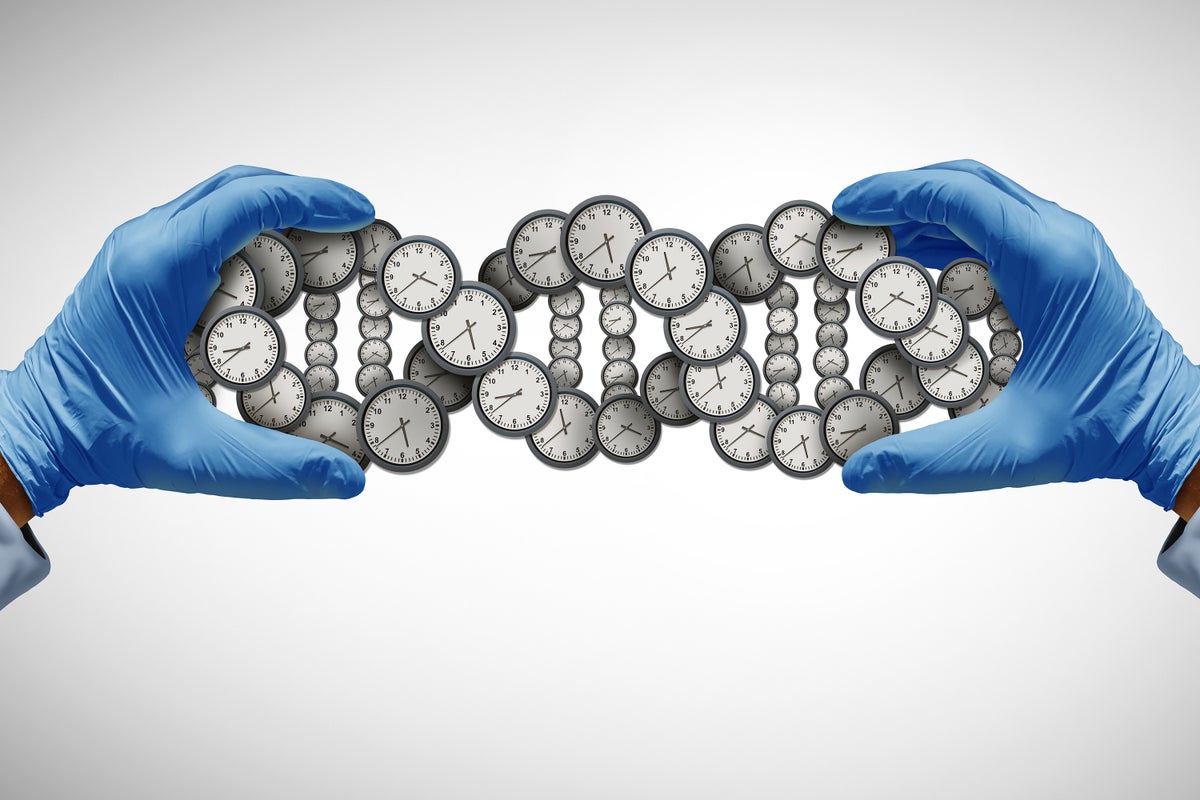
Aging is inevitable, but how fast your cells age isn't set in stone. On a molecular level, biological age is measured using something called the epigenetic clock, which isn't tied to chronological age in calendar years. This clock measures chemical changes, such as DNA methylation patterns, and gauges a person's "youthfulness" or "agedness" based on their epigenome, the system that controls how our genes are expressed, irrespective of birth-certificate age.
New research suggests that exercise may not just make us feel younger-it could actually slow or even reverse the body's molecular clock. By looking at DNA markers of aging, scientists found that structured exercise like aerobic and strength training has stronger anti-aging effects than casual activity. Evidence from both mice and humans shows measurable reductions in biological age, with benefits reaching beyond muscles to the heart, liver, fat tissue, and gut.