Psychology
fromPsychology Today
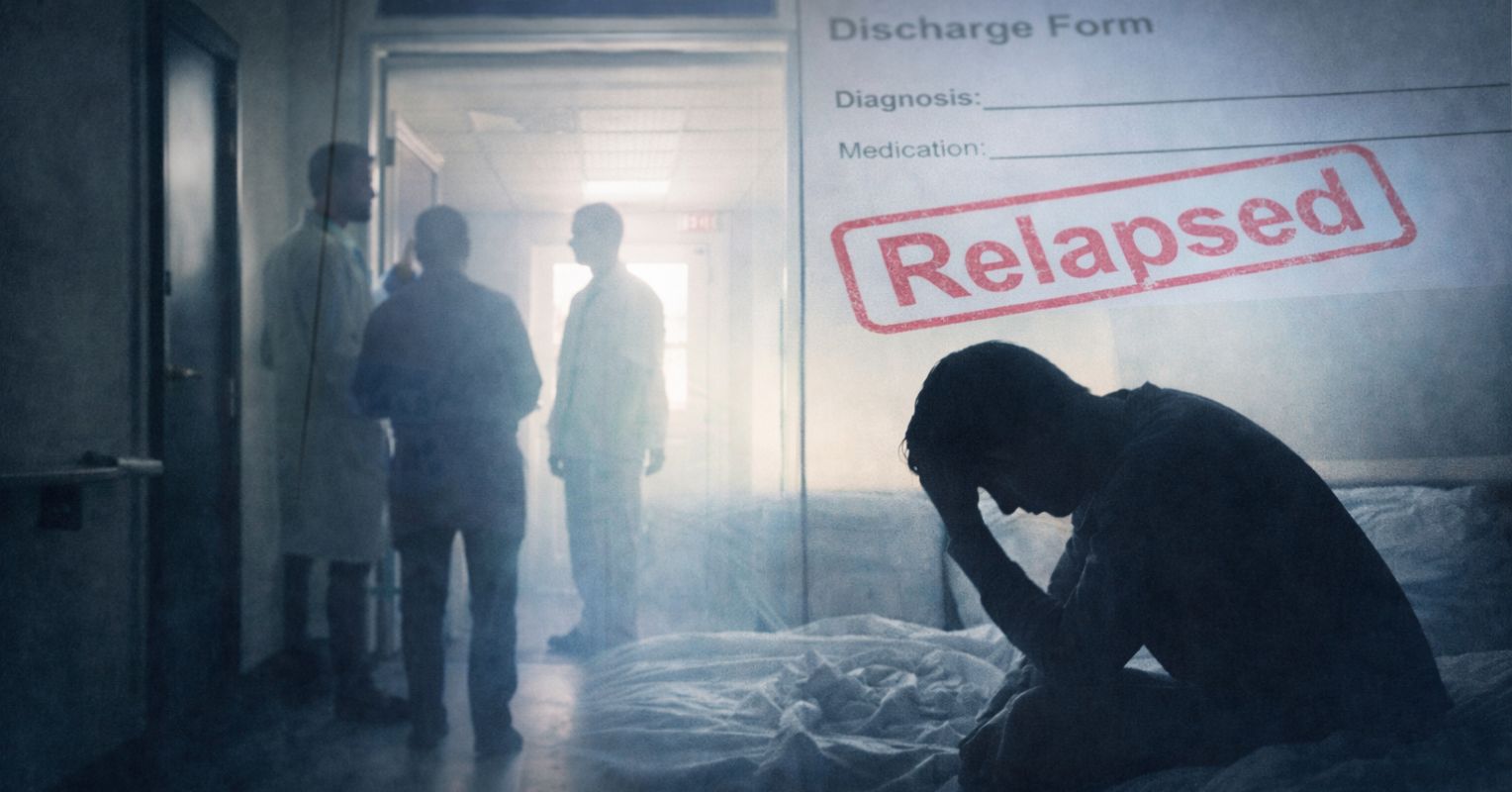
1 hour agoCraving Drives Bad Decisions, Relapse, and Drug Use
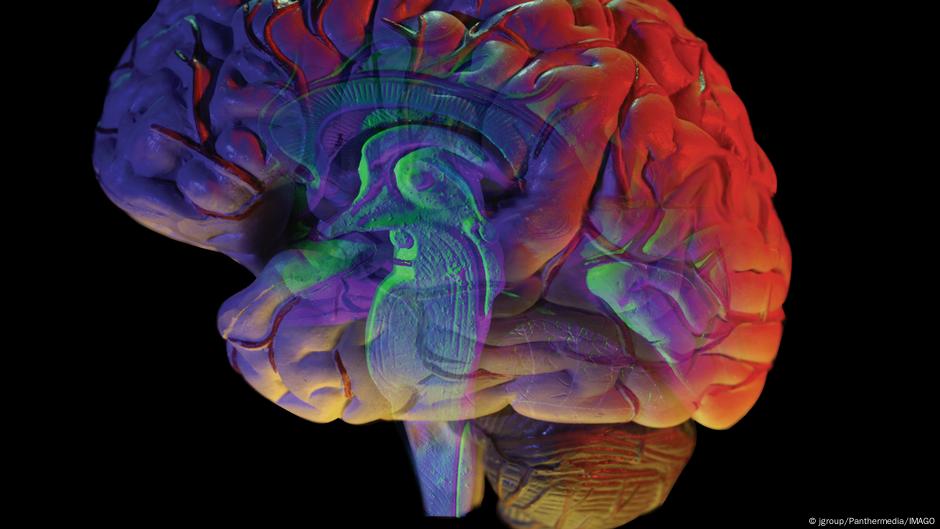
Craving is a core process that drives behavior and relapse in addiction, reshaping decision-making and brain systems.
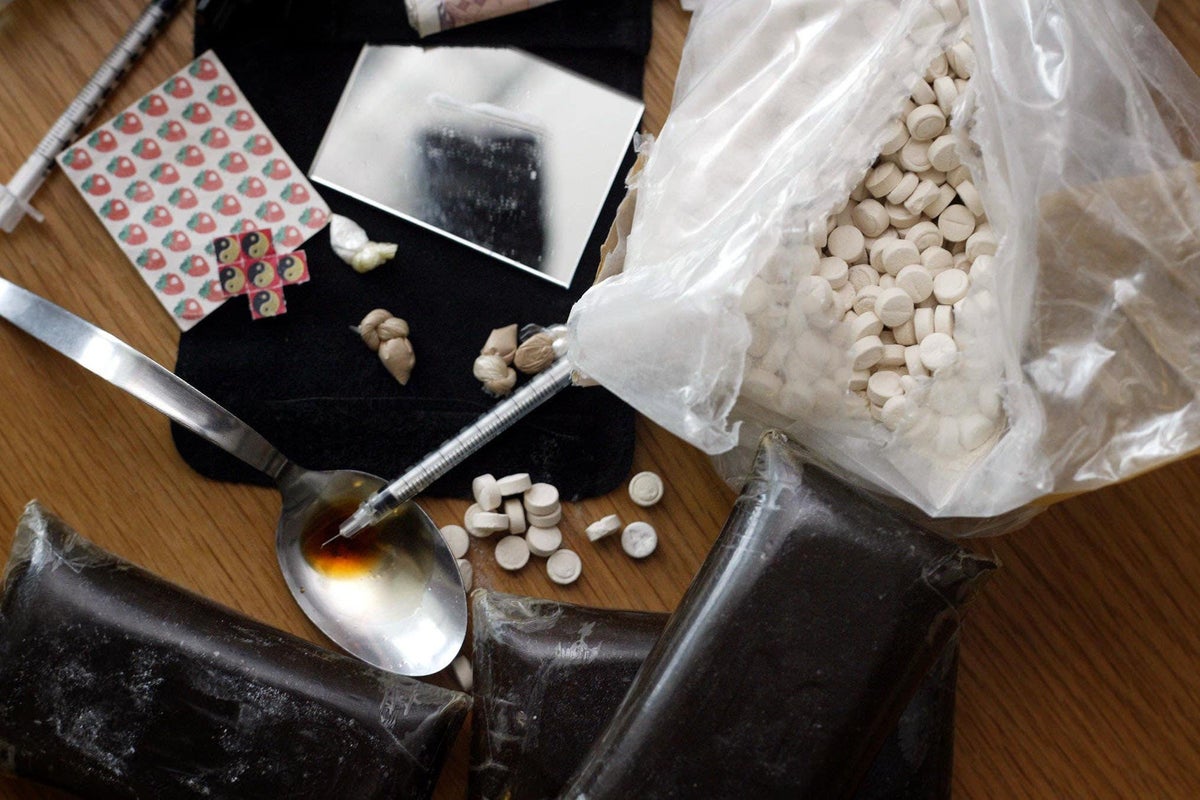
Jasveen Sangha pleaded guilty to one count of maintaining a drug-involved premises, three counts of distribution of ketamine, and one count of distribution of ketamine resulting in death or serious bodily injury.
Proposition 36, a state ballot measure, enacted harsher penalties for minor theft and drug offenses, with proponents pledging the crackdown would lead to mass treatment to keep people alive, out of jail, and off our streets. Case records, however, suggest the state is largely failing to meet the central goal of getting people help and instead conducting mass arrests and incarcerating more people with addiction.
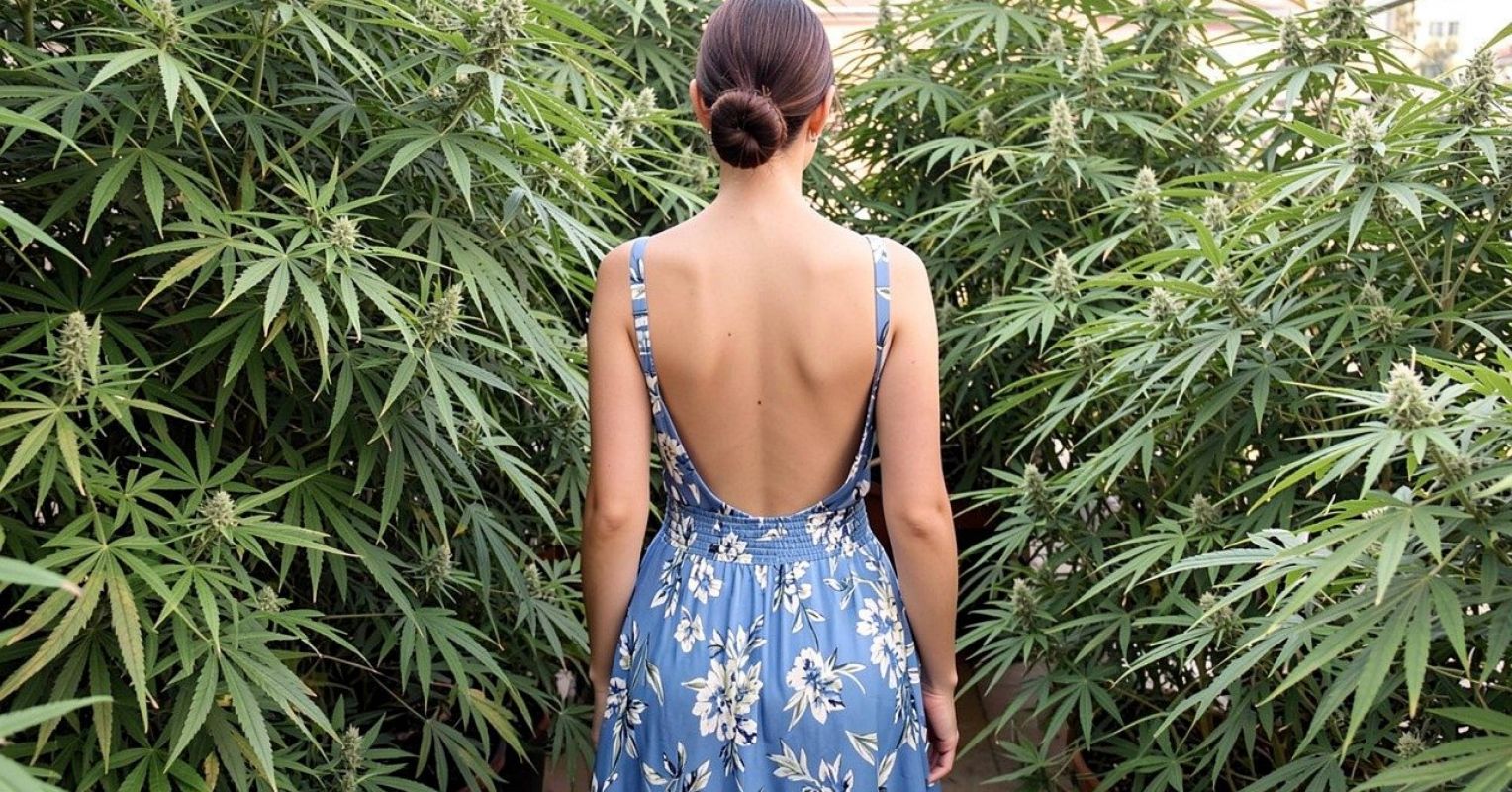
We found no evidence any form of cannabis is effective in treating anxiety, depression or post-traumatic stress disorder, which are three of the leading reasons for which cannabis is prescribed. The cannabis medications being administered in these studies were largely oral formulations, such as capsules, sprays or oils. In real life, people typically use smoked cannabis, and there is even less evidence of its effectiveness for mental health.
The U.S. Food and Drug Administration is reportedly mulling whether more prescription drugs should be sold over the counter (OTC) at pharmacies. In an interview on Wednesday, FDA commissioner Martin Makary told CNBC that everything should be over the counter except drugs that are deemed unsafe or addictive or that require clinical monitoring. Makary said the agency is reviewing how it decides which drugs can be sold with or without a prescription from a health care practitioner.
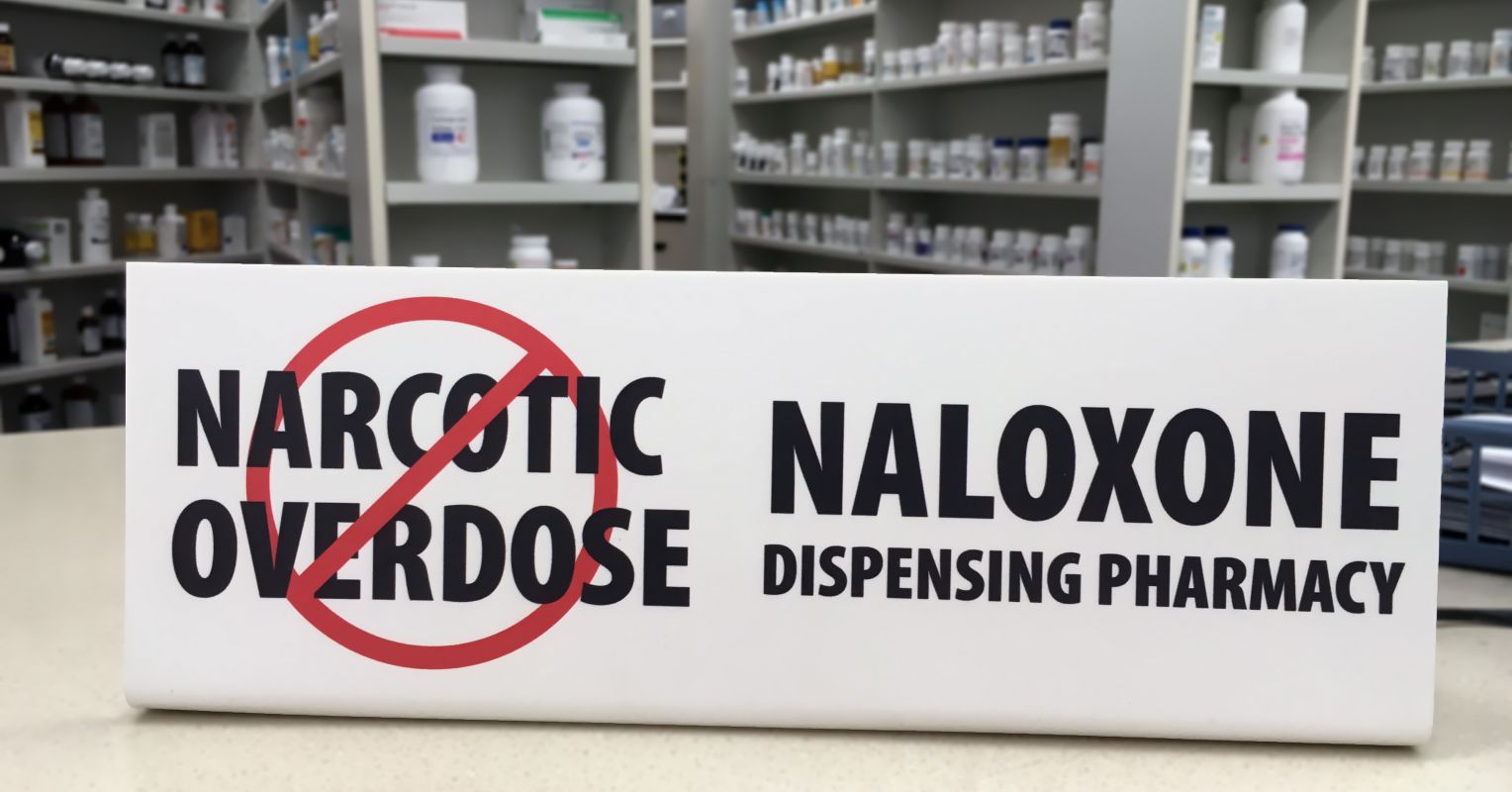
The Alaska Department of Corrections does not provide comprehensive access to this life saving medication. "I'm gonna give you a little pinch," Spencer said, sliding the needle into a fold of skin on the patient's belly for the subcutaneous injection. Alaska's not an outlier. Despite the fact that those recently released from incarceration are some of the most vulnerable to dying from drug overdose, addiction experts say that many jails and prisons around the country don't provide medication treatment.
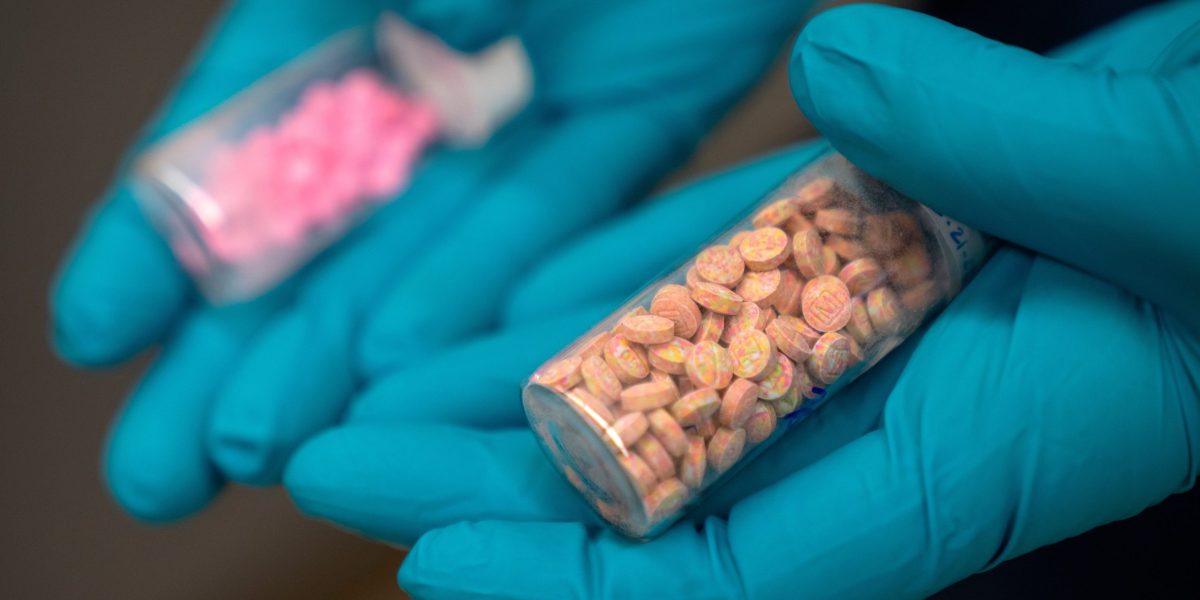
The drug is growing in popularity, sold online in custom baggies and is referenced regularly on social media by enthusiasts and musicians. Catch up quick: Authorities from Los Angeles to Miami in recent months have reported busts or issued strong warnings involving pink cocaine, also known as tuci or tusi. In 2025, New York investigators seized pink cocaine along with dozens of guns in a Tren de Aragua-linked trafficking case.
Yes, there has been a shocking lack of progress in developing transformative psychiatric medicine (We need new drugs for mental ill-health, 5 February), but this may be because in mental health, drugs are not always the answer (see, for example, Richard P Bentall's Doctoring the Mind). Huge progress has been made in the effectiveness of talking therapies for example, free effective treatment for post-traumatic stress disorder (PTSD) is available to all UK army veterans through the charity PTSD Resolution.
To some extent, Americans are talking about alcohol more than ever. We're having open conversations about the negative health impacts of drinking. People are consuming less booze overall and examining strategies to moderate, even as each drink packs more punch. There is one aspect of alcohol we're still not talking about: addiction, and, more precisely, the medical treatments available to combat it. What's even odder - your doctor may not know much about them, either.