#endangered-species-act
#endangered-species-act
[ follow ]



#gulf-of-mexico

SF politics
fromFortune
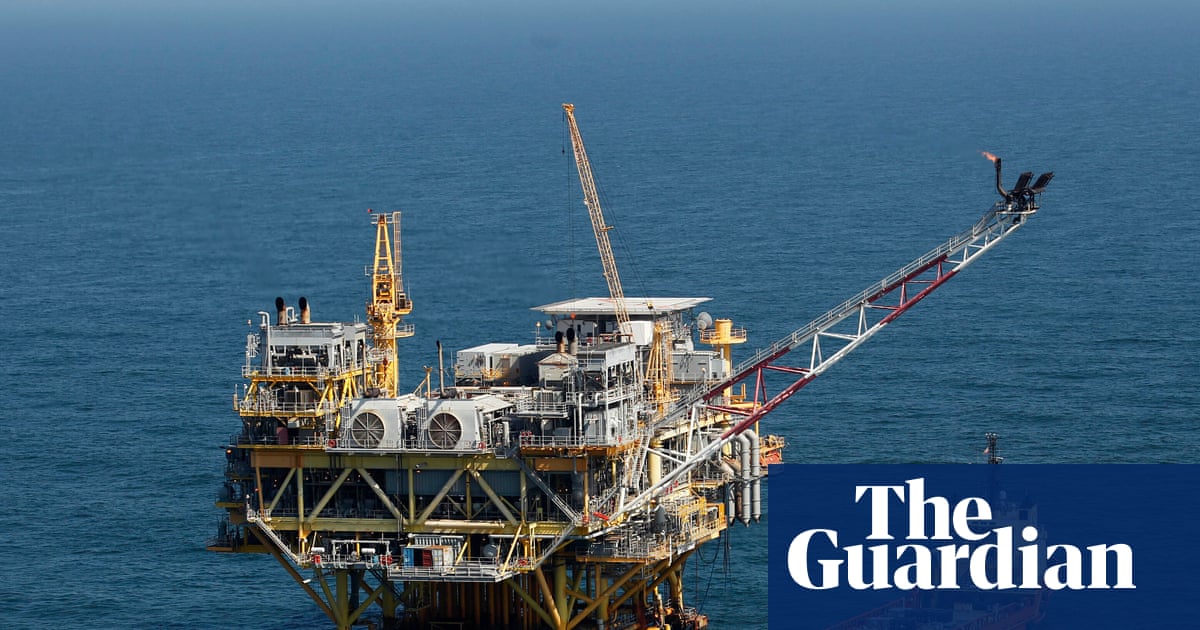
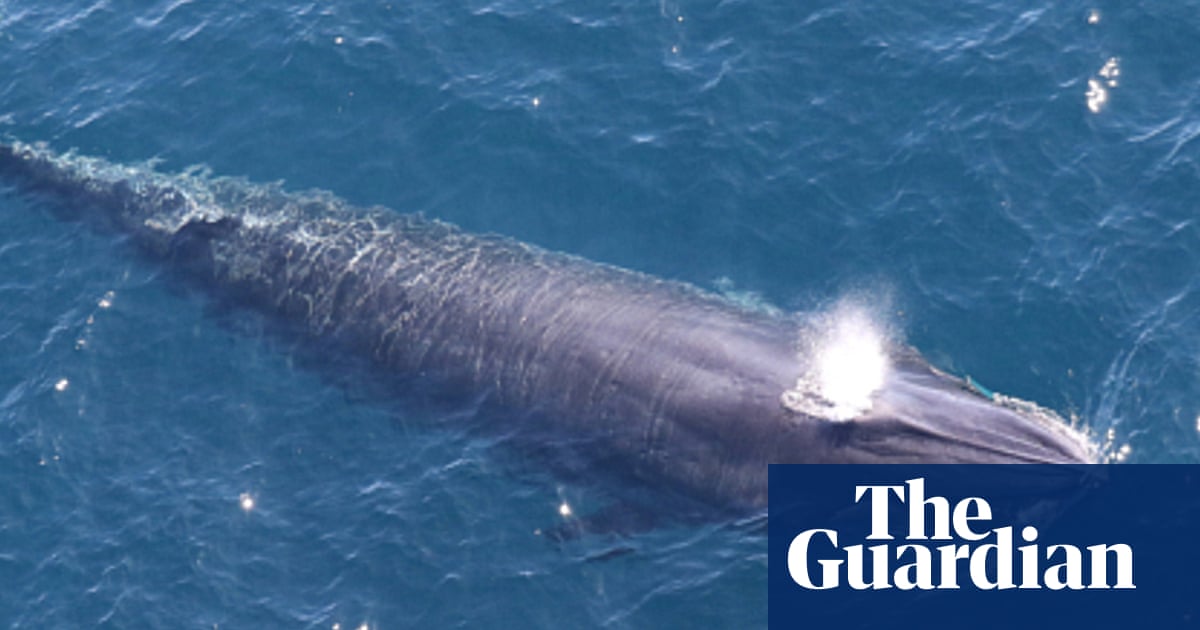
1 month agoWashington's 'God Squad' assembles to debate the fate of a rare endangered whale and drilling in the Gulf of Mexico | Fortune
A U.S. panel is considering exempting Gulf oil drilling from the Endangered Species Act, raising concerns for marine life and a rare whale species.
Environment
fromABC7 San Francisco
1 month agoTrump proposals will weaken and limit protection by Endangered Species Act, environmentalists say
Trump administration proposals would restrict the Endangered Species Act by narrowing harm definitions to exclude habitat protection, potentially reducing wildlife protection effectiveness by 99%.
SF politics
fromABC7 San Francisco
1 month agoEnvironmental groups sue to stop Trump's water diversions in California
Trump's executive order diverts more federal water to Central Valley farmers, bypassing state officials and environmental protections, prompting lawsuits from environmental groups claiming violations of the Endangered Species Act.

Environment
fromFortune
2 months agoTrump torpedoed Biden's $1 billion plan to save American salmon, leaving species 'on the brink of extinction' | Fortune
Courts are being asked to change operations at Columbia and Snake River dams to better protect endangered salmon and steelhead under the Endangered Species Act.
fromBoston.com
3 months agoMass. man pleads guilty to wildlife trafficking
"The wildlife that Bied unlawfully imported and conspired to import was protected by the Endangered Species Act as well as [CITES]," the office of U.S. Attorney for Massachusetts Leah B. Foley said. Adam Bied, 40, bought, sold, and traded the endangered animal parts from 2018 to 2021, knowing his transactions violated U.S. laws and regulations, according to federal prosecutors. The Reading resident worked with other traffickers based in Cameroon and Indonesia to obtain the parts, and neither sought nor obtained the proper USDWS licenses or CITES permits, Foley's office said.
Environment
Environment
fromwww.theguardian.com
5 months agoTrump officials reveal plan to roll back regulations in Endangered Species Act
Federal proposal weakens ESA protections by allowing economic considerations in habitat designations, narrowing critical habitat, delaying protections, and rescinding automatic protections for threatened species.
Environment
fromwww.npr.org
5 months agoTrump administration seeks to roll back protections for imperiled species and habitat
The administration seeks to roll back Endangered Species Act protections by eliminating the automatic "blanket rule" and requiring species-specific safeguards, risking delayed protections for imperiled wildlife.
fromLos Angeles Times
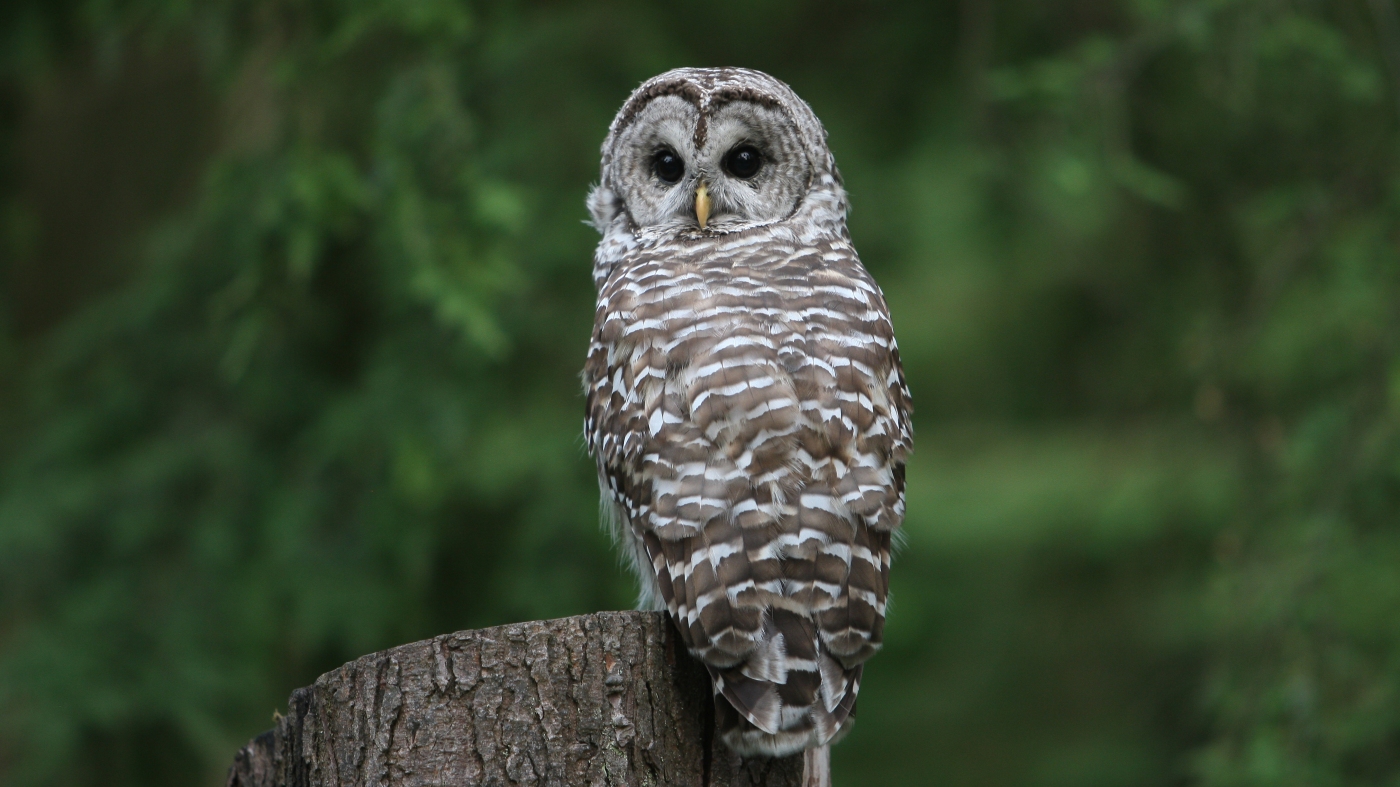
6 months agoPlan to kill 450,000 owls creates odd political bedfellows - loggers and environmentalists
Some logging advocates are afraid nixing the plan will slow down timber harvesting. Roughly 2.6 million acres of timberlands in western Oregon managed by the Bureau of Land Management are governed by resource management plans contingent on the barred owl cull going forward, according to Travis Joseph, president and chief executive of the American Forest Resource Council, a trade association representing mills, loggers, lumber buyers and other stakeholders in the region.
Environment
fromThe Atlantic
8 months agoWill Manatees Survive the Trump Administration?
It is home to 4,300 species, including many of the state's remaining manatees, whose large, paddle-tailed bodies graze slowly through the shallows. For decades, the lagoon has also been a destination for Florida's municipal sewage. State law long ago aimed to stop much of the flow from wastewater plants, but in practice continued to allow dumping during heavy rains. Residential septic tanks have kept leaching into the water, too. Over time, that pollution fed algae blooms that choked out the area's seagrass-manatees' main food source.
Environment
[ Load more ]