Ethylene oxide was once considered an unremarkable pollutant. The colorless gas seeped from relatively few industrial facilities and commanded little public attention. All that changed in 2016, when the Environmental Protection Agency completed a study that found the chemical is 30 times more carcinogenic than previously thought. The agency then spent years updating regulations that protect millions of people who are most exposed to the compound.
The Supreme Court of Canada will hear an appeal from a coalition challenging the constitutionality of legislation that opens the door to major changes at Ontario Place. The urban park on the Toronto waterfront, opened in 1971, included a theatre that showed movies on a huge screen, children's play areas and several pavilions suspended above the water. The Ontario government plans to redevelop Ontario Place to include an elaborate spa operated by a private company.
Earthjustice seeks a Senior Attorney to join the Fossil Fuels Program. We use the power of the law to challenge the onslaught of new oil and gas infrastructure development that threatens climate, communities, and the environment. This position will focus on oil and gas infrastructure and related projects in the U.S. Gulf region, particularly Louisiana and Texas. The attorney in this position will be place-based in the New Orleans' satellite office space shared
When UK prime minister Keir Starmer announced last week that he was implementing the Fingleton review, you can forgive the pulse of most Britons for failing to quicken. But behind the uninspiring statement lies potentially the biggest deregulation for decades, posing peril for endangered species, if wildlife experts are to be believed, and a likely huge row with the EU.
Seth Adams, a director of Save Mount Diablo, said Judge Michael Markman's Nov. 19 decision was a "huge victory" and "one of great holiday cheer." "You've got to stand up to bullies," said Adams, whose organization was one of two groups who sued the city, including another group called Friends of Livermore. "Dublin has been a bully in this situation."
The bill introduced into parliament only a few weeks ago proposed to take the country backwards in environmental protection. It sought to strip communities of participation in environmental decisions, hand decision-making about environmental harm to the states and territories and give the environment minister sweeping power to tailor environmental regulations for certain developments, companies or industries. The government made it clear from the outset that the convenience of business, the desire for quick yesses that could harm the natural environment, was its chief priority.
I felt helpless and hopeless when it came to the environmental destruction that so ravages our world and our social media feeds. I felt that if there was any way I could contribute, even if just a little bit, it was irresponsible of me not to try. When I began to meet with people and interviewed them for my book, I realised quickly that most of the people working on environmental reports with the United Nations, or in climate sciences at universities,
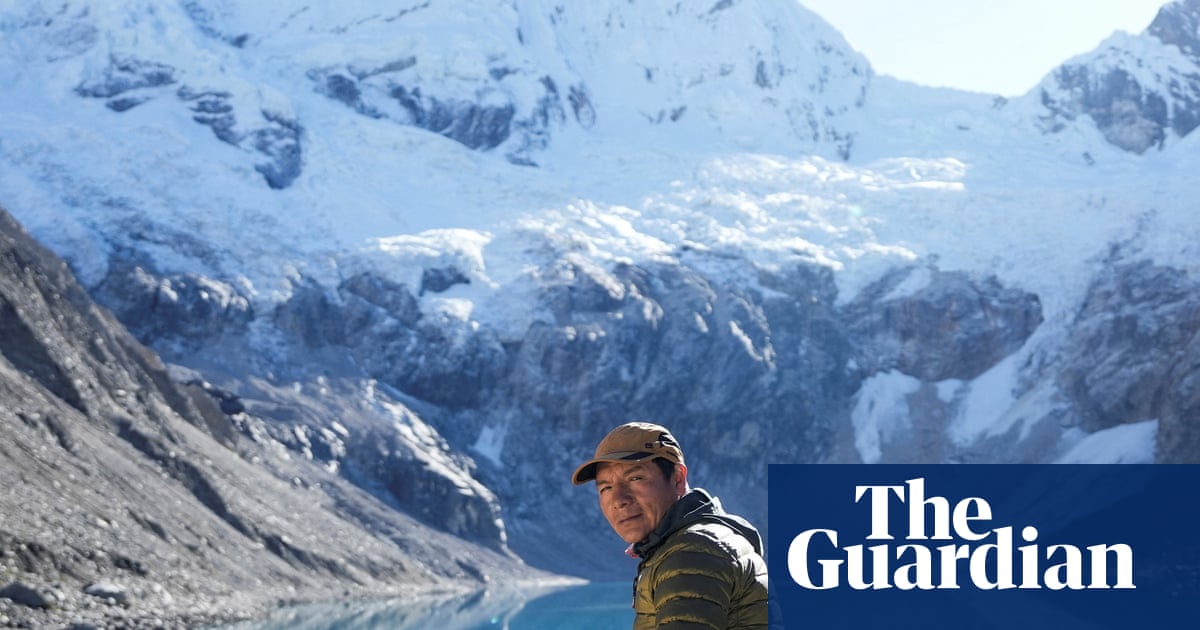
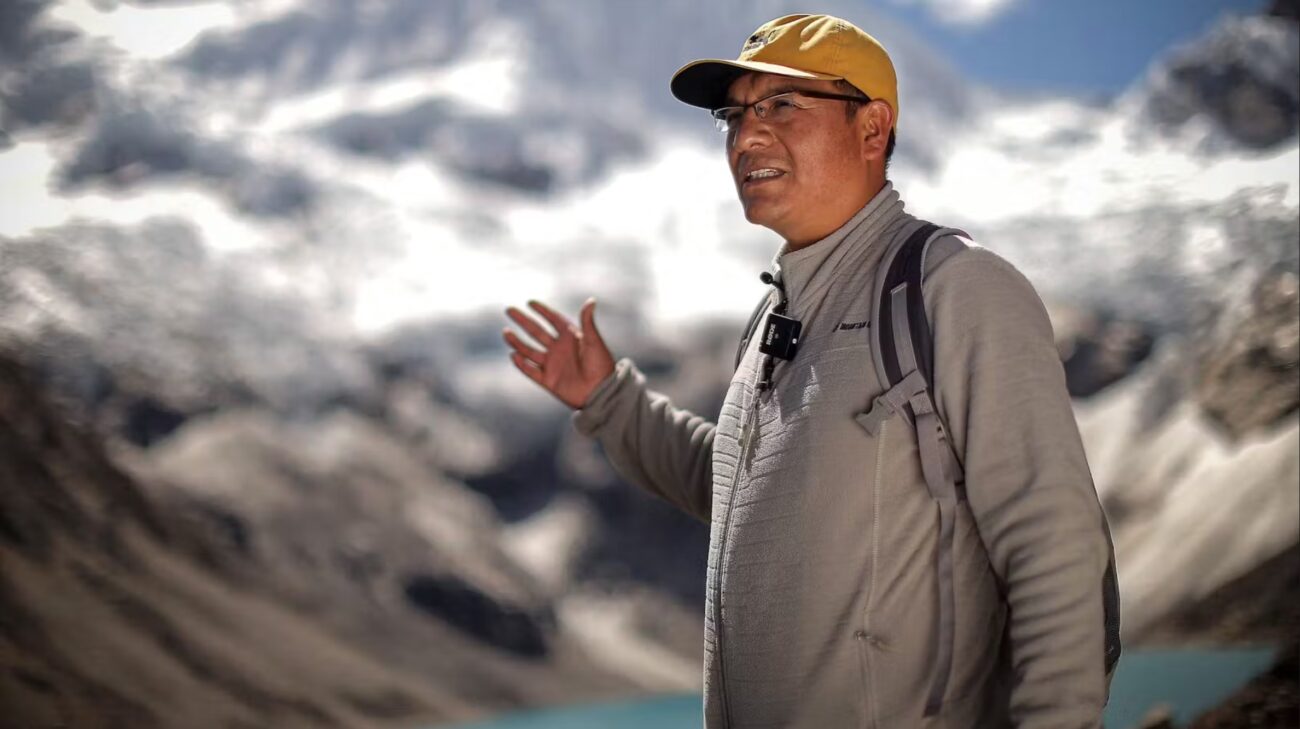
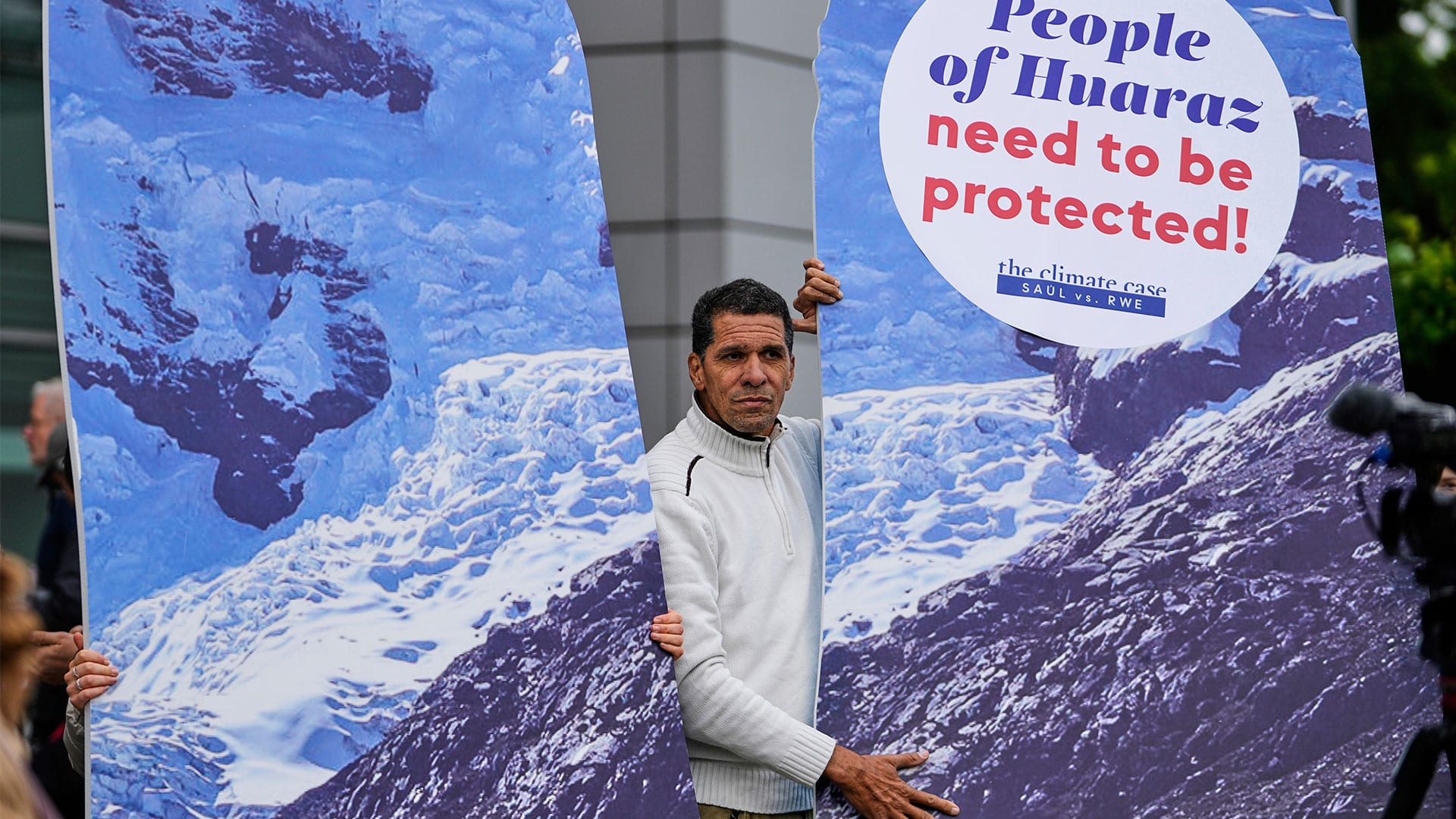
Bütler runs a law firm focusing on spatial planning and environmental law in Zurich. This past March, he delivered a seminar on the legal dimensions of glaciers before Zurich's glaciology group. "It's really a sad development that in Switzerland, the climate has changed very rapidly and strongly, and the effect is very real. And we lose a lot of snow and ice each year, which is hard to take," he said. "Some 40 years ago, it was a completely different world here."
[Our] goal is to give [students] a sense of how important it is to use the power that they will wield as a lawyer to bring about good in the communities that they live in and work in, he said. And so we want to empower them and we want to make communities strong and do service. To this end, he's pursued mission-driven goals.
The analysis by the Guardian and the Institute for European Environmental Policy (IEEP) has found that since Brexit the EU has brought forward 28 new, revised or upgraded pieces of environmental legislation that the UK has not adopted, and the UK has actively chosen to regress by changing four different pieces of legislation including on protected habitats, pesticides and fisheries.
The ICJ is set to decide the future course of climate accountability in a landmark legal case brought by Vanuatu. Countries that are top fossil fuel polluters argue that legal provisions under the UNFCCC are enough, while advocates encourage a broader approach, incorporating human rights and maritime laws. Vanuatu emphasized the ICJ’s unique position to address these issues within the framework of international law, urging judges to clarify obligations towards climate change and potential consequences for polluters.
The case 'didn't just make headlines,' Montana Republican Representative Greg Oblander stated, asserting it 'sent shockwaves through the Montana economy.' This highlights significant legislative changes post-decision.