#evolutionary-biology

[ follow ]
Psychology
fromPsychology Today
1 day ago

New Insights on the Evolution of Right- and Left-Handedness

The modified fighting hypothesis explains the evolution of both right- and left-handedness through frequency-dependent advantages in combat, with right-handers maintaining evolutionary advantage despite left-handers' surprise effect benefit.
Science
fromNature
5 days ago

No such thing as a shark? Genomes shake up ocean predator's family tree

Sharks may not form a natural biological group; hexanchiformes might be more closely related to rays and skates than to other sharks, making sharks a paraphyletic group.
Science
fromDefector
4 days ago

This Pink Bug Is Not A 'Rare Freak Mutant' After All | Defector

A neon pink katydid discovered in Panama challenges the century-old assumption that pink coloration in these insects is a disadvantageous mutation, suggesting it may provide evolutionary advantages.
Philosophy
fromThe Conversation
6 days ago

What's it like to be a bat? Scientists develop new solution to the puzzle of animal minds

A new 'teleonome' framework evaluates animal welfare by understanding each species' evolutionary needs rather than isolated physiological measurements.
fromFlowingData
6 days ago

Pokemon tree of life

In this tree of life, The Straits Times examines each Pokemon character's closest proxies in the real world, uncovering the scientific concepts hidden in their designs. Beyond the original species, we delve into creatures from different dimensions and eras that were introduced in later versions of the game.
Video games
fromKqed
6 days ago

Why Mammals Gave Up On Laying Eggs | KQED

The vast majority of animal species on this planet lay eggs, most insects, most fish, most amphibians, most reptiles, all birds, and even a few mammals lay eggs to reproduce. And if you go back far enough, you can see that our ancestors laid eggs for millions of years too.
Science
#drunken-monkey-hypothesis
OMG science
fromwww.npr.org
1 week ago

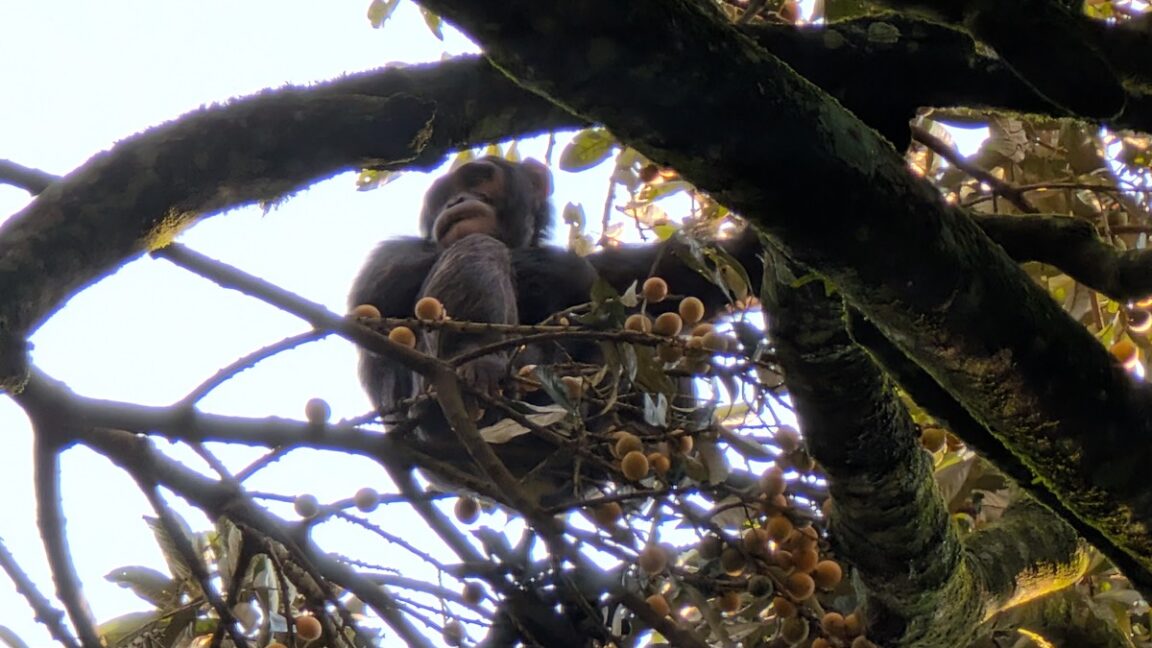
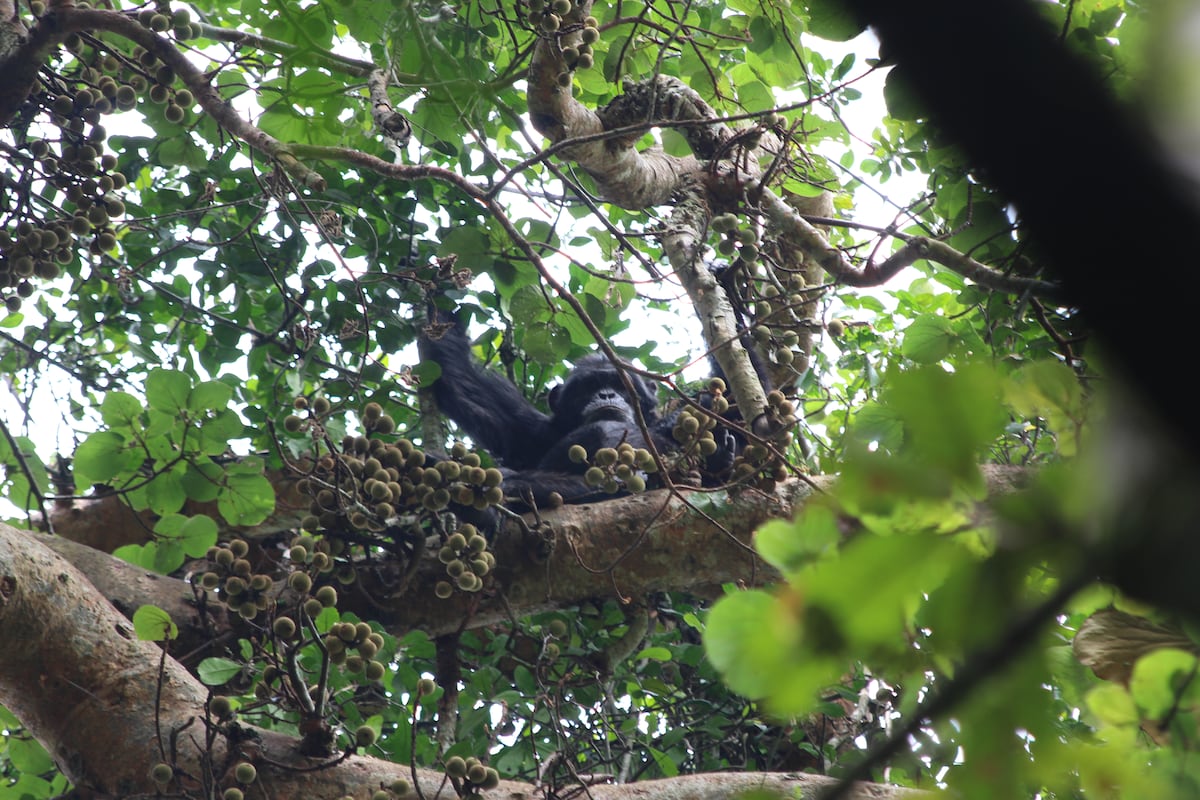
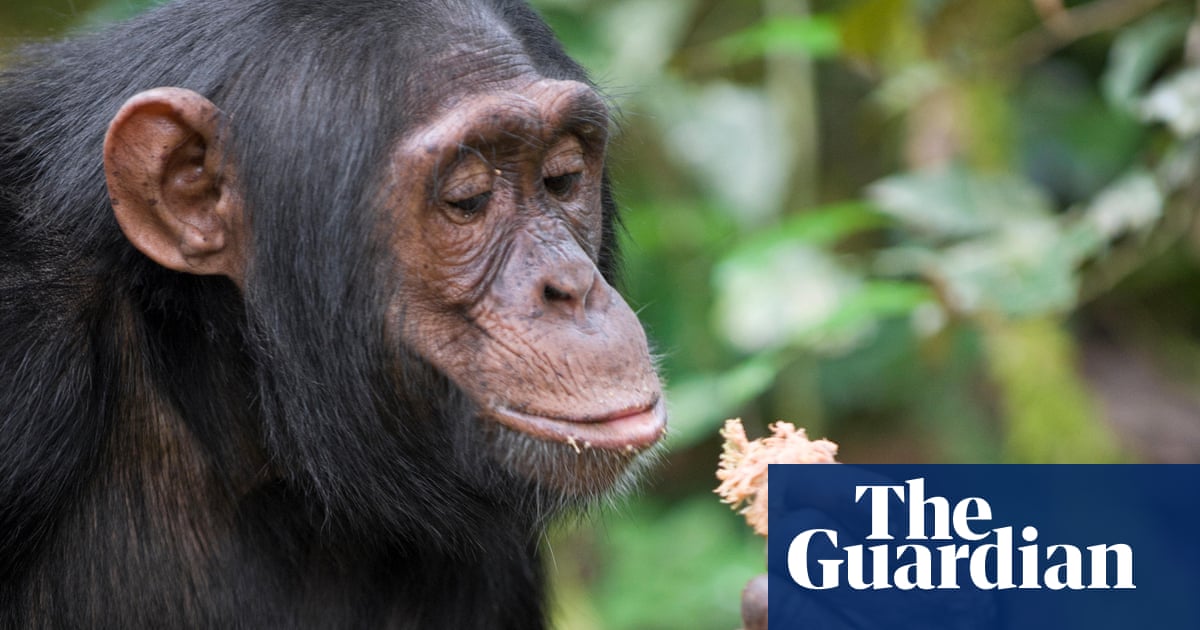
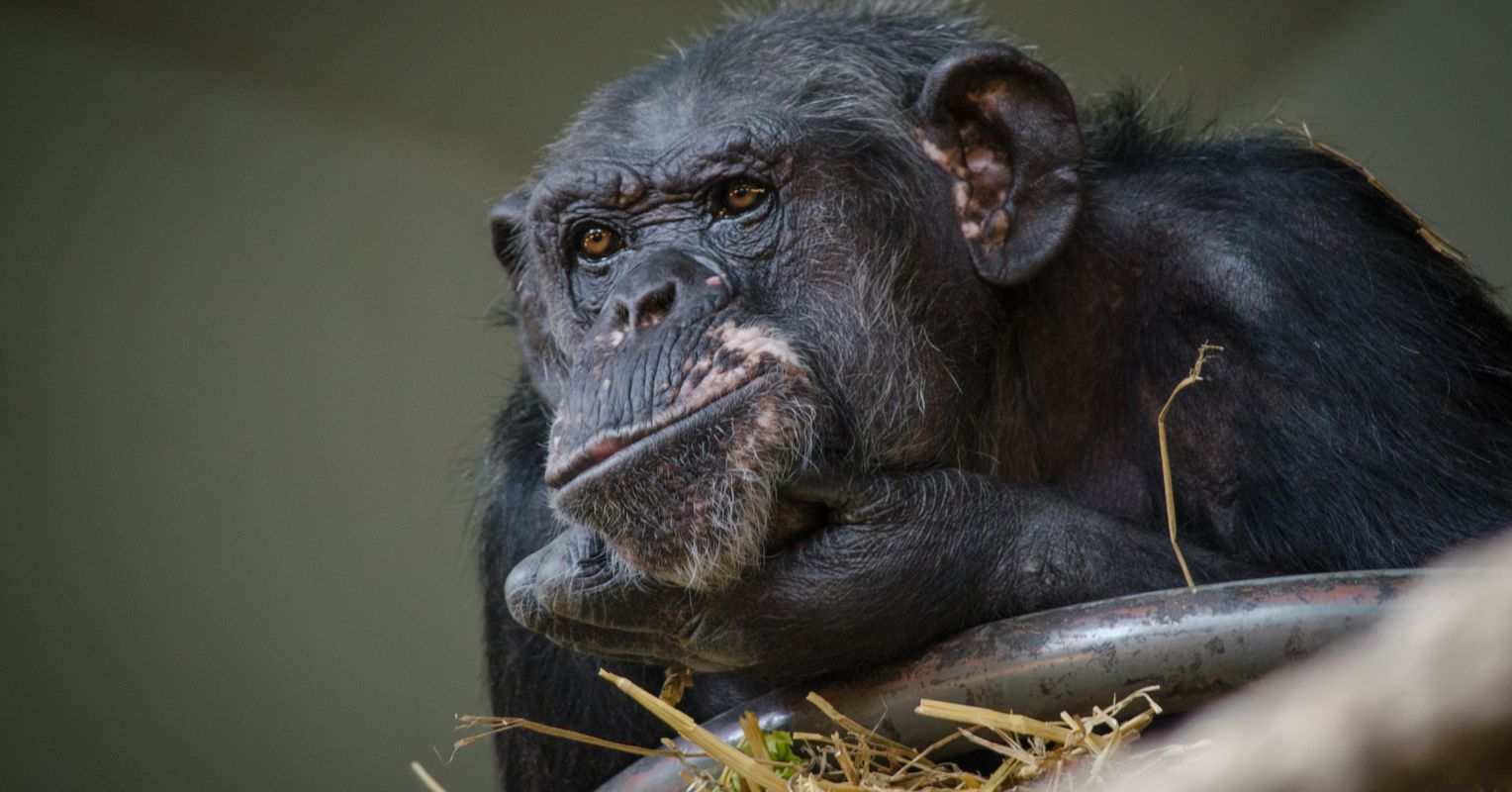
Chimps' taste for fermented fruit hints at origins of human love of alcohol

Chimpanzees consume alcohol from fermenting fruit, suggesting humans' attraction to alcohol evolved from ancestral primates associating fermented fruit's scent with calorie-dense food sources.
fromArs Technica
1 week ago

Why are vertebrate eyes so different from those of other animals?

We think that in this early deuterostome, the median eye contained both ciliary and rhabdomeric cells. As a result, both cellular lineages were incorporated into a single, ancient, cyclopean eye, which later evolved into the vertebrate eyes.
Science
Psychology
fromSilicon Canals
1 week ago

Psychology says people who feel a wave of sadness at dusk even on good days are experiencing these 5 patterns - and it connects to something so ancient in the human brain that psychologists say the feeling predates language itself - Silicon Canals

Twilight melancholy is a real neurochemical phenomenon where serotonin, dopamine, and cortisol levels shift as daylight fades, creating evening sadness rooted in evolutionary biology rather than psychological choice.
Science
fromwww.theguardian.com
2 weeks ago

Who'd guess they're the same species?' What Italy's wall lizards reveal about genetic diversity and why it matters

Biodiversity encompasses variation within species, not just species inventory, as demonstrated by common wall lizards showing dramatic differences in color, size, and behavior despite being the same species.
Science
fromenglish.elpais.com
2 weeks ago

Neanderthal men chose Homo sapiens women: Genetics reveals the sex life of our ancestors

Neanderthal males interbred with modern human females approximately 50,000 years ago, explaining why Neanderthal DNA is nearly absent from the X chromosome in non-African humans today.
Environment
fromPsychology Today
2 weeks ago

Our Missing Climate Tools Are Psychological and Evolutionary

Humans must evolve culturally and deliberately through effective decision-making to manage climate challenges, overcoming short-term thinking as animals demonstrate rapid evolutionary adaptation to environmental change.
Relationships
fromwww.theguardian.com
4 weeks ago

Are we hard-wired for infidelity?

Humans evolved both secure pair-bonding and a genetically influenced appetite for sexual novelty, producing heritable predispositions toward infidelity in some individuals.
Science
fromMail Online
1 month ago

Homosexuality may have evolved as a 'survival strategy', study claims

Same-sex behaviors in primates increase in harsh environments and within larger, more complex social groups, possibly strengthening bonds that aid group survival.
fromLGBTQ Nation
2 months ago

Study finds widespread same-sex behavior among primates & could help explain why nature is so gay - LGBTQ Nation

The study's authors researched 96 peer-reviewed studies documenting SSB to compile one of the most comprehensive datasets for primates to date. The study found that SSB are a "persistent and integral component of primate social [practices]." In fact, the prevalence of SSB across a variety of closely related primate species - and over several lines of descendants - "indicates a deep evolutionary root or multiple independent evolutionary origins," the study's authors wrote.
Science
Science
fromJezebel
2 months ago

Same-Sex Behavior Likely Predates Humanity Itself, New Study Suggests

Same-sex sexual behaviors are evolutionarily common across primates, serve social and evolutionary functions, and likely existed throughout primate and human evolutionary history.
Philosophy
fromPsychology Today
2 months ago

Can Accepting Our Biological Heritage Improve the World?

Biological imperative centers on protecting, promoting, and propagating genetic code, shaping behavior, sex-specific roles, physiology, and intergenerational wellbeing.
Philosophy
fromPsychology Today
2 months ago

Why Consciousness Science Needs Darwin

Consciousness evolved via a Darwinian bottom-up process from simple subjective experiences across the animal kingdom rather than being human-centric.
Science
fromBig Think
2 months ago

Earth's complex life began with a fungus

Fungi evolved early as eukaryotic, spore-reproducing organisms with flagella in aquatic environments, later diversifying into terrestrial, nonmotile lineages.
Health
fromFortune
4 months ago

Harvard professor calls out 'lie' of needing 8 hours of sleep a night, says it's Industrial Era 'nonsense' | Fortune

Optimal nightly sleep for many healthy adults is closer to seven hours, with health risks rising for shorter or longer sleep in a U-shaped pattern.
Science
fromwww.independent.co.uk
5 months ago

Dangerous and energetic sex lives could be why males die earlier than females

Female mammals generally live longer than males, likely because male mating competition and risky reproductive traits shorten male lifespans, with birds showing different patterns.
Science
fromwww.scientificamerican.com
5 months ago

Chimpanzee Consumption of Boozy Fruit May Illuminate Roots of Humanity's Love of Alcohol

Wild chimpanzees ingest ethanol from ripe fruits equivalent to a couple of adult alcoholic beverages daily, indicating ancestral dietary exposure to alcohol.
#chimpanzees
Science
fromBig Think
6 months ago

The evolution of laziness: Why humans resist the gym

Human biology and behavior require integrated mechanistic, evolutionary, and cultural explanations to fully explain functions like immunity, movement, and cognition.
Science
fromwww.scientificamerican.com
6 months ago

500 Million Years of Evolution Reveal Stunning Diversity in Sex, Gender and Mating

Sexual diversity across animals challenges binary male/female definitions and includes alternative reproductive strategies and social behaviors that are evolutionary adaptations worth serious study.
fromwww.theguardian.com
7 months ago

The Origin of Language by Madeleine Beekman review the suprising history of speech

Language likely evolved as a crucial tool to facilitate the care of vulnerable infants, requiring cooperative parenting and communication among groups in early human societies.
Philosophy
fromenglish.elpais.com
7 months ago

Darwinist feminism: Dismantling the myth of female sexual passivity

Sarah Blaffer Hrdy proved that females were neither passive nor monogamous by default, demonstrating that female colobinae employed sexual counter-strategies to obscure paternity.
Women
fromMail Online
7 months ago

Death of the alpha male as science reveals who really holds power

'If a female doesn't want to mate, the male can't do anything about it. That alone gives her power.'
Women
Pets
fromThe Atlantic
7 months ago

Who Sunscreens an Elephant?

Some animals require human-applied sunscreen to prevent sun damage due to their unique situations. Evolutionary adaptations to sun exposure vary widely among species.
Science
fromNature
8 months ago

Daily briefing: Research sleuthing is being 'twisted' to cast doubt on science

Research sleuths express concern that their efforts are misused to discredit scientific integrity.
fromwww.nature.com
8 months ago

First Rhinos, Next Dinos? Ancient Protein Sequencing Feat Offers Tantalizing View into the Past

Researchers have described proteins that they say are among the most ancient ever sequenced, pushing back the genetic fossil record to more than 20 million years ago.
Science
fromNature
8 months ago

'We couldn't live without it': the UCSC Genome Browser turns 25

The website took on a life of its own, showcasing the ongoing evolution and impact of the UCSC Genome Browser, vital for genomic research.
Science
fromwww.scientificamerican.com
9 months ago

Are These Hamsters the Best Dads in the Animal Kingdom?

In mammals, good dads are the exception. Male leopards, bears, or cats have a habit of toddling off after mating and leaving the mothers to raise the kids.
Parenting
Women
fromPsychology Today
10 months ago

Semen Loss: A Sexual Challenge Few Older Lovers Anticipate

Men often experience a decrease in semen production after age 60, which can cause concern but is usually not a health issue.
fromwww.npr.org
10 months ago

The all-female free divers of Jeju Island have a 'superpower' in their genes

Ilardo's research highlights how the Haenyeo's adaptations, both physiological and genetic, enable them to thrive in harsh diving conditions.
Women
Medicine
fromwww.nytimes.com
10 months ago

Humans' Wounds Heal Much More Slowly Than Other Mammals'

Baboons heal faster from injuries than humans, suggesting an evolutionary trade-off for our vulnerability.
fromPsychology Today
10 months ago

Why Stimulants Work and Why We Should Be Cautious

Stimulants tap into core brain functions that evolved to enhance survival, offering short-term benefits but requiring a cautious approach due to widespread use.
Mental health
OMG science
fromwww.npr.org
11 months ago

How nature makes a complex brain and why humans may not be so special after all

Birds, reptiles, and mammals evolved complex brains independently, showcasing convergent evolution.
[ Load more ]