#exxonmobil
#exxonmobil
[ follow ]
#venezuela #chevron #mossmorran #job-losses #investment-risk #oil-industry #first-amendment #hacking
fromFortune
2 months agoTrump threatens to keep 'too cute' Exxon out of Venezuela after CEO provides reality check on 'univestable' industry | Fortune
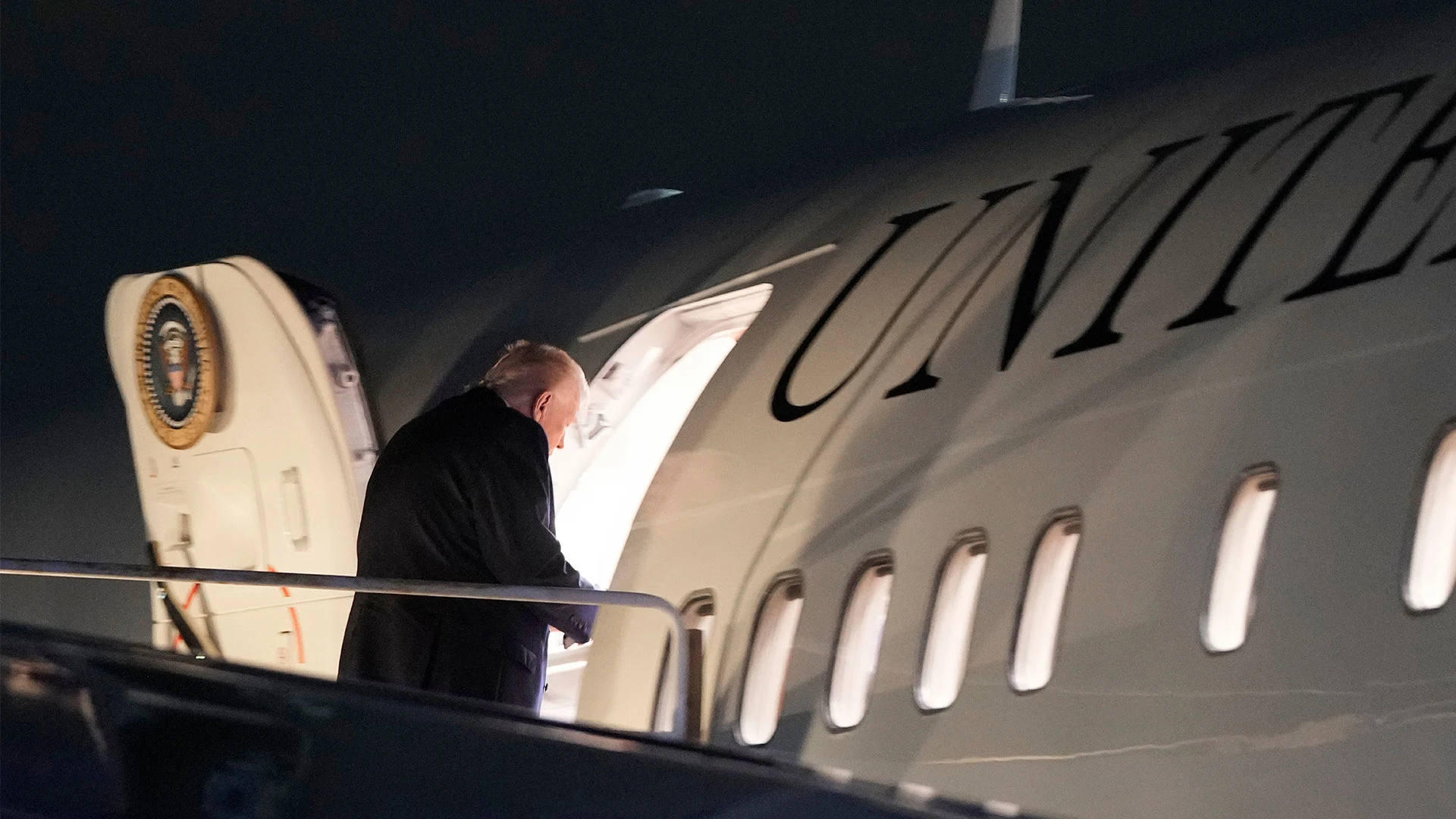
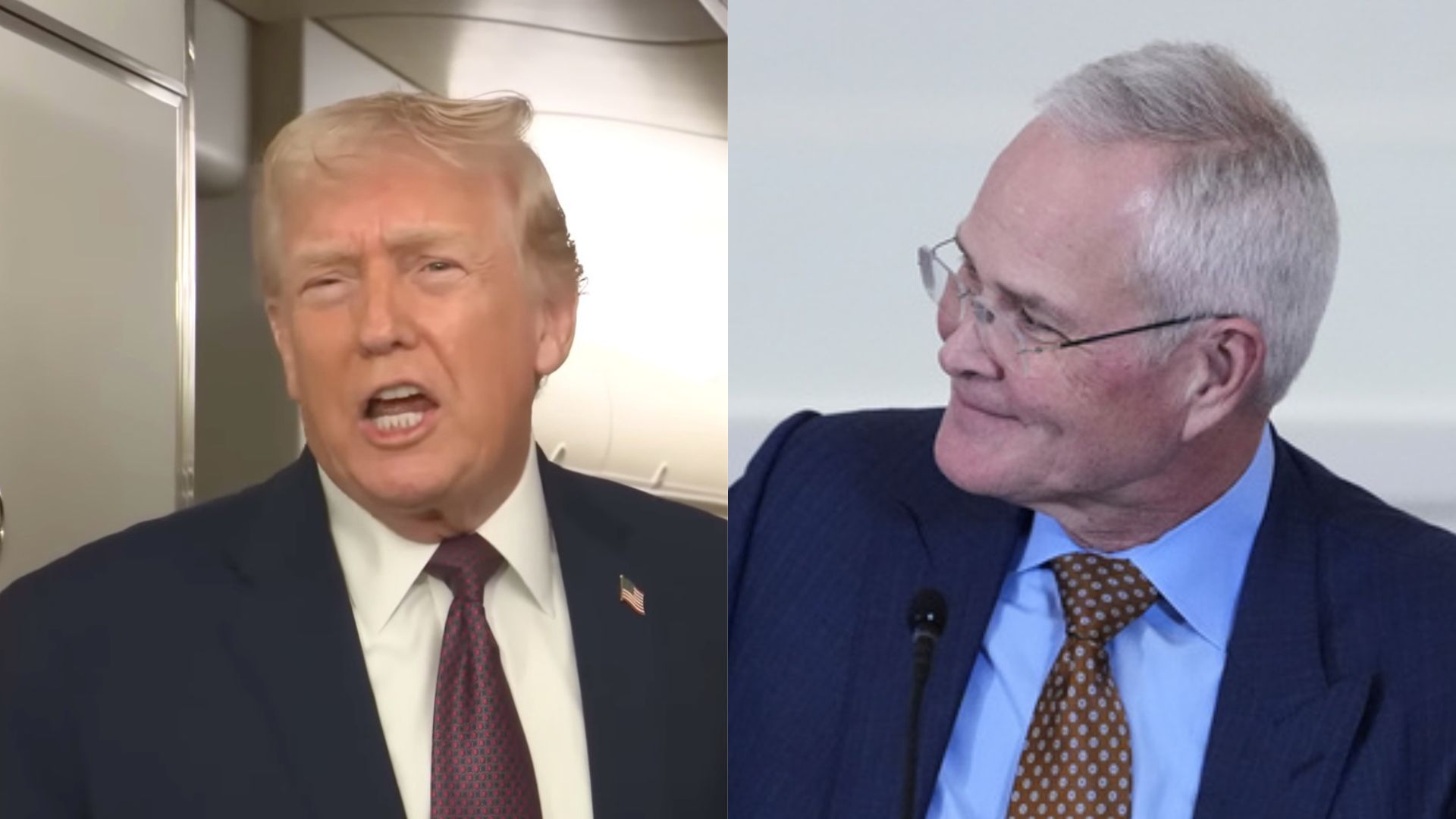
As other oil executives lavished President Trump with praise at the White House, Exxon Mobil CEO Darren Woods bluntly said the Venezuelan oil industry is currently "univestable," and that major reforms are required before even considering committing the many billions of dollars required to revitalize the country's dilapidated crude business. Two days later, a miffed Trump told reporters Jan. 11 that he would "probably be inclined to keep Exxon out" of Venezuela. "I didn't like their response. They're playing too cute," Trump said.
US politics
from24/7 Wall St.
2 months agoSell Exxon Stock Immediately
Venezuela is supposed to be the amazing future of big oil. After all, about one-fifth of the world's proven oil reserves sit in and under land and water it controls. These are vast new fields for Exxon Mobil Corp. ( NYSE: XOM) and Chevron Corp. ( NYSE: CVX). Not so fast. As the United States seized Venezuelan dictator Nicolás Maduro, word went out that President Trump will gather oil executives at the White House.
World news
fromLos Angeles Times
4 months agoExxon sues California over new laws requiring corporate climate disclosures
ExxonMobil has filed suit in federal court challenging two California laws that would require the oil giant to report the greenhouse emissions resulting from the use of its products globally. The 30-page complaint, filed Friday in the U.S. District Court for the Eastern District of California, argues that the laws violate the company's free speech rights by requiring it to "trumpet California's preferred message even though ExxonMobil believes the speech is misleading and misguided."
Environment
from24/7 Wall St.
10 months agoWhy Exxon Mobil (NYSE: XOM) and Chevron (NYSE: CVX) Stocks Are Trading Higher Today
Despite a generally tough year for oil stocks, ExxonMobil and Chevron are showing resilience against market volatility, bolstered by rising crude oil futures and favorable geopolitical factors.
Cryptocurrency
[ Load more ]