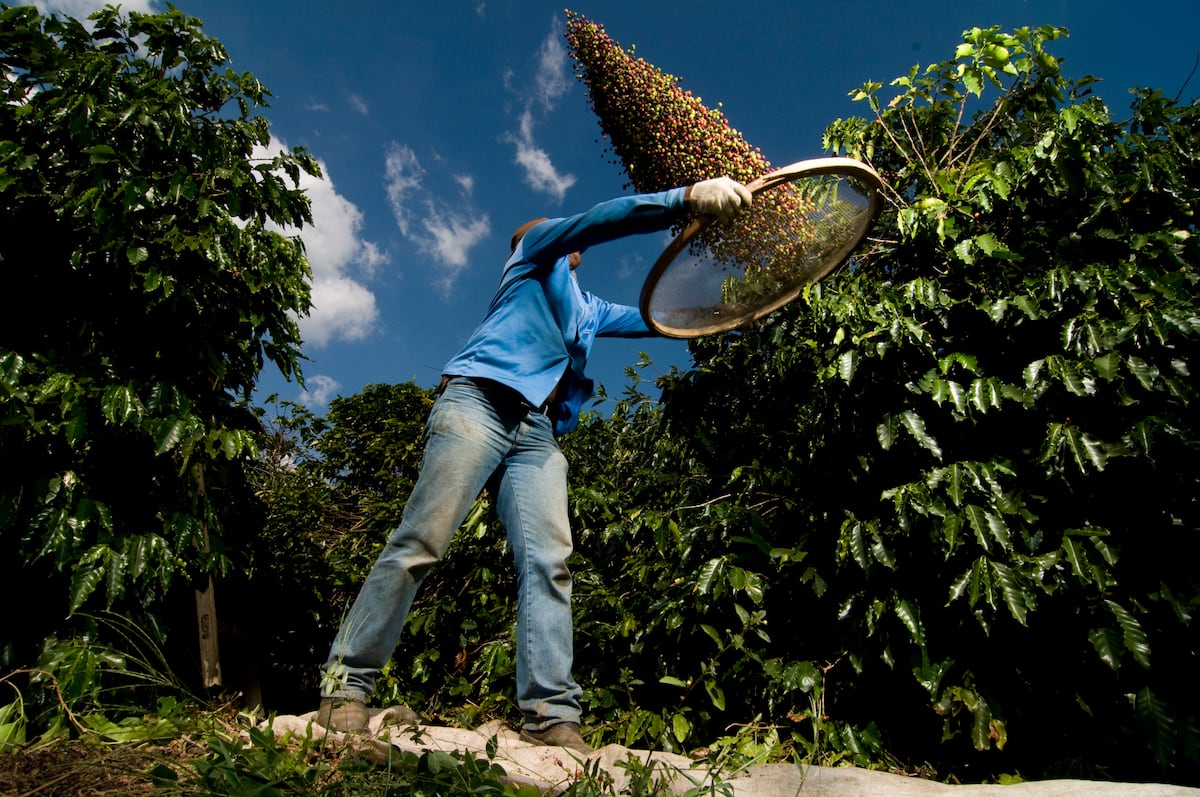
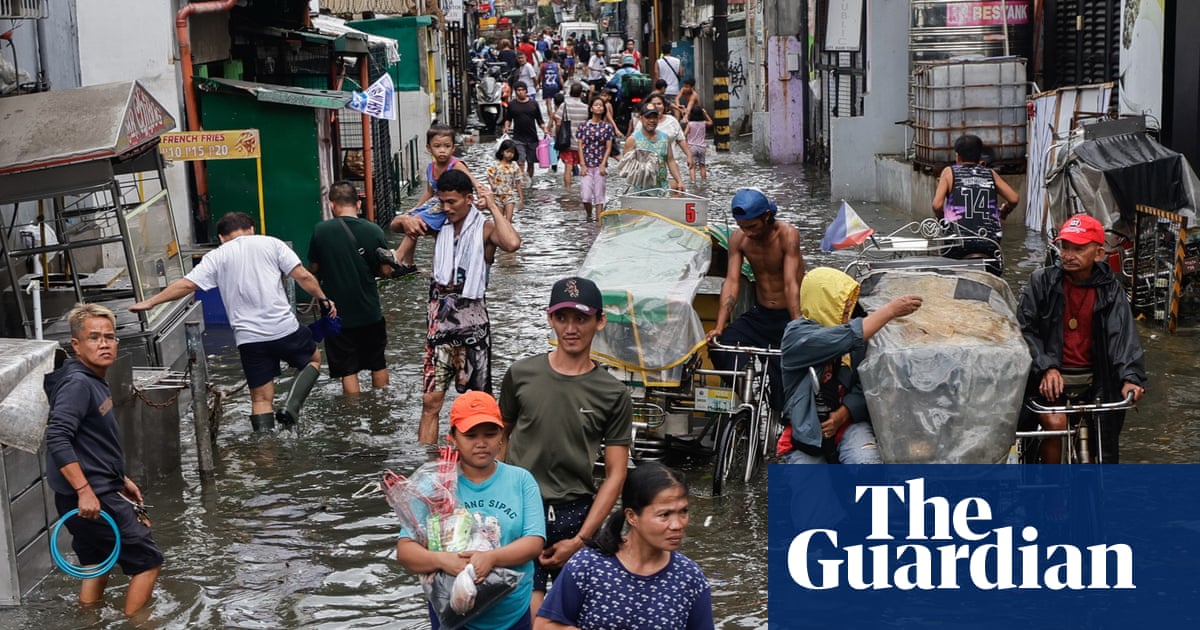
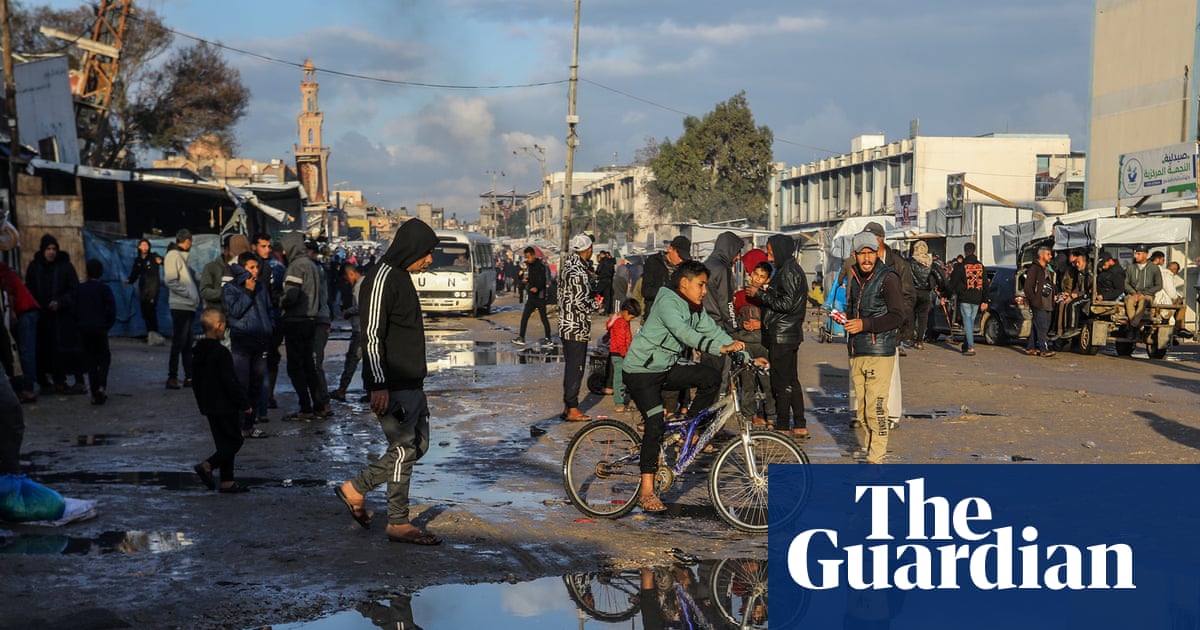
Already, 2026 is proving to be a challenging year for global hunger. Last year, the global development sector faced enormous upheavals, with the United States and other donor countries slashing aid budgets even as low-income countries struggled with debt burdens. Steep aid cuts have exacerbated existing food security crises-whether from Russia's war with Ukraine disrupting international food supplies or farmers losing tens of billions of dollars due to climate change.
We begin with a deliberately ambitious question. What would it take for every person on Earth to live at least as well as someone in Switzerland does today-by 2100? Not culturally Swiss, but economically empowered with high incomes, long lives, strong education, and social cohesion. Achieving this would require global GDP to be about 8.5 times higher than it is today. That figure alone is enough to trigger skepticism. Will we have enough energy, materials, food, and innovation?
The global attack on nature is threatening the UK's national security, government intelligence chiefs have warned, as the increasingly likely collapse of vitally important natural systems would bring mass migration, food shortages and price rises, and global disorder. Food supplies are particularly at risk, as without significant increases, the UK would be unable to compete with other nations for scarce resources, a report to ministers warns.
Food policy across much of the world is changing. But not in Britain. That may be a costly mistake as the prices of essentials rise because of the climate emergency, geopolitical tensions and the fragility of just-in-time supply chains. Many capitals are now reviving their strategic food reserves. European nations such as Sweden, Finland, Norway and Germany are rebuilding stocks dismantled after the cold war.
Maui's lush landscapes have drawn visitors for decades, but now what comes from the aina (land) is also attracting attention. As the island continues to recover from the 2023 wildfires and a 20.7% drop in tourism between July 2023 and July 2025, more Maui farm owners are opening their fields and facilities to visitors. Farm tours offer educational, entertaining and enriching experiences that offset the high cost of farming and help stimulate the island's economic recovery.
One good way to help out this season is to partner with United Way of NYC, an organization with over 87 years of dedicated service. The nonprofit focuses on creating sustainable growth by addressing critical issues such as health, education and food security. Volunteers can help out by donating supplies like hygiene kits, school supplies, making financial donations or donating their time at one of the group's many toy drives.
J ulian Canadien, a Dene man from Kakisa, Northwest Territories, is swarmed by black flies while he pulls weeds from the soil beneath his feet. The bugs don't bother him much. He's the only paid employee at the community garden, where his job is to prune and clear the rows of vegetables, water the produce, and churn the compost. And he likes his job.
A door about a hand's width opens into the frigid facility that protects the seeds that may one day play a fundamental role in the event of droughts, pests, floods, or the many other disasters that can ravage the earth and, consequently, the food supply for people and animals. Ukraine possesses an immense collection of biodiversity that cannot be found anywhere else. Who knows how useful it may be to us in the future. Its qualities can still be explored; it is like a treasure.
For their new meta-analysis, researchers analysed and compared data from different studies where crops were grown at various CO2 levels, both indoors and outdoors. They looked at 43 edible crops in total, including rice, barley, potatoes, tomatoes, wheat, soybeans, peanuts and lettuce. According to the analysis, when the CO2 level doubles, so too does the detrimental effect on the nutrients in the crops.
The shelves at Toronto Council Fire Native Cultural Centre's food bank haven't been as stocked up as they used to be, but the need is greater than it's ever been, it says. And now the centre at Dundas Street and Parliament Street is one of the spots that fears losing funding after this year's federal budget left key reconciliation programs without guaranteed money beyond spring 2026.
American agriculture is facing a crisis. The average U.S. farmer is nearly 60, and according to American Farmland Trust research, we are losing farmland at a rate of more than 2,000 acres per day. Yet, consumer demand for organic and regenerative food continues to climb, creating an urgent need. This is not just an agricultural issue. It is an economic and cultural challenge with profound implications for our food security, our environment, and our communities.
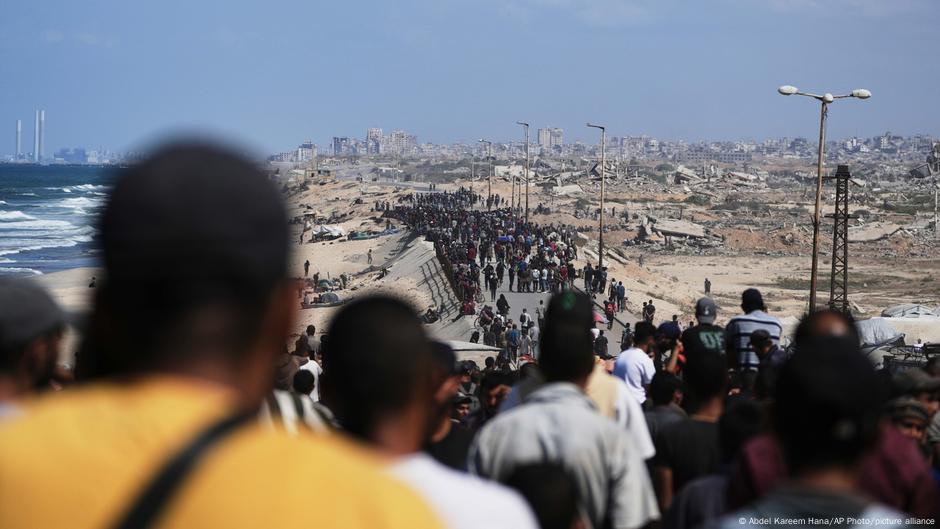
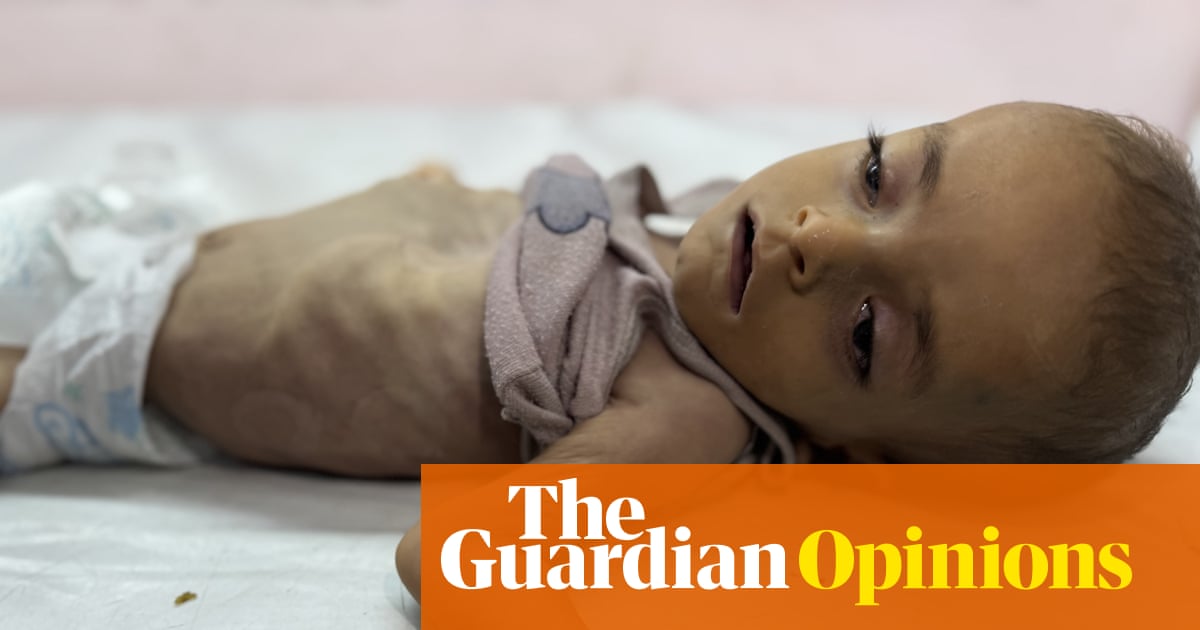
Around 560 tonnes of food have entered the Gaza Strip every day since the US-brokered ceasefire came into effect last Friday, but levels in the first week have been described as a "trickle - not the flood needed". UN humanitarian affairs chief Tom Fletcher has said thousands of aid vehicles would have to enter weekly to tackle widespread malnutrition, homelessness and a collapse of infrastructure.
Scientists have devised a food supplement for bees that they say will have a wide-reaching effect on global food security. The experts say the yeast strain will help honeybees live longer as intensive farming and the climate crisis rob the insects of flowers and pollen. It is hoped the breakthrough will stem the decline in populations of wild bees, which are important pollinators. They help contribute to the production of at least 70 per cent of major global crops such as almonds, apples and cherries.
Humans' collective prospects as a species don't look great. By 2050, the global population will hit an estimated 9.7 billion, meaning there will be 1.5 billion more mouths to feed than today. Demand for animal-derived protein, with its high environmental price tag, is predicted to rise faster still. Global temperatures and atmospheric greenhouse-gas concentrations are still increasing, tree cover is shrinking, oceans are acidifying, agricultural land is being lost to salinization, and extreme weather events are becoming more frequent.
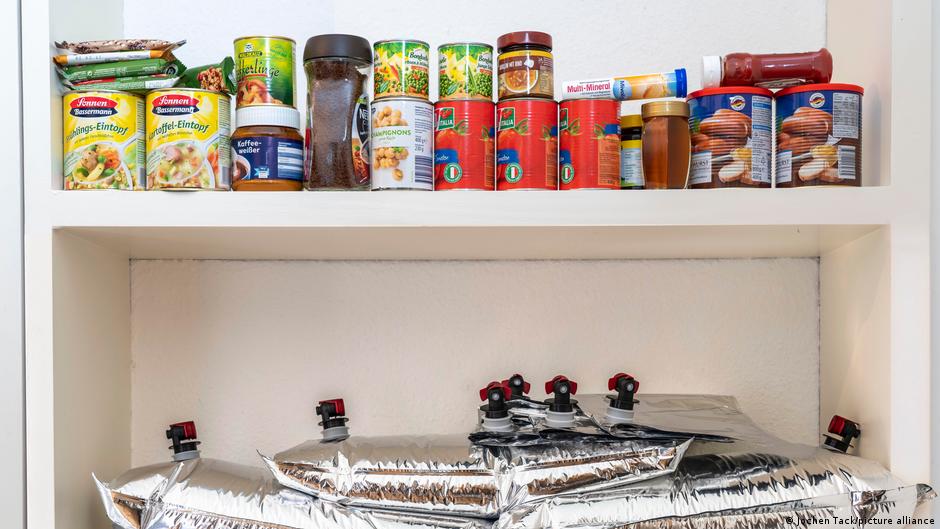
The government is advising UK households to stock up on tinned food, water, medicine, and pet food in anticipation of potential threats or emergencies.
"It is deeply troubling that the EU has become more dependent on phosphorus from Russian mines," says Pär Larshans, Chief Sustainability Officer at the Ragn-Sells Group.
"When it rains in Indonesia, you see the sap flow through the sculpture in real time. When the air quality shifts, the flows respond. During a heatwave, the tree visibly struggles. This real-time installation reveals just how fragile the cacao supply chain has become."
Nearly 500 metric tons of emergency food, enough to feed about 1.5 million children for a week, are set to expire, as the Trump administration has ordered its incineration instead of distribution. This food was intended for children in Afghanistan and Pakistan, and its loss represents a significant waste of resources amid ongoing humanitarian needs.
Rollins stated, 'There are 34 million able-bodied adults in our Medicaid program. There are plenty of workers in America, but we just have to make sure we are not compromising today.'