#ftc-lawsuit
#ftc-lawsuit
[ follow ]
#consumer-protection #antitrust #meta #amazon-prime #ticketmaster #dark-patterns #bots-act #ticket-scalping



fromTheWrap
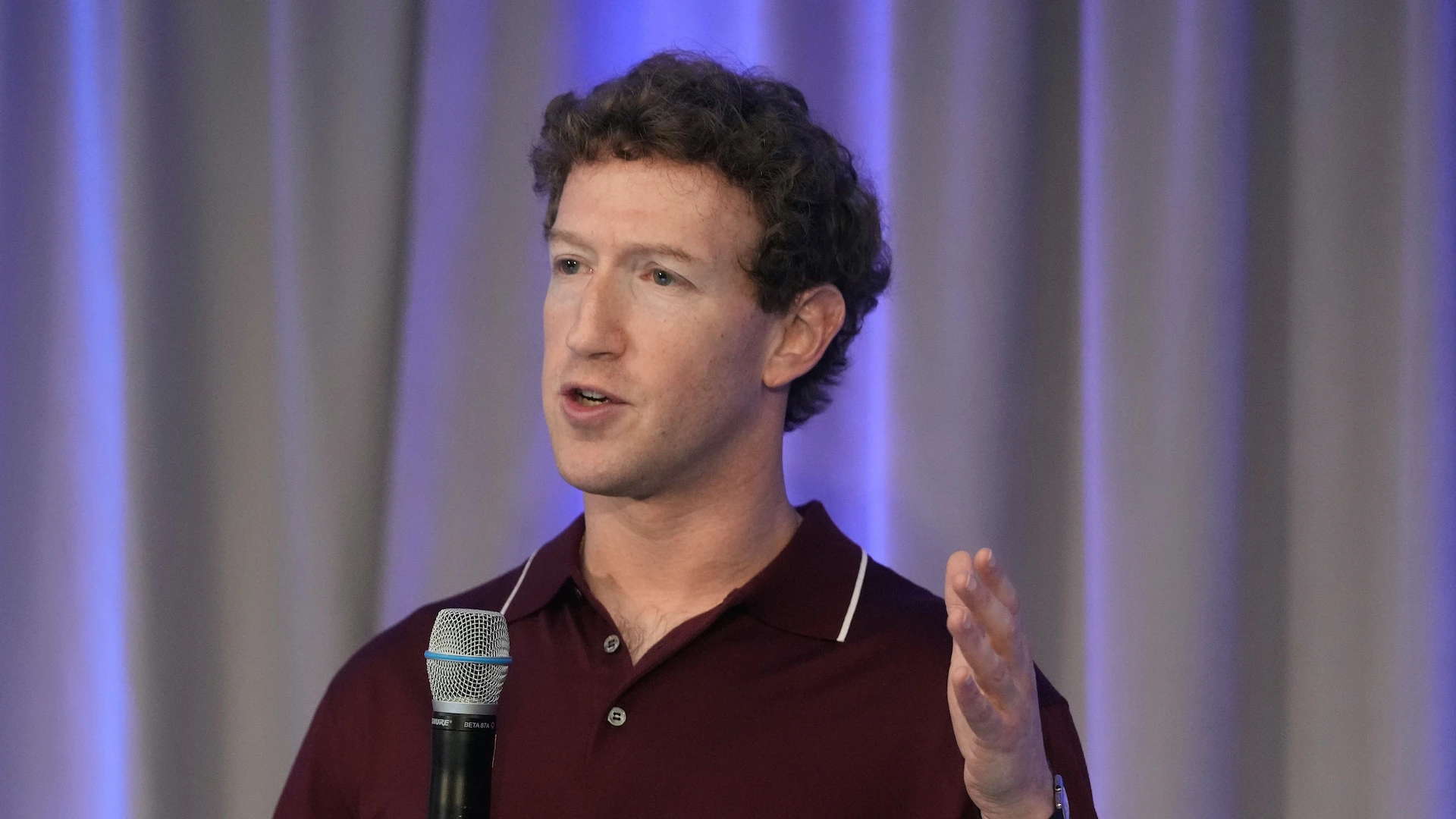
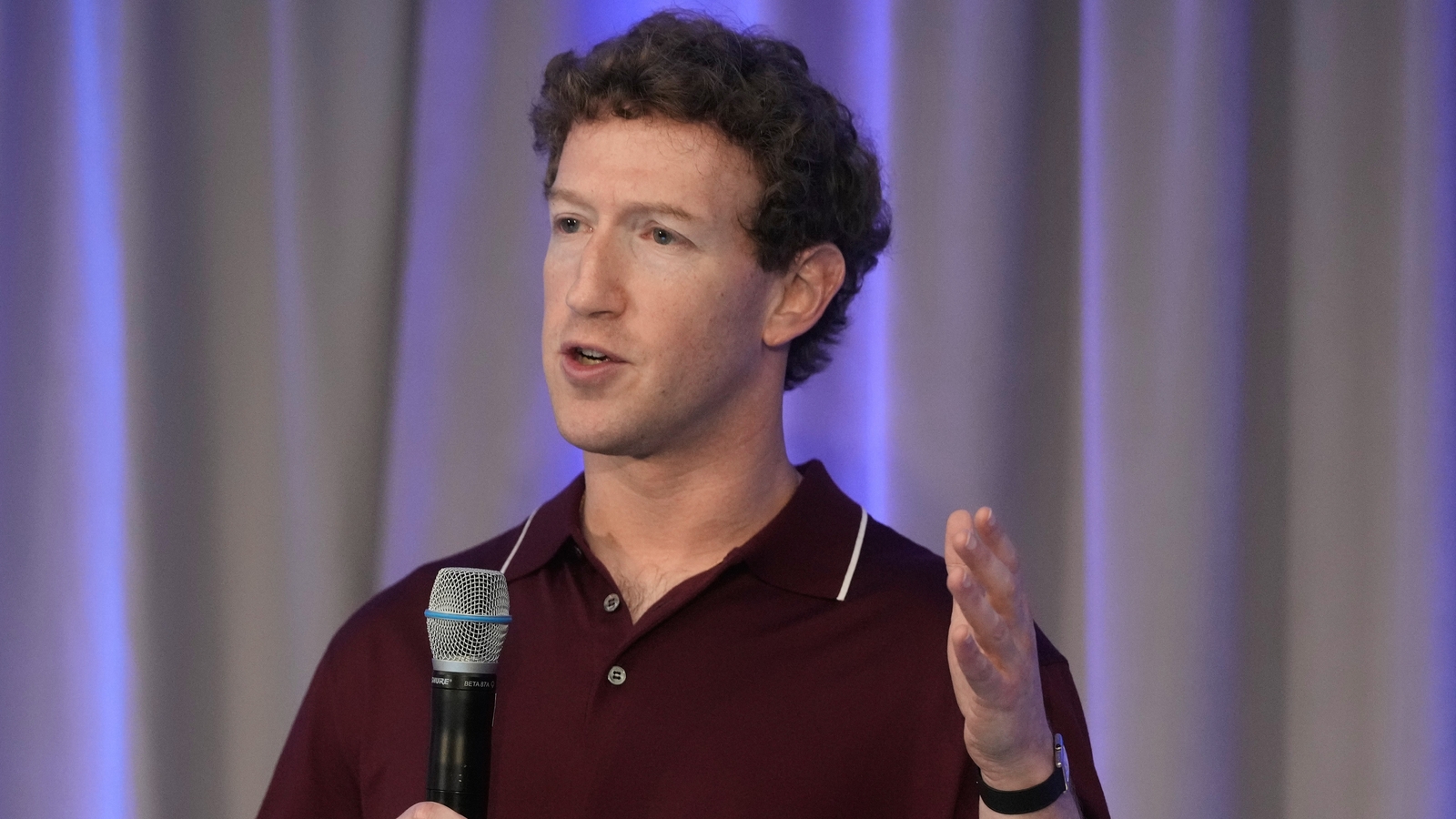
5 months agoMeta Wins FTC Antitrust Case Over WhatsApp, Instagram Acquisitions
With apps surging and receding, chasing one craze and moving on from others, and adding new features with each passing year, the FTC has understandably struggled to fix the boundaries of Meta's product market. Even so, it continues to insist that Meta competes with the same old rivals it has for the last decade, that the company holds a monopoly among that small set, and that it maintained that monopoly through anticompetitive acquisitions,
Law







fromThe Cyber Express
7 months agoFTC Sues Sendit App, CEO Over Illegal Children's Data Collection
The Federal Trade Commission (FTC) has filed a complaint against social app Sendit and its CEO Hunter Rice, alleging that the company unlawfully harvested children's data, misled users about privacy protections, and violated federal children's privacy law. The complaint, lodged in the U.S. District Court for the Central District of California, accuses the app's parent company, Iconic Hearts, of building its business on deceptive practices while targeting one of the most vulnerable demographics online: children under 13.
Privacy professionals







fromFortune
7 months agoAmazon's famed 'Customer Obsession' credo is on trial this month | Fortune
At Amazon, "Leaders start with the customer and work backwards. They work vigorously to earn and keep customer trust. Although leaders pay attention to competitors, they obsess over customers." That description-with parts bolded for emphasis by this reporter-sits at the top of a webpage on Amazon's corporate jobs site under a subtitle that reads "Customer Obsession," which is the first and most famous Leadership Principle that Amazon has long said should guide how its employees act.
Business
fromwww.sandiegouniontribune.com
8 months agoFTC sues LA Fitness operators for exceedingly difficult' gym cancellation policies
The U.S. Federal Trade Commission is suing the operators of LA Fitness, over allegations that they make it exceedingly difficult for consumers to cancel gym memberships and other related services offered in their clubs nationwide. In a Wednesday complaint, the FTC accused Fitness International and its subsidiary Fitness & Sports Clubs of illegally charging consumers hundreds of millions of dollars in unwanted recurring fees as a result of cumbersome cancellation processes.
Law


fromConsequence
8 months agoFTC Sues Ticket Broker in Scalping Ring Profiting Millions from "Eras Tour"
The Maryland-based ticket broker Key Investment Group is accused of violating the Better Online Ticket Sales Act by bypassing Ticketmaster's security protocols and reselling tickets at a marked-up price.
E-Commerce
Marketing tech
fromYahoo Finance
1 year agoMeta beats Q1 earnings estimates, offers strong Q2 outlook despite fears of tariff-influenced ad slowdown
Meta exceeded earnings expectations in Q1 2024 despite threats of an advertising slowdown.
The company forecasts higher revenue for Q2, surpassing analyst predictions.
[ Load more ]