#genomics
#genomics
[ follow ]
#archaeology #artificial-intelligence #human-genome #synthetic-biology #dna #machine-learning #bioinformatics #ai
fromNature
6 days agoRoman Empire's collapse created a genetic melting pot in Europe
The findings, published today in Nature, rebut popular ideas of northern barbarian tribes overrunning Roman territory. Instead, they point to gradual genetic and cultural shifts that occurred through small-scale migration and intermarriage.
History
fromTNW | Artificial-Intelligence
2 weeks agoOpenAI launches GPT-Rosalind, an AI model for life sciences research
GPT-Rosalind is designed to support evidence synthesis, hypothesis generation, experimental planning, and multi-step scientific workflows across biochemistry, genomics, and protein engineering.
Medicine
fromNature
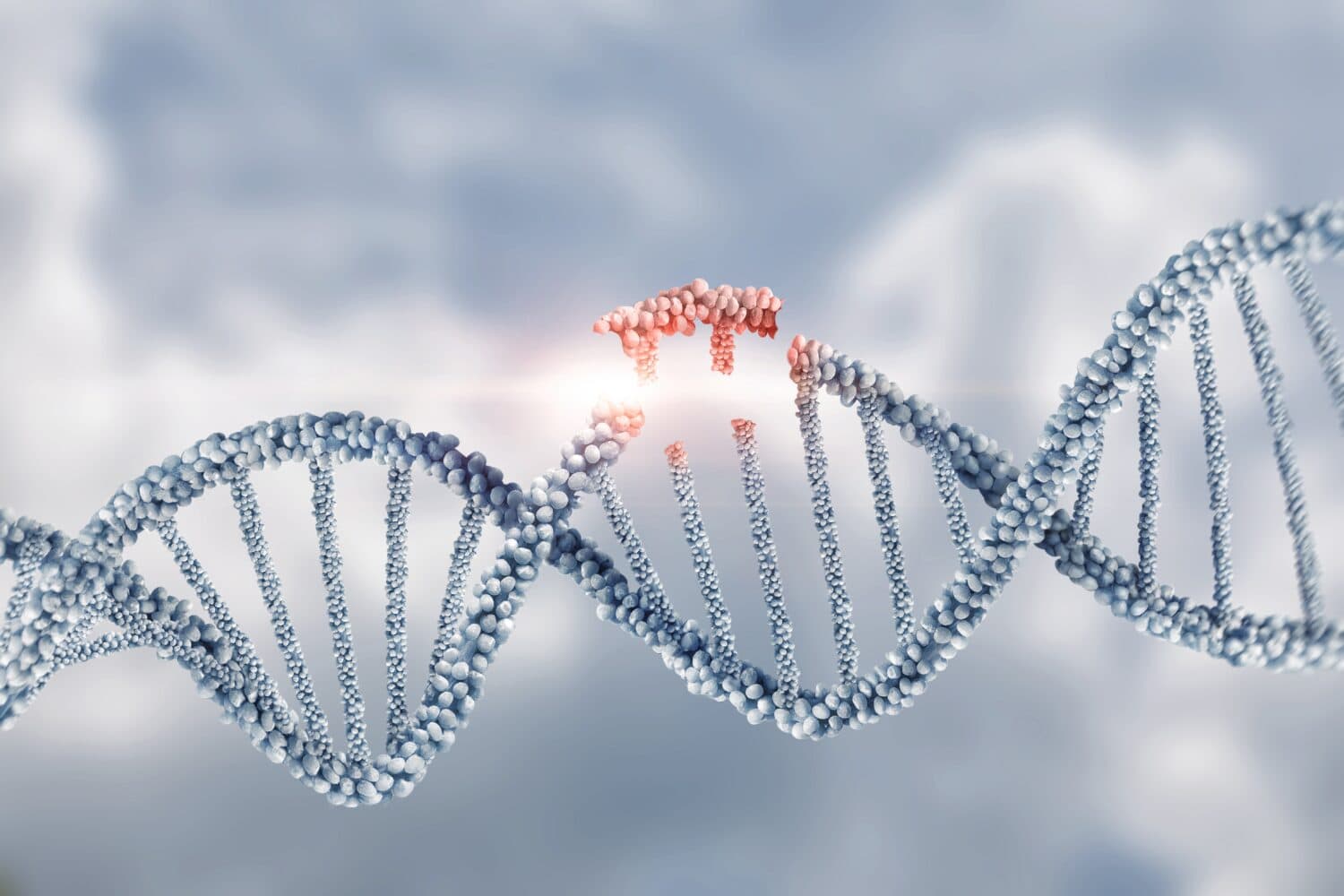
1 month agoThe 1000 Chinese Pangenome empowers medical and population genetics - Nature
Recent advancements in long-read sequencing technology and assembly algorithms have enabled the generation of high-quality diploid genome assemblies, which provide a more comprehensive view of complex variants and enhance our understanding of their formation mechanisms and functional consequences.
Science
Healthcare
fromLondon Business News | Londonlovesbusiness.com
1 month agoBupa to offer preventative care to customers before illness strikes - London Business News | Londonlovesbusiness.com
Bupa introduces 'Prevention Pathways' for proactive healthcare, targeting serious conditions before symptoms arise, benefiting over 200,000 customers by 2027.
fromNews Center
2 months agoNew Computational Biology Track Added to PhD Graduate Program - News Center
A new PhD track is being added to the Walter S. and Lucienne Driskill Graduate Program in Life Sciences ( DGP) for the 2026 application cycle, to enhance student learning and build community around computational biology and bioinformatics at Feinberg. The computational biology and bioinformatics (CBB) track in the graduate program will prepare students through coursework and lectures to use modern computational approaches, including machine learning and artificial intelligence, to extract biological insight from large-scale datasets to address complex biological problems.
Data science


fromwww.bbc.com
3 months agoAI model from Google's DeepMind reads recipe for life in DNA
Called AlphaGenome, the model could help scientists discover why subtle differences in our DNA put us at risk of conditions such as high blood pressure, dementia and obesity. It could also dramatically accelerate our understanding of genetic diseases and cancer. The developers of the model acknowledge it's not perfect, but experts have described it as "an incredible feat" and "a major milestone".
Science
fromwww.cbc.ca
3 months agoNew project aims to map genomes of Black Canadians, provide better health outcomes | CBC News
In her 10 years as a health-care administrator, Cheryl Prescod has seen firsthand the ways Black Canadians can feel left behind by the blanket approach sometimes taken by the country's health-care system. As executive director at the Black Creek Community Health Centre in Toronto's Jane and Finch neighbourhood. Prescod serves a diverse clientele, including a large proportion of Black and racialized individuals people who say it can be difficult to access health care that makes them feel safe and culturally respected.
Public health
fromNature
4 months agoThe Nature Podcast highlights of 2025
Researchers have created a 'pangenome' containing the genomes of multiple potato types, something they believe can help make it easier to breed and sequence new varieties. The potato's complicated genetics has made it difficult to sequence the plant's genome, but improvements in technology have allowed the team to combine sequences, allowing them to look for subtle differences in between varieties.
Science
Public health
fromwww.theguardian.com
4 months agoMeet Dr Happi. With $100m and a steely determination could he save the world from the next pandemic?
Scientists Christian Happi and Pardis Sabeti built Sentinel, a genomics-based early warning network that identifies outbreaks and empowers African scientists amid shrinking global health funding.
fromwww.theguardian.com
4 months agoChanges to polar bear DNA could help them adapt to global heating, study finds
Now scientists at the University of East Anglia have found that some genes related to heat stress, ageing and metabolism are behaving differently in polar bears living in south-east Greenland, suggesting they may be adjusting to warmer conditions. The researchers analysed blood samples taken from polar bears in two regions of Greenland and compared jumping genes: small, mobile pieces of the genome that can influence how other genes work. Scientists looked at the genes in relation to temperatures in the two regions and at the associated changes in gene expression.
Environment
fromwww.nature.com
5 months agoAuthor Correction: Evidence for improved DNA repair in the long-lived bowhead whale
Full text for the reported correction and underlying study was not provided. Exact, verbatim quotes cannot be extracted without the article body or correction text. Please supply the article PDF, DOI, or the corrected text so that two to four precise extractable quotes (each ~60–85 words) can be returned verbatim from the source.
fromwww.nature.com
5 months agoThe new frontier in understanding human and mammalian brain development
Gidziela, A. et al. A meta-analysis of genetic effects associated with neurodevelopmental disorders and co-occurring conditions. Nat. Hum. Behav. 7, 642656 (2023). PubMed PubMed Central Google Scholar Buescher, A. V. S., Cidav, Z., Knapp, M. & Mandell, D. S. Costs of autism spectrum disorders in the United Kingdom and the United States. JAMA Pediatr. 168, 721728 (2014). PubMed Google Scholar
Science
fromNature
7 months agoHELIOS: a microcosm of Asian health with global reach
Longitudinal studies - which follow individuals to collect data about health, lifestyle and environment over a period of months, years or even decades - have helped researchers understand disease risk, inform prevention strategies and improve public health planning. But the majority of large-scale longitudinal research has historically taken place in Europe or North America, meaning many populations remain under-represented in the data. A new generation of longitudinal studies is aiming to better reflect population diversity - not just by recruiting from underserved groups, but by embedding community involvement, local scientific leadership and context-specific questions into their design.
Public health

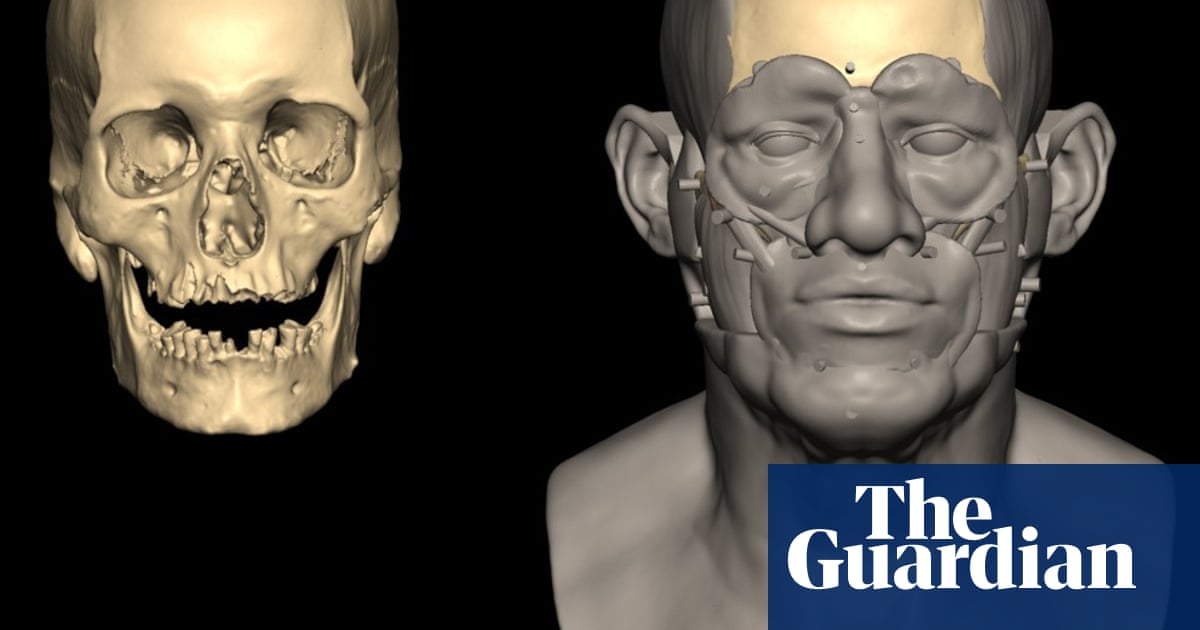
fromwww.theguardian.com
10 months agoUK scientists to synthesise human genome to learn more about how DNA works
The Synthetic Human Genome project aims to build human genetic material from scratch over the next five years to advance medical therapies by understanding DNA better.
Artificial intelligence
Women in technology
fromwww.berkeleyside.org
11 months agoNew Berkeley Lab supercomputer named after Nobel laureate will power AI and scientific research
A new supercomputer named Doudna will enhance AI and genomic research at Berkeley Lab, honoring Nobel laureate Jennifer Doudna.
The Doudna supercomputer, built by Dell, aims to facilitate significant scientific discoveries and advancements in genomics.
[ Load more ]