#global-trade-dynamics
#global-trade-dynamics
[ follow ]
#tariffs #trade-policy #economic-growth #trade-agreements #supply-chains #global-economy #trade-war #china


#tariffs



US politics
fromenglish.elpais.com
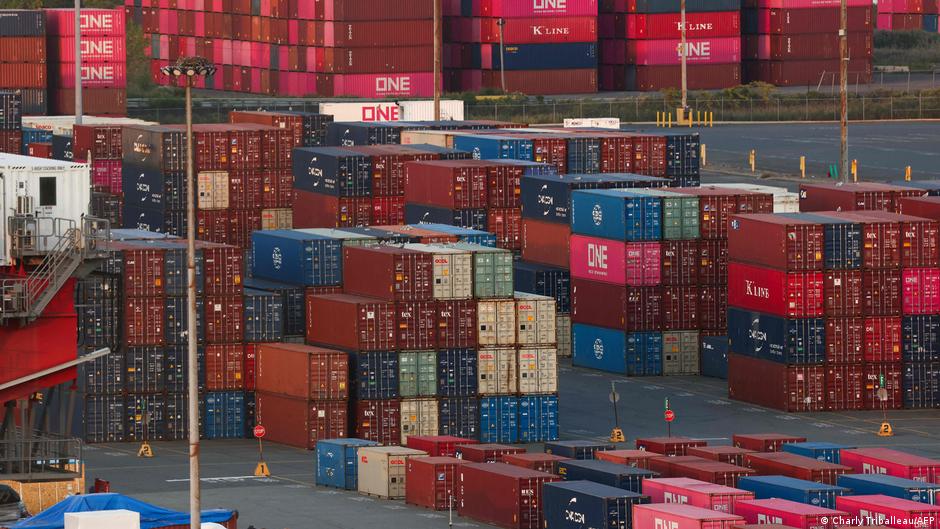
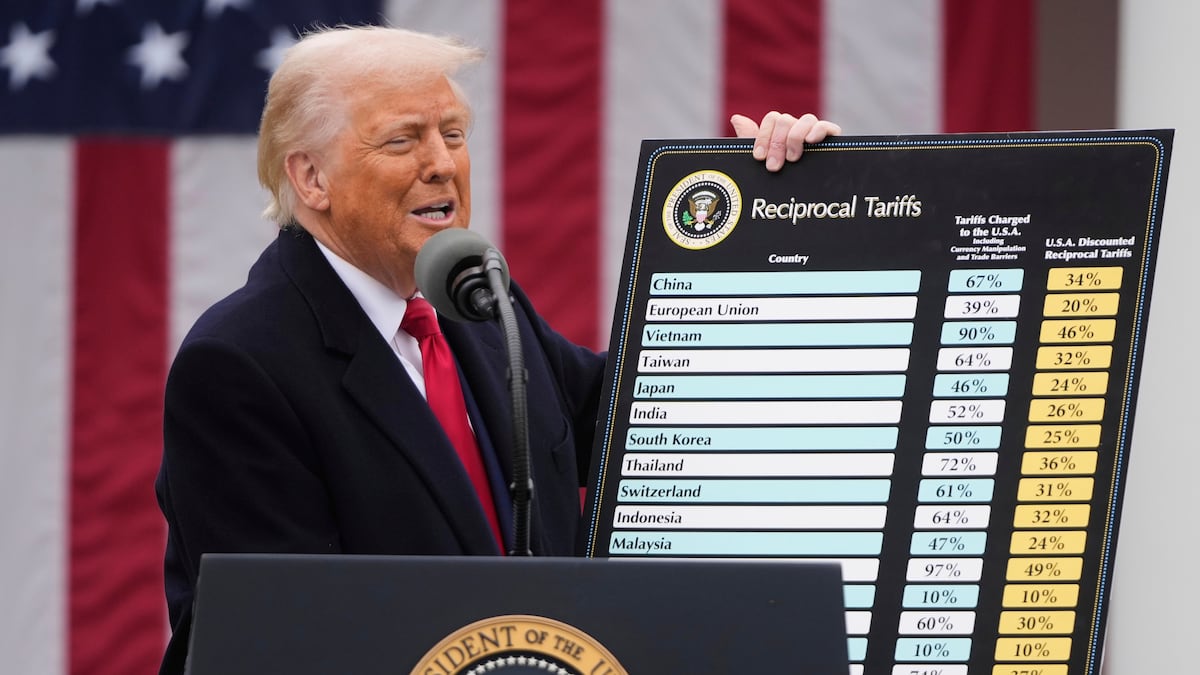
1 month agoThese are the (many) countries that stand to gain from the Supreme Court ruling overturning Trump's tariffs
Supreme Court struck down broad US reciprocal tariffs as unconstitutional; the president imposed a temporary global 10% tariff under Section 122 of the Trade Act.

fromThe Cipher Brief
2 days agoTaking a Stand on Adversaries' Influence in the Western Hemisphere
The January 3rd Operation Absolute Resolve ousted Venezuelan Dictator Nicholas Maduro, marking a significant shift in US policy towards countering adversarial influence in the western hemisphere.
World politics
fromTNW | Asia
4 days agoSouth Korea turns to Russian naphtha as chip supply chain faces Middle East crisis
South Korea imports about 45 percent of its naphtha, a critical petrochemical feedstock, with roughly 77 percent of those imports historically arriving from the Middle East. That supply line is now, for all practical purposes, severed.
World news
#china
European startups
fromFortune
2 weeks agoChina is becoming a 'factory to the factories,' powering global manufacturing in places like Southeast Asia even as U.S. trade declines | Fortune
China is increasing exports of industrial components while consumer goods exports decline, reshaping global supply chains.
fromwww.aljazeera.com
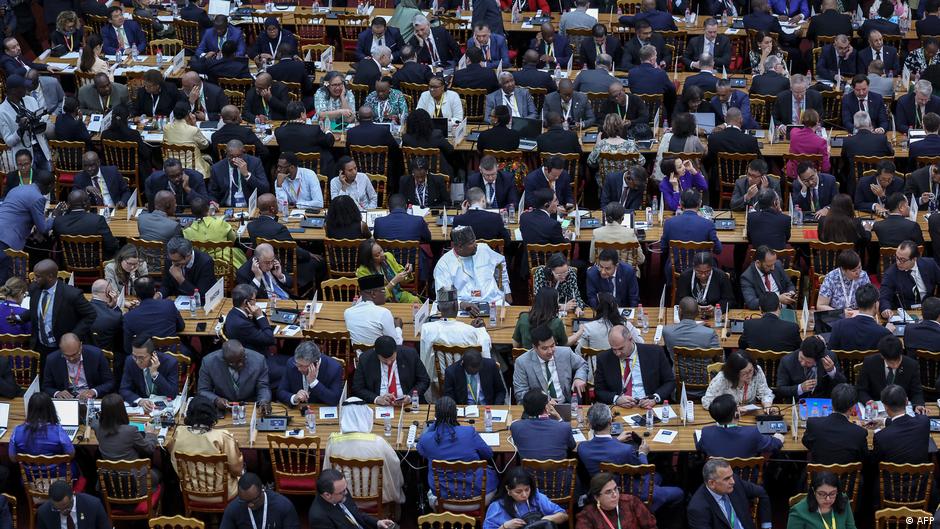
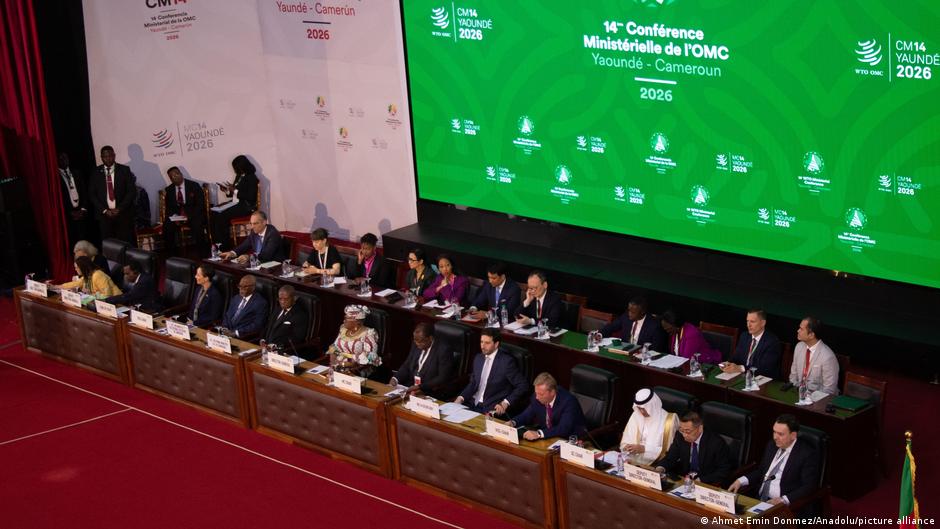
5 days agoG7 ready to take necessary measures' to ensure energy market stability
We stand ready to take all necessary measures in close coordination with our partners, including to preserve the stability and security of the energy market, said the G7 in a statement after a teleconference.
World news
#eu-mercosur
Europe politics
fromFortune
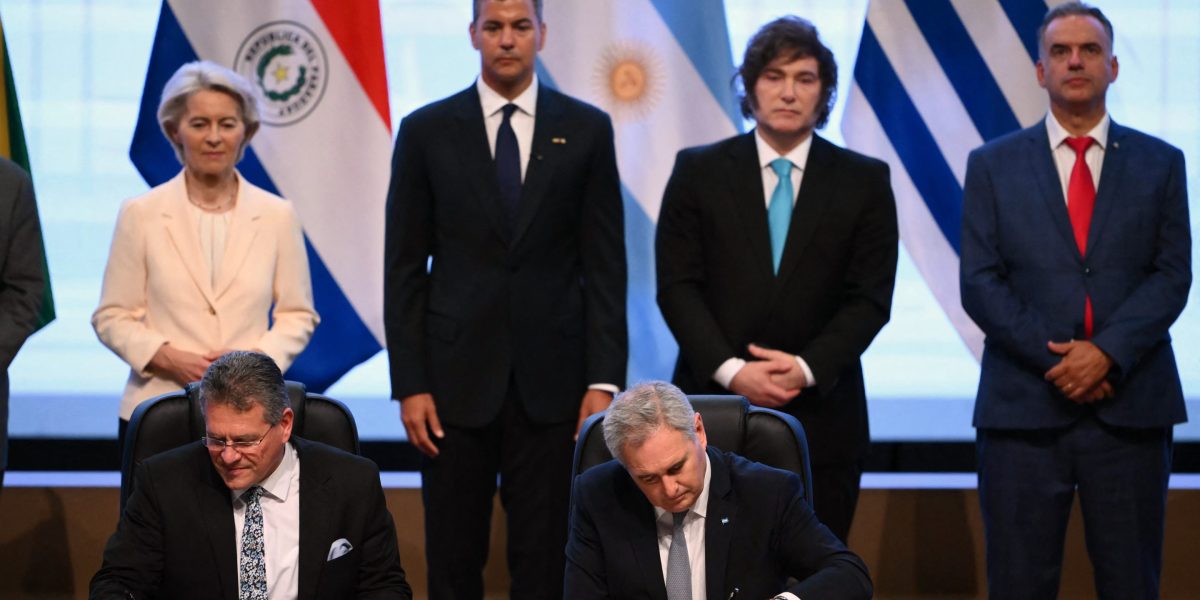
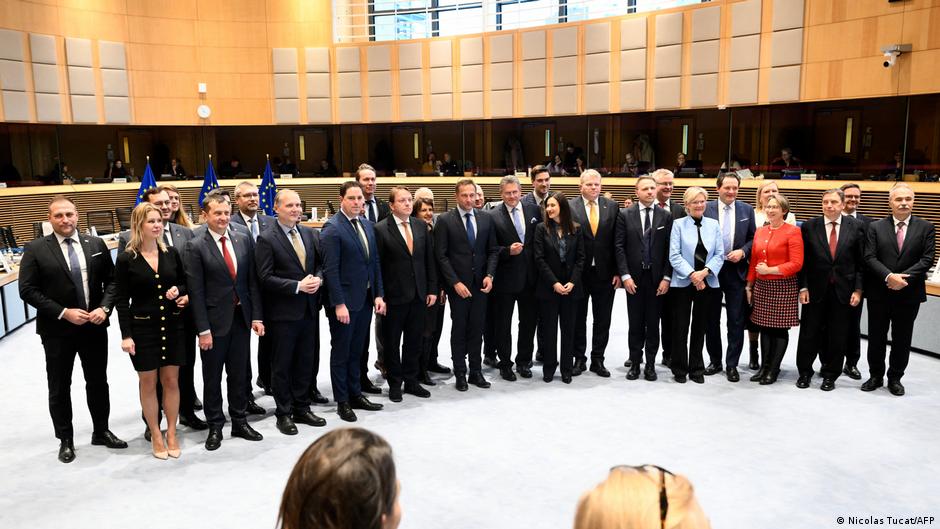
1 week agoAfter 25 years of negotiations, the EU finally signs the EU-Mercosur deal, the biggest trade deal in history linking 700 million people | Fortune
The EU-Mercosur free trade deal will begin on May 1, enhancing trade among 700 million people and reducing dependency on China and the US.

Europe politics
fromFortune
1 week agoAfter 25 years of negotiations, the EU finally signs the EU-Mercosur deal, the biggest trade deal in history linking 700 million people | Fortune
The EU-Mercosur free trade deal will begin on May 1, enhancing trade among 700 million people and reducing dependency on China and the US.
fromLondon Business News | Londonlovesbusiness.com
2 weeks agoThe significant events in the global economy over the past week - London Business News | Londonlovesbusiness.com
Weak performance in several service sectors offset gains in retail and wholesale trade, reinforcing concerns about the pace of economic recovery. Japan relies heavily on oil imports from the Middle East, making it particularly sensitive to disruptions in the region.
UK news
#us-china-trade-relations

World news
fromwww.dw.com
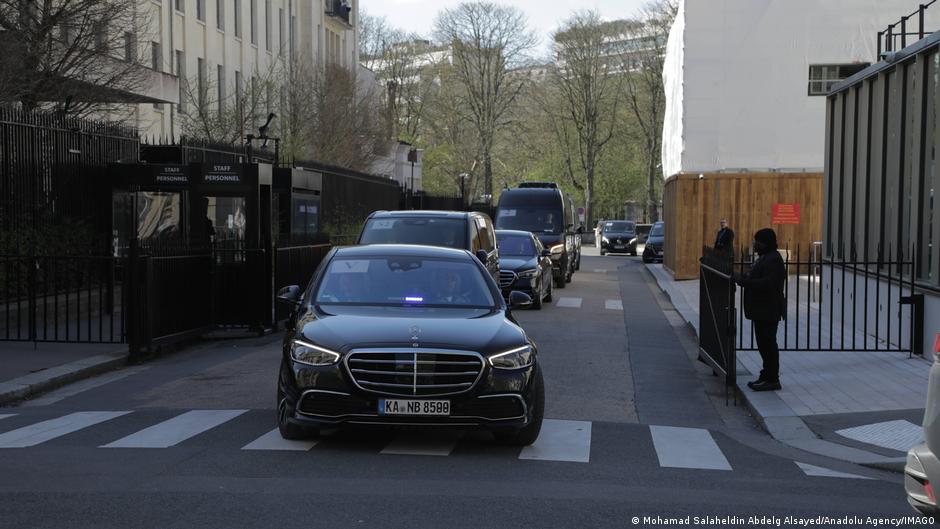
2 weeks agoUS-China trade talks 'stable' despite mutual accusations
US and Chinese trade officials concluded a two-day Paris summit with stable discussions, agreeing on agricultural purchases and proposing new trade boards while disputes over forced labor investigations and Middle East tensions persist.

#trade-investigations
European startups
fromwww.dw.com
3 weeks agoUS trade probes could lead to new tariffs for EU, China
The US launched two trade investigations targeting excess industrial capacity and forced labor imports, potentially leading to new tariffs on major trading partners after the Supreme Court limited Trump's tariff authority.
World politics
fromFortune
2 weeks agoAsia scrambles to respond to Trump's sweeping Section 301 trade probes, which could pave the way for new tariffs | Fortune
The U.S. launched two broad Section 301 trade investigations covering 60 countries, including major trading partners, citing excess manufacturing capacity and inadequate forced labor enforcement.
US politics
fromFortune
1 month agoTrump brags that America is 'winning so much.' Without tariffs, "we could have seen more of the good news," IMF director says. | Fortune
The U.S. economy shows strong growth and resilience, but chronic budget deficits and tariff-based trade policies threaten its long-term fiscal health.

fromEntrepreneur
1 month agoWhy Global Brands Struggle When Local Markets Push Back
Companies enter new markets with momentum. Press coverage looks promising. Campaigns launch on schedule. Local teams are hired. Early dashboards suggest traction. Then progress slows. Customer interest plateaus. Partnerships take longer than expected. Internally, the conversation almost always turns to execution. Messaging must not be clear enough. The market probably needs more education. What I have learned is that this conclusion is usually wrong. What looks like market resistance is more often a signal that the brand is communicating from the wrong position.
Venture
fromFortune
2 months ago'The Chinese have invaded us in terms of merchandise': Mexico and Argentina lead Latin America's struggles with flood of imports | Fortune
China has been flooding Latin American markets with low-priced exports, especially autos and e-commerce goods, as its exporters adjust to U.S. President Donald Trump's tariffs and geopolitical moves. The world's second-largest economy has become a major trading partner for many Latin American nations, seeking access to their abundant natural resources and growing markets while expanding its influence in a region Trump views as America's Backyard.
E-Commerce
fromwww.aljazeera.com
1 month agoHas BRICS given up on challenging Western economic dominance?
Jim O'Neill, the economist who coined the term BRIC' 25 years ago, argues that the group is losing its relevance. At its peak, the BRICS coalition of economies Brazil, Russia, India, China and South Africa was seen as a serious attempt to move away from the United States dollar and the domination of Western economic institutions like the World Bank, Group of Seven (G7), and International Monetary Fund (IMF).
World news

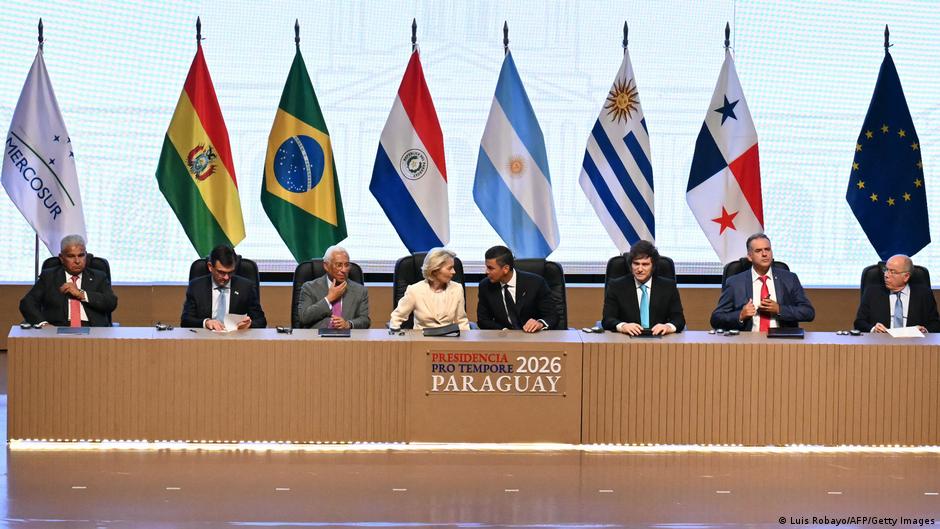
fromFortune
2 months agoEU moves closer to another major Asian power on trade, upgrading ties with Vietnam | Fortune
The upgrade places the EU on the same diplomatic footing as the United States, China and Russia and was announced during a visit to Hanoi by European Council President António Costa. "At a moment when the international rules-based order is under threat from multiple sides, we need to stand side by side as reliable and predictable partners," Costa said, adding that the partnership is about "developing spheres of shared prosperity."
Miscellaneous
World news
fromFortune
2 months agoBRICS could become a new pillar of global governance-if its rapid growth doesn't erode its newfound clout | Fortune
BRICS' rapid expansion risks internal incohesion and failure to reform global governance despite its vast population, resources, and strategic potential.
fromFortune
2 months agoA spectre is haunting Europe - the spectre of Trump. Cue the Asian trade deals | Fortune
Stability. Consistency. Ever-changing complexity. With language like that, deployed in separate meetings in three Asian capitals this week, government leaders forged closer ties driven in part by a figure halfway around the world: the president of the United States. And much of the time, they didn't even mention Donald Trump's name. IN BEIJING: The U.K. and Chinese leaders called Thursday for a "long-term, stable, and comprehensive strategic partnership" between their two countries. The important words are long-term and stable. The two countries committed a decade ago to building a comprehensive strategic partnership but progress has been halting at best.
World politics
fromFortune
2 months agoIndia, EU reach 'mother of all' trade agreements after nearly 20 years of talks | Fortune
After nearly two decades of negotiations, India and the European Union announced Tuesday they have reached a free trade agreement to deepen economic and strategic ties. The accord, which the EU chief described as the "mother of all deals," could affect as many as 2 billion people. The deal between two of the world's biggest markets comes as Washington targets both India and the EU with steep import tariffs, disrupting established trade flows and pushing major economies to seek alternate partnerships.
Miscellaneous
fromwww.theguardian.com
2 months agoIMF warns tariffs and geopolitical tensions threaten markets and global growth
The International Monetary Fund has warned mounting geopolitical tensions and an escalation of Donald Trump's tariff war could hit global economic growth and trigger a backlash in financial markets. In an update as Trump threatens to impose tariffs on Nato allies opposed to his ambitions in Greenland, the Washington-based fund said a renewed eruption in trade tensions was among the biggest risks to global growth in 2026.
World news
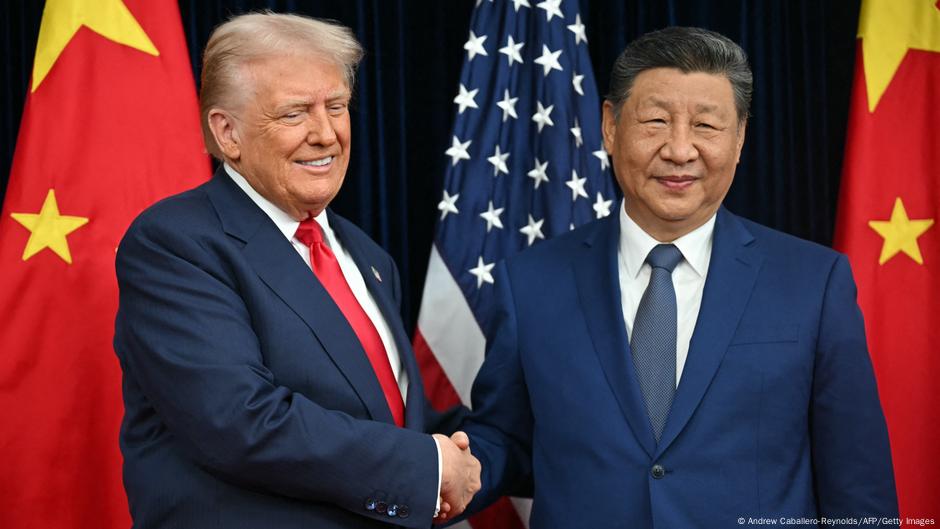
fromThe Cipher Brief
2 months agoWhat U.S. - China Cooperation Means for the World
Of all countries, China should appreciate the need to stop Mr. Maduro from smuggling these illicit drugs into the U.S., killing tens of thousands of Americans. China experienced this in the Opium War of 1839-1842, when Great Britain forced opium on China, despite government protestations, resulting in the humiliating Treaty of Nanjing, ceding Hong Kong to Great Britain. Mr. Maduro was violating U.S. laws, in a conspiracy to aid enemies and kill innocent Americans.
World politics
World news
fromwww.theguardian.com
2 months agoAs US influence wanes, the Chinese trade surplus strangles manufacturing across the globe
China's massive trade surplus and export surge are destabilizing the global trading order and straining other countries' manufacturing and international economic institutions.
fromwww.dw.com
2 months agoEU, India secure historic free trade agreement
The deal would forge a market of two billion people and nearly a quarter of global GDP, according to the European Commission. Follow DW for more. EU and India conclude trade negotiations after nearly two decades of on-off negotiationsImage: Altaf Hussain/REUTERS Skip next section What you need to know EU and India have finalized a trade deal after nearly two decades of negotiations
Miscellaneous
fromwww.aljazeera.com
2 months agoWhat role is China playing in global geopolitical transformations?
China's official discourse centres on the idea of peaceful rise, the commitment to non-interference in internal affairs, respect for sovereignty and territorial integrity, and economic partnerships based on mutual benefit. Beijing insists that relations with Washington should not slide into conflict, calling for a system of global governance built on cooperation rather than confrontation. Yet the geopolitical landscape reveals a wide gap between this discourse and reality. Donald Trump's return to the White House has brought back rhetorical escalation and increased geopolitical pressure.
World politics
fromwww.aljazeera.com
2 months agoMother of all deals': How India-EU trade deal creates $27 trillion market
Major agreement reached after 20 years of negotiations and during ongoing tensions with the US. New Delhi, India India and the European Union have signed a free trade agreement that both sides have hailed as the mother of all deals. The agreement, announced on Tuesday, came together over nearly two decades of intermittent negotiations and during a geoeconomic crisis triggered by United States President Donald Trump's trade war.
Miscellaneous
fromwww.aljazeera.com
2 months agoTaiwan says general consensus' reached with US on trade deal
US President Donald Trump announced a 32 percent reciprocal tariff on Taiwanese exports in April, before lowering the rate to 20 percent in August pending further negotiations. Countries have made pledges to boost investments in the US in exchange for tariff relief since Trump launched his trade war last year. Japan and South Korea last year agreed to invest $550bn and $350bn, respectively, to see their tariff rates cut from 25 to 15 percent.
World news
[ Load more ]