As Elle Neubauer drove before dawn past the darkened windows of the immigrant-owned businesses on Lake Street in Minneapolis, her co-pilot and friend Patty O'Keefe scanned the passing vehicles with binoculars, searching for signs of Immigration and Customs Enforcement agents. As the sun rose, more community patrollers arrived on Lake Street, keeping eyes on the Ecuadorean grocery stores, Somali restaurants and Mexican taco shops that line the street.
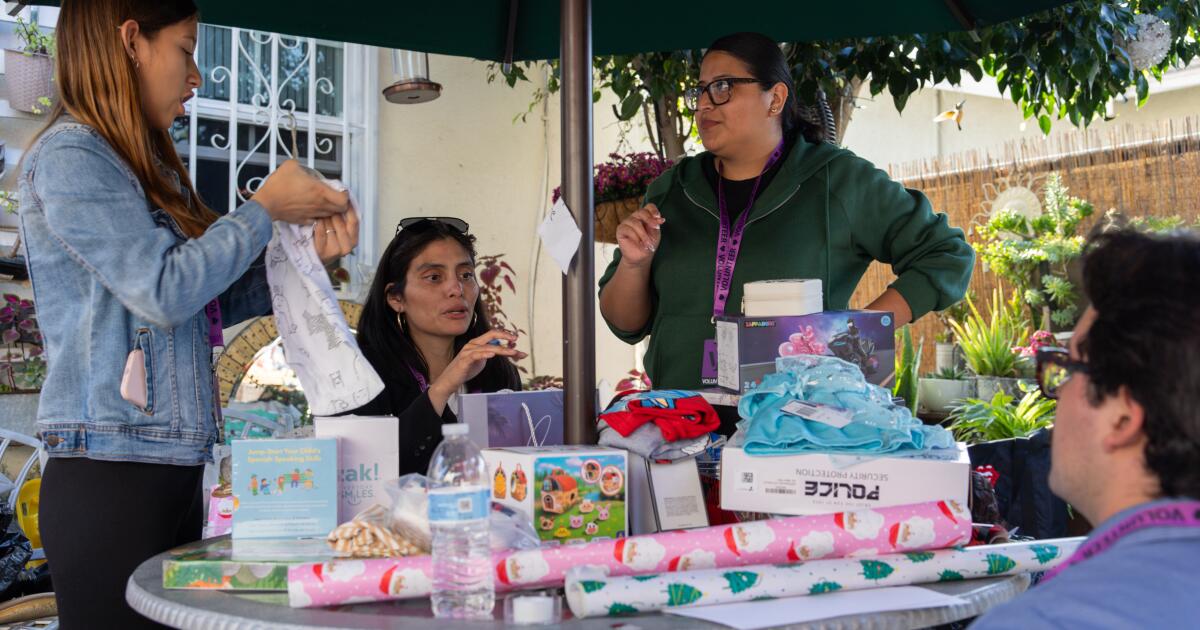
The steady drizzle tested the limits of the string of tarps stretched across the backyard of a Maywood home. Beneath them, dozens of boxes, overflowing with clothes, shoes and toys, lay scattered across the pavement. Each gift was destined for one of more than 50 Southern California homes whose families have been caught in the growing immigration enforcement crackdown. This was not charity bestowed from afar, but mutual aid.
I spend a lot of time in Haitian and immigrant communities across the United States. In Brooklyn, Miami, Chicago, and the Midwest, I keep seeing the same thing: the people keeping their communities informed aren't reporters. They're the pastor who delivers immigration updates before the sermon. The barber who streams local politics on Facebook Live. The neighbor who translates every school notice and distributes it through five different group chats. The teacher who explains American bureaucracy to families who arrived last week.
For immigrant families like hers, Spanish-language news is not simply news translated from English; it's news tailored to their experience, identity, interests and background, explained Garcia, a professor at Cal State Monterey Bay. It doesn't take an expert in bilingual and bicultural education like Garcia to understand what it means for communities when these channels suddenly go dark. KMUV 23, a Telemundo affiliate, was the Central California Coast's only local, Spanish-language television news station.
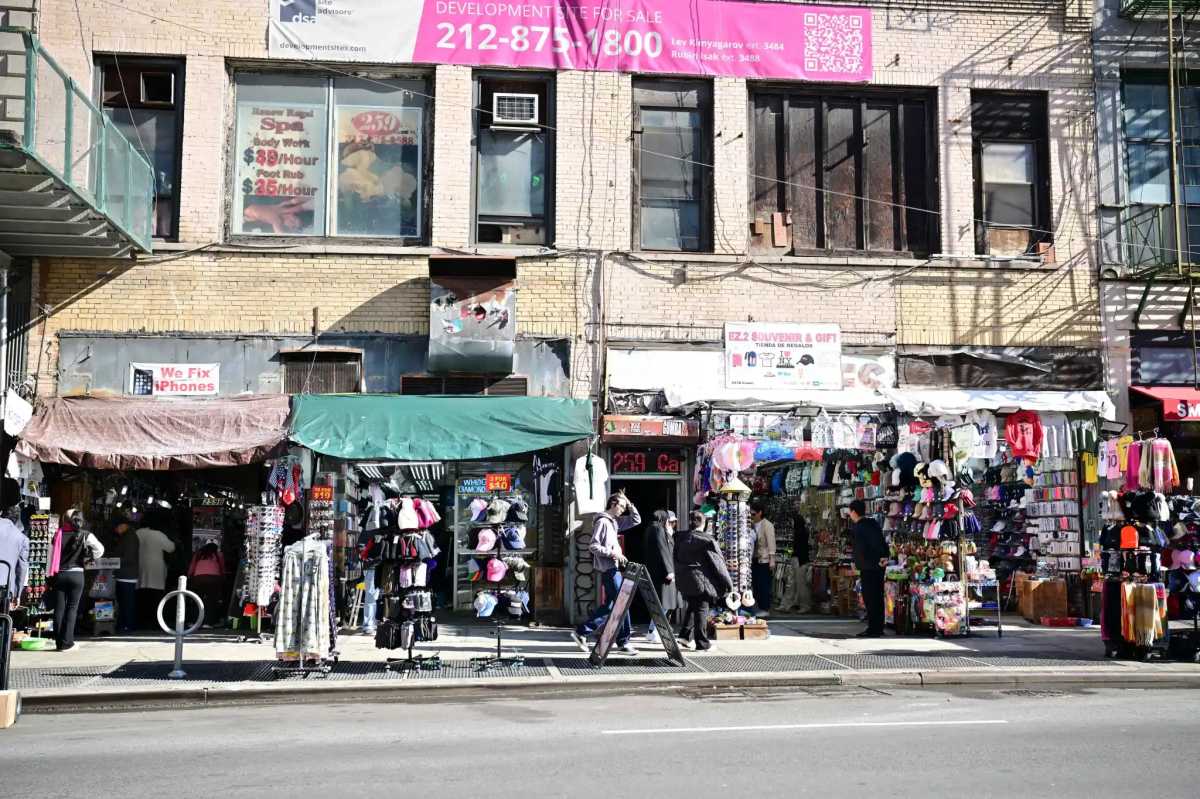
NewsCopter 7 showed arrests taking place between Lafayette and Center streets in Chinatown, an area typically busy with merchants selling T-shirts, handbags, perfumes, and designer knockoffs, as New Yorkers faced off against federal agents. The scene grew chaotic as vendors packed up their tables and attempted to flee, with several people seen running and falling as authorities from multiple agencies, including Homeland Security, ICE, DEA and the FBI, pursued them.
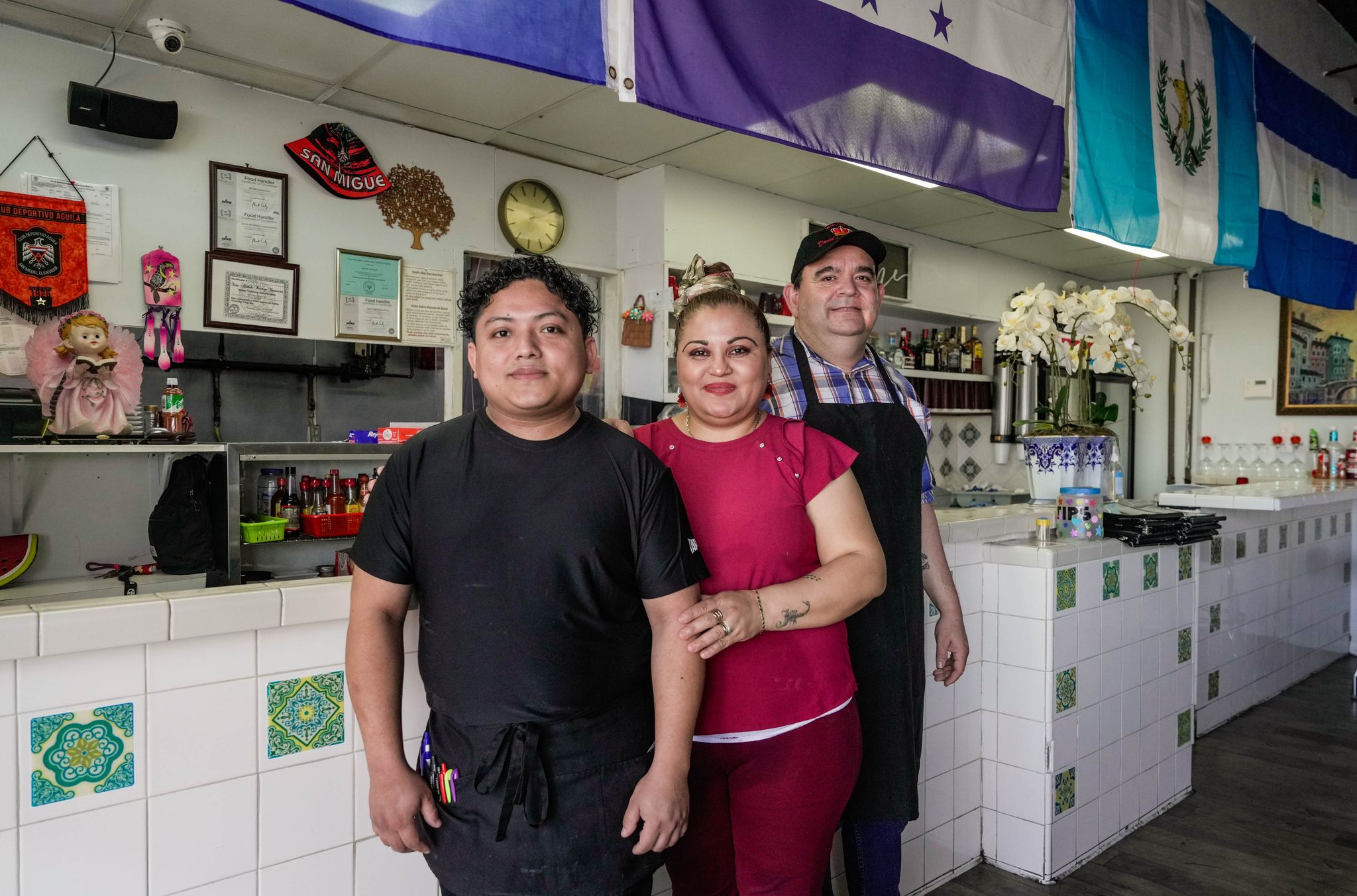
"At our restaurant, we tell stories of immigrants, of diaspora, endurance and perseverance. LA is a city built by the toils of immigrant communities, and right now, those same communities are being ripped apart."