#in-group-bias
#in-group-bias
[ follow ]
#evolutionary-psychology #prejudice-origins #xenophobia #behavioral-control #curiosity #political-polarization

fromPsychology Today
2 months agoWhy Political Conversations Go Wrong-and How to Fix Them
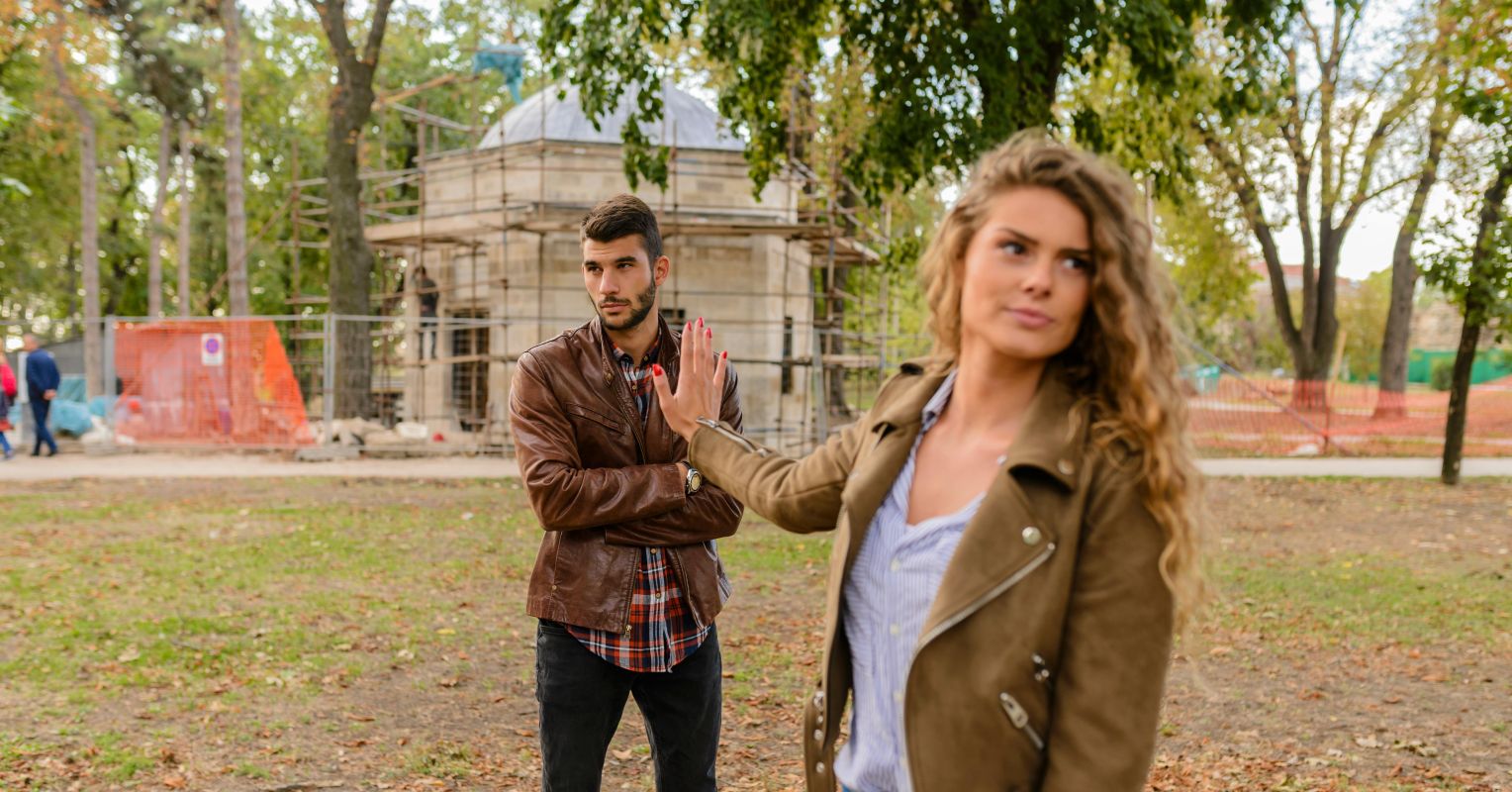
Why Political Conversations Feel So Hopeless Political life in the United States is increasingly marked by interparty animus, including tendencies toward dehumanization. Partisans can seem to prefer distance to dialogue and moral judgment to intellectual engagement. Such unproductive habits steadily erode both the willingness to engage politically and the capacity to consider ideas that conflict with one's own. It's easy to assume that political conversations are hopeless because nothing you say is likely to change anyone's mind.
US politics
fromPsychology Today
4 months agoWhy We Think Others Lie More Than We Do
When a rival lies or cheats, we demand justice. But when a friend does, we offer excuses. Equally, we believe our team plays by the rules while others bend them. Yet honesty depends on the messenger. When someone from our in-group bends the truth, we call it strategic, but when the out-group does it, we call it deceit. In a modern era of algorithmic bubbles, deep fakes, and partisan feeds, the cost of this bias grows.
Psychology
Right-wing politics
fromPsychology Today
9 months agoHave We Become a Nation of "Winners" and "Losers"?
In-group/out-group bias fuels division and prejudice in American politics.
Growing income inequality intensifies feelings of resentment toward perceived economic 'winners.'
Distrust of different individuals is being fueled by extreme views on social media.
[ Load more ]