#influenza
#influenza
[ follow ]


fromSFGATE
2 months agoNew flu strain rising as Bay Area virus levels hit season high
Flu season is showing no signs of slowing down in California, with every region experiencing either high or very high levels of flu. In the Bay Area, the number of people testing positive for the virus has hit a new seasonal high, with 18.99% of flu tests coming back positive through Jan. 31, according to the latest numbers from the California Department of Public Health.
Public health

fromBoston.com
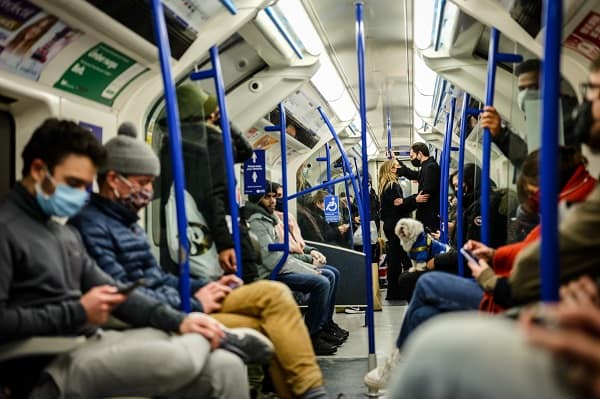
3 months agoMassachusetts residents describe a brutal flu season as experts urge vigilance
For many Massachusetts residents, this year's flu season hasn't felt routine - it's felt relentless. "Terrible. Like death. Chills, aches, fever, vomiting, diarrhea, snot production at 100% and then it settles into your chest," said Boston.com reader Jen L. of Newton. "0/10 do not recommend." On Cape Cod, A.M.B. said the illness landed her in the hospital. "I was diagnosed with Flu A on 12/30/25. I was hospitalized 6 days later. I was never so sick in my entire life. I am still recovering." Others said the flu hit hard and fast, even among those who were vaccinated. "The flu season seems worse than usual," said Karen B. "I am currently getting over the flu and felt the worst for about 36 hours. I am vaccinated but still got sick."
Public health
fromSFGATE
3 months ago'Everyone around you is sick': Winter viruses sweep through Bay Area
If you feel like everyone you know is dealing with a cough, cold and runny nose, it's not in your head. Multiple viruses, not just the flu, are currently circulating near season-high levels in the San Francisco Bay Area, according to wastewater data. Flu tests show seasonal influenza activity continues to be elevated in the region, although it's down from the season-high peak at the end of December, according to the California Department of Public Health.
Public health
fromwww.scientificamerican.com
3 months agoRSV is surgingantibody shots and vaccines can protect babies
RSV season in the U.S. typically peaks in January and February, with cases often stretching well into March. National emergency room visits and hospitalizations from the virus in kids ages four and younger have dipped slightly but are growing overall in more than a dozen states, according to the Centers for Disease Control and Prevention's latest report on January 16.
Public health



Public health
fromwww.scientificamerican.com
3 months agoWhy CDC's Vaccine Rollback Comes at the Worst Possible Time
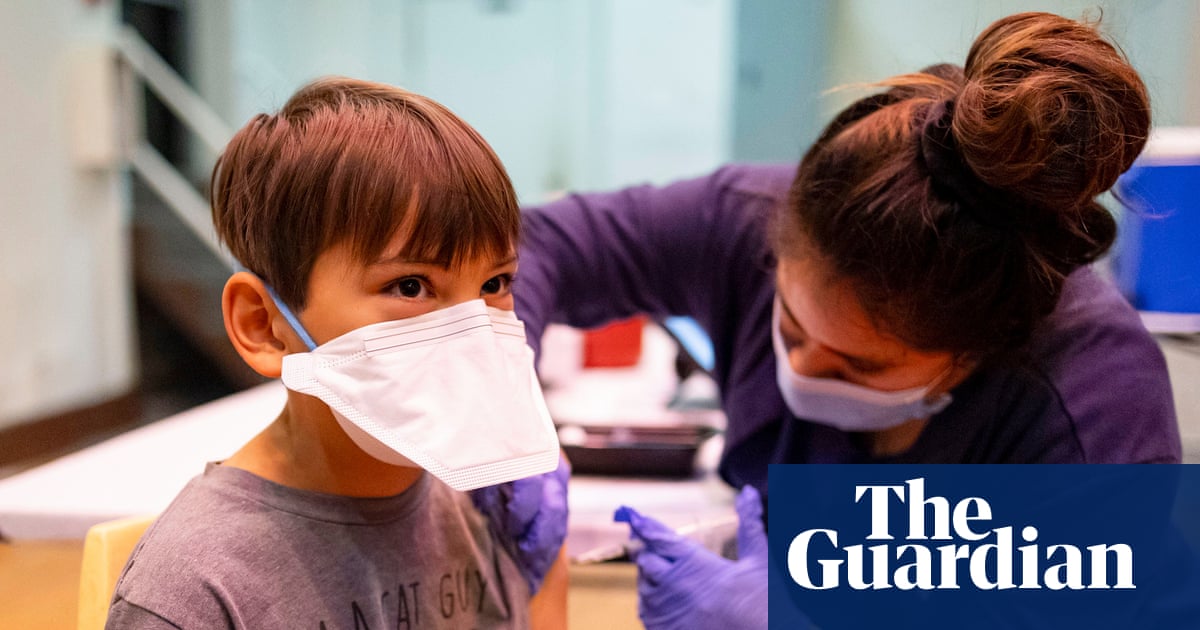
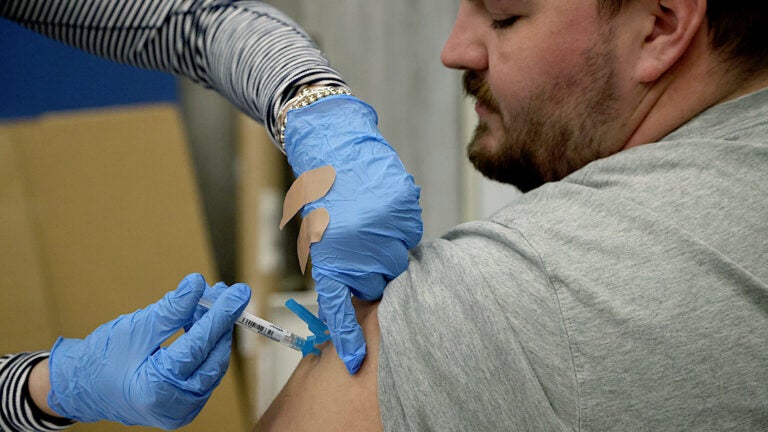
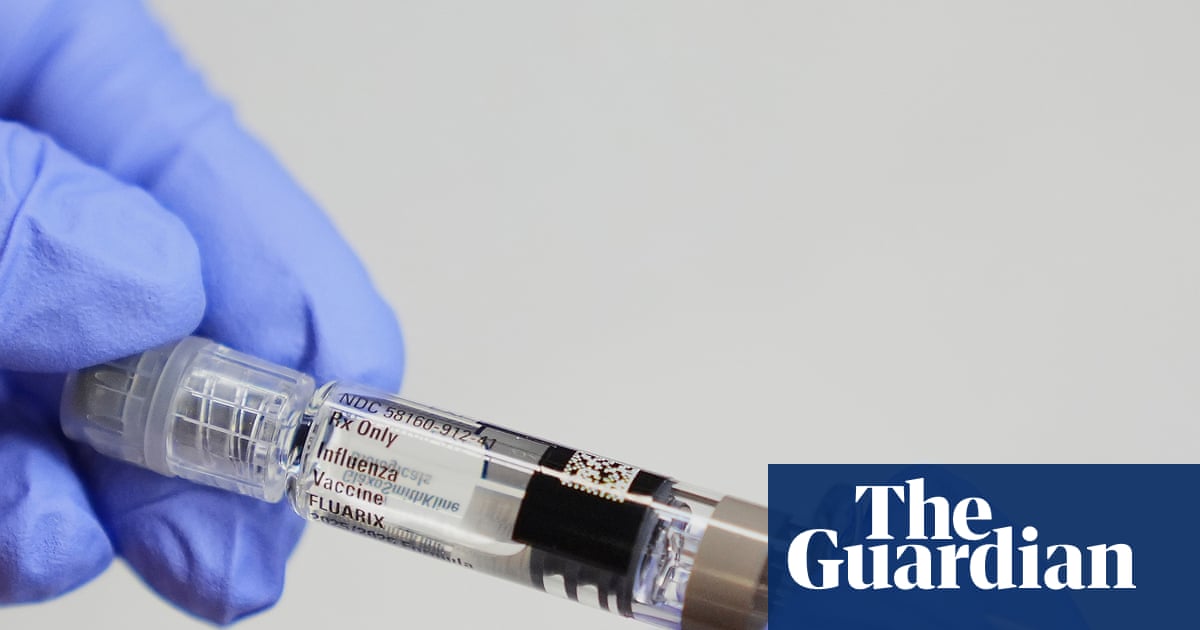
CDC narrowed universal childhood vaccine recommendations from 17 to 11 diseases, removing routine influenza and rotavirus recommendations and potentially lowering vaccination and increasing disease rates.




fromThe Atlantic
3 months agoThe Best Flu Drug Americans Aren't Taking
Antiviral drugs for influenza, the best known of which is Tamiflu, are-let's be honest-not exactly miracle cures. They marginally shorten the course of illness, especially if taken within the first 48 hours. But amid possibly the worst flu season in 25 years, driven by a variant imperfectly matched to the vaccine, these underused drugs can make a bout of flu a little less miserable. So consider an antiviral. And specifically, consider Xofluza, a lesser-known drug that is in fact better than Tamiflu.
Medicine
fromsfist.com
3 months agoThursday Morning What's Up: Trump Gives Extended Interview to the Times
Renee Nicole Macklin Good, the woman fatally shot by an ICE agent Wednesday in Minneapolis had just moved there from Kansas City. She described herself on social media as a "poet and writer and wife and mom," and she had just dropped off her six-year-old son at school when she encountered ICE agents on her street. [Associated Press] President Trump gave a wide-ranging, two-hour interview to New York Times reporters in the Oval Office on Wednesday night,
US politics

fromLos Angeles Times
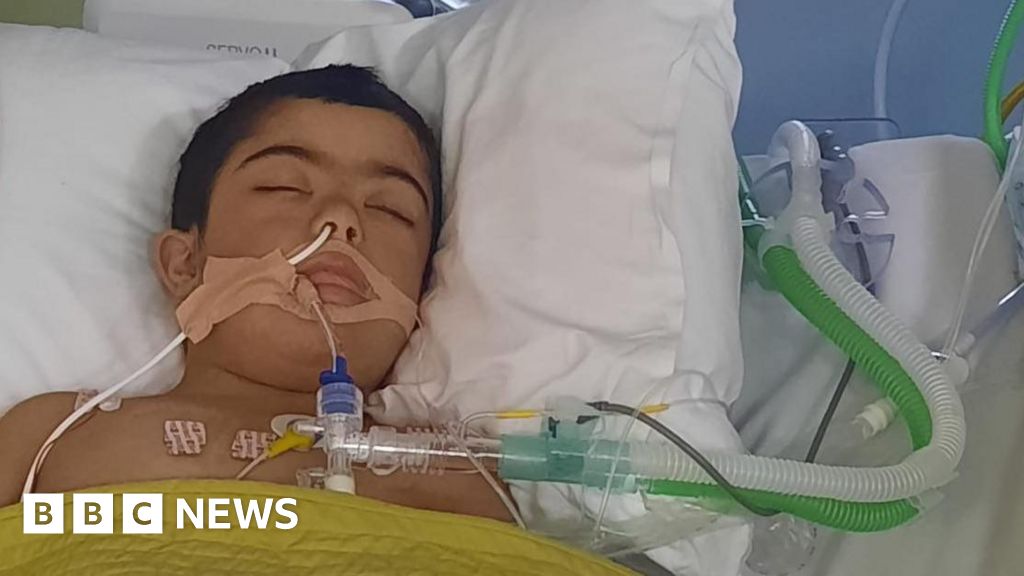
3 months agoSan Mateo reports child influenza death same week that CDC cuts immunization recommendations
The same week the CDC announced cuts to recommendations for vaccines, San Mateo County reported that an unvaccinated child has died from influenza. The child, whose age and name were not released by authorities, is the second flu death in San Mateo County this season, officials say. On Monday, Deputy Secretary of Health and Human Services Jim O'Neill signed a memorandum to no longer include flu vaccines, among vaccines for 10 other diseases, to be on a recommended vaccination schedule.
Public health




fromwww.bbc.com
4 months agoFlu cases falling ahead of Christmas, experts say
The amount of flu circulating has started to fall in England, latest data suggests. The UK Health Security Agency (UKHSA) said it was encouraging news heading into Christmas, but warned the virus could always bounce back in the new year. The UKHSA uses a range of different measures to monitor flu rates, including sample testing in hospitals and in GP practices. The latest data covers last week up to Sunday with the UKHSA concluding the virus was circulating "at medium levels".
Public health
fromNature
4 months agoFlu's link to cardiovascular disease shows why vaccination is essential
When most people think of influenza, they imagine a few days of fever, body aches and bed rest. Flu is often regarded as a threat to the very old, the very young or those with compromised immune systems. The rest of us are reassured we'll recover quickly. After all, 'it's just the flu'. Seasonal influenza doesn't appear in the top ten causes of death in the United States. During the 2023-24 flu season, there were an estimated 28,000 flu-related deaths.
Public health
fromNature
4 months agoA universal flu vaccine has proved challenging - could it finally be possible?
On the basis of surveillance data on which strains were circulating, the WHO selected four that would become the foundation of that year's vaccine. One was an H3N2 virus strain that was the most prevalent of that particular subtype, at that moment. But by the time the vaccine was making its way into people's arms that autumn, a different version of the virus had taken over - and the vaccine was only 6% effective at protecting against it.
Science
fromIndependent
4 months ago'This is unprecedented': Children's hospitals in crisis mode as ICUs fill up - weeks before flu hits peak
Level of virus now circulating is 'unprecedented', says CHI clinical director An unprecedented surge in flu cases has plunged Children's Health Ireland (CHI) into crisis mode, with record numbers of children requiring admission to hospital. The paediatric hospital group held two crisis meetings on Friday to create bed space for the influx of sick children, as doctors warn that the worst of the flu crisis is yet to come.
Public health
fromIndependent
4 months agoHospitals full as record number of children struck by flu
Level of virus now circulating is 'unprecedented', says CHI clinical director An unprecedented surge in flu cases has plunged Children's Health Ireland (CHI) into crisis mode, with record numbers of children requiring admission to hospital. The paediatric hospital group held two crisis meetings on Friday to create bed space for the influx of sick children, as doctors warn that the worst of the flu crisis is yet to come.
Public health




fromwww.bbc.com
4 months agoSome schools disrupted amid rise in flu cases
The most recent data from the UK Health Security Agency (UKHSA), which monitors the spread of winter viruses, found there were 107 acute respiratory incidents in educational settings in England between 24 and 30 November. An "acute respiratory incident" is defined for a school as two or more cases occurring among pupils within a five-day period. It could apply to a range of respiratory illnesses like influenza, RSV, covid or the common cold.
Education
Public health
fromwww.theguardian.com
4 months agoHealth experts criticise NHS chief's remarks that people with flu symptoms must wear face masks'
An NHS leader urged symptomatic people to wear masks in public, prompting concerns that stricter wording could conflict with official guidance and confuse the public.
Public health
fromwww.standard.co.uk
4 months agoLondon hospitalisations triple as 'superflu' sweeps Britain - with NHS issuing urgent vaccination plea
London faces an early flu surge with hospitalisations triple last year, low vaccination uptake, and dominant A(H3N2) strain increasing severe illness and bed pressures.
fromwww.bbc.com
5 months agoSchool shuts for deep clean after pupil sickness
"As we are currently unable to open, we have implemented a plan for the effective continuation of learning. "Work will be set in accordance with the usual timetable, where staff are well enough to do so. "A range of learning activities will be set... any additional teacher support in lessons will take place via Teams message or school email."
Education
fromwww.scientificamerican.com
5 months agoA New Flu Variant May Make Cold Season Brutal This Year
Influenza is picking up in the U.S., and public health experts are bracing for signs of another brutal season with the virus. Last year one of the worst waves of flu in recent decades took the U.S. by surprise. Japan and the U.K. are currently grappling with an unexpectedly early uptick in severe flu cases. A mutated strain known to cause severe disease may be behind some of the unusual activity.
Public health
fromwww.bbc.com
5 months agoUK facing long, tough flu season, NHS chiefs warn
"There's no doubt this winter will be one of the toughest our staff have ever faced. "Since stepping into this role, the thought of a long, drawn-out flu season has kept me awake at night. And, unfortunately, it looks like that fear is becoming reality. "Australia has just endured its worst flu season on record over 410,000 cases and all the signs suggest the NHS will face similar challenges in the months ahead. From December through to March, our hospitals will be at capacity."
Public health
[ Load more ]