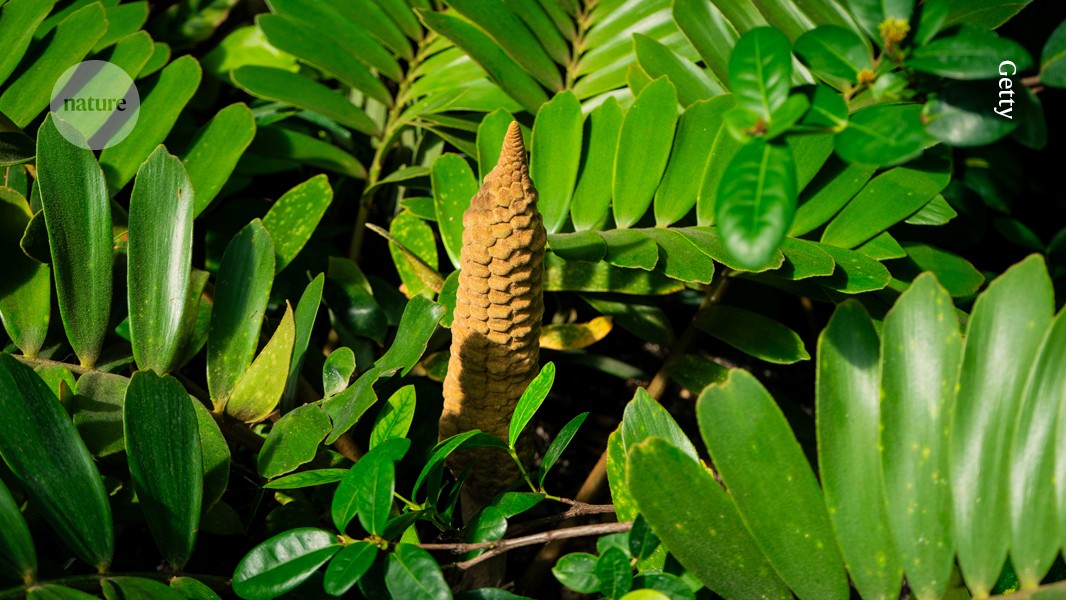
fromHarvard Gazette4 months agoScienceFirst, male gets heated up, then female, and then, you know - Harvard Gazette
fromwww.npr.org4 months agoScienceForget flowers: These ancient plants attract pollinators by getting hot
fromHarvard Gazette4 months agoScienceFirst, male gets heated up, then female, and then, you know - Harvard Gazette
fromwww.npr.org4 months agoScienceForget flowers: These ancient plants attract pollinators by getting hot