That era of fear, many Bangladeshis believed, had ended with Hasina's ouster in the popular student-led uprising, which forced her to flee to India on August 5, 2024. But while the interim government of Nobel Laureate Muhammad Yunus, who replaced Hasina, is not accused of orchestrating any such excesses, political violence in Bangladesh is surging again ahead of the upcoming vote.
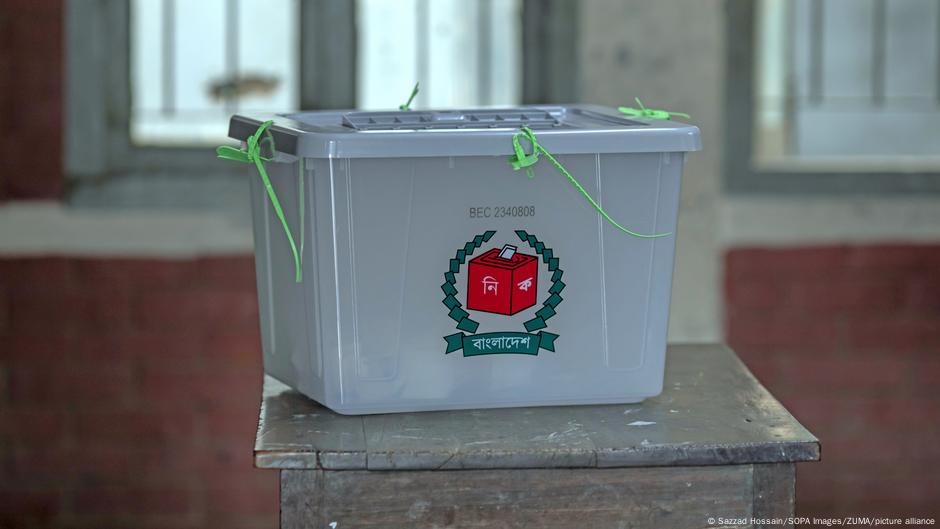
Rahman's symbolic gestures marking his return to Bangladesh come at a crucial juncture in the country's politics, and represent a major shot in the arm to the BNP cadre and leaders. An interim government, led by Nobel laureate Muhammad Yunus, has been in power since August 2024, following the ouster of then-Prime Minister Sheikh Hasina in a student-led uprising. The Yunus administration has announced elections on February 12, after which it is to peacefully transfer power to an elected government.
Despite being the "heart of Bangladesh's economy," the port has long been neglected, he said. Yunus serves as the "chief adviser" the head of the Bangladeshi administration appointed after veteran leader Sheikh Hasina was ousted in the August 2024 mass uprising. The interim government has pledged to focus on reforming the institutions, ensuring justice for past abuses, and organizing free and fair elections that would see it replaced with a democratically elected Cabinet. The polls are set to be held in February next year.
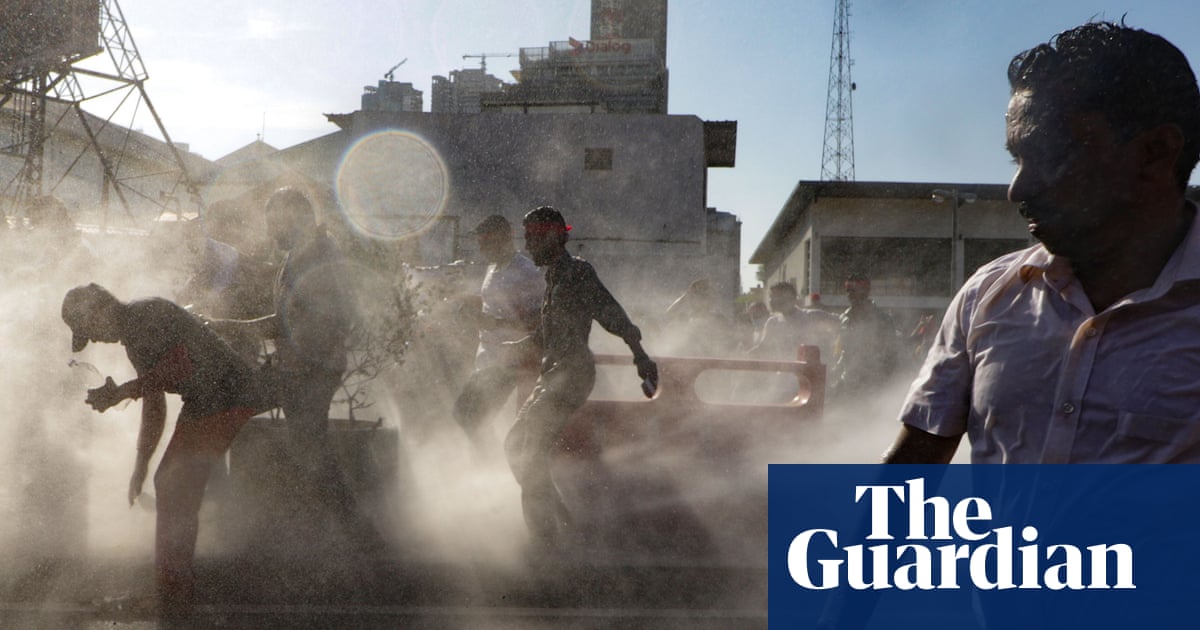
Protesters say the July National Charter, named after the national uprising that started last July, doesn't address their concerns. Police have fired tear gas and used grenades and batons to disperse protesters gathered outside Bangladesh's national Parliament complex to express dissatisfaction with the interim government's new political charter. The charter was drafted more than a year after Gen Z demonstrations that led to former Prime Minister Sheikh Hasina's removal.