#jorge-burgos
#jorge-burgos
[ follow ]
#venezuela


World news
fromenglish.elpais.com
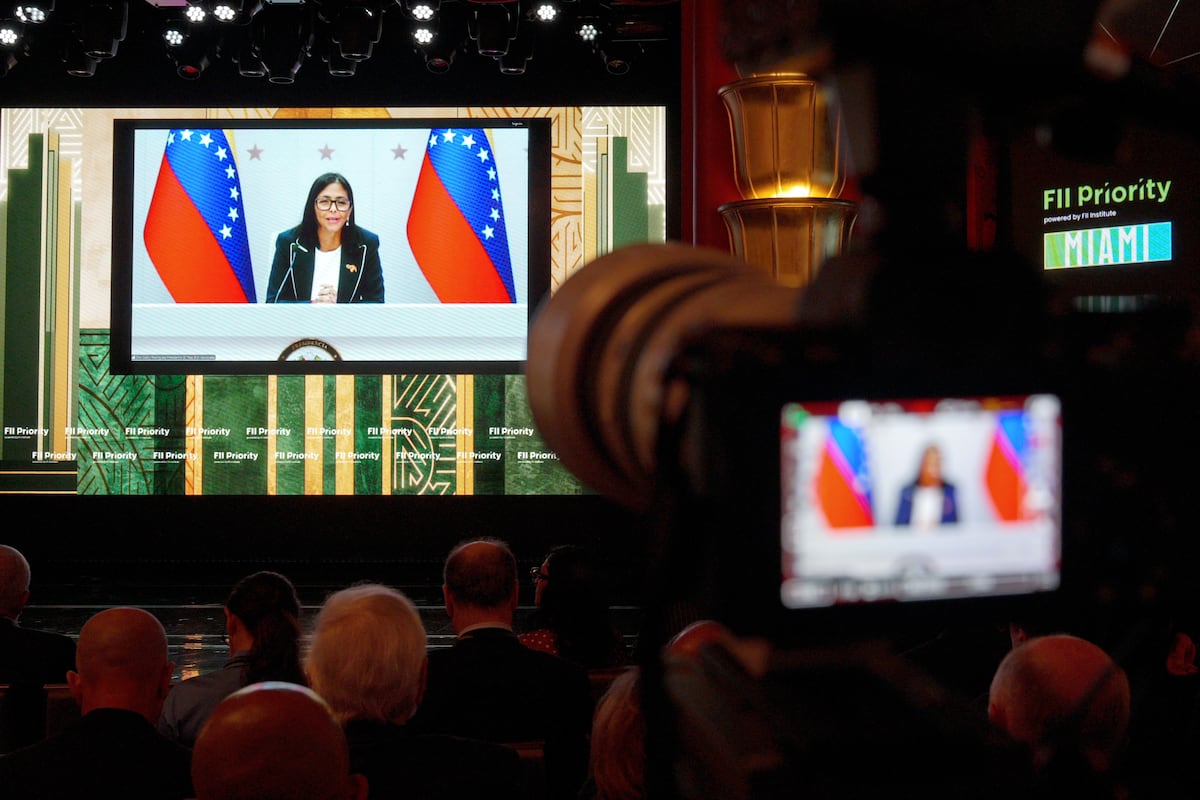
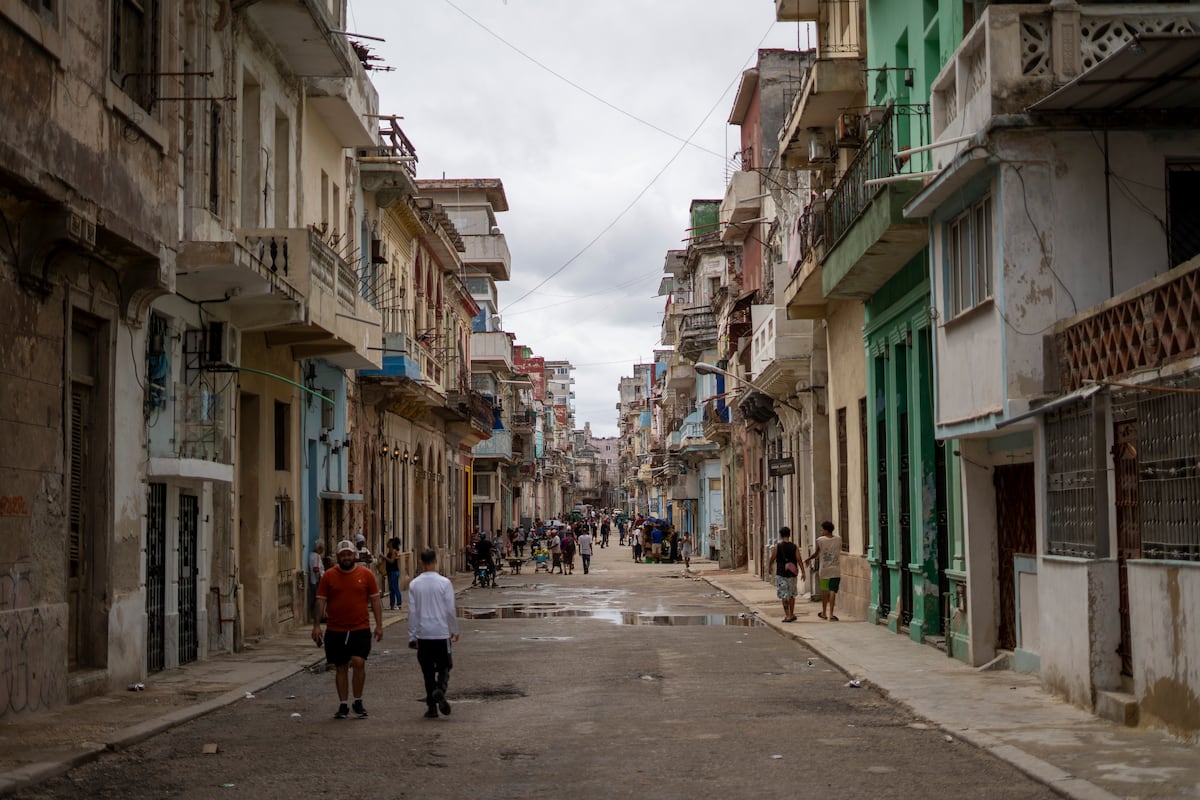
1 week agoSkepticism in Miami over Delcy Rodriguez's promises of legal security in Venezuela: We have to wait and see if they do what they say'
Venezuela's interim president promises legal security to attract foreign investment, but skepticism remains among investors about the country's economic opening.

fromwww.theguardian.com
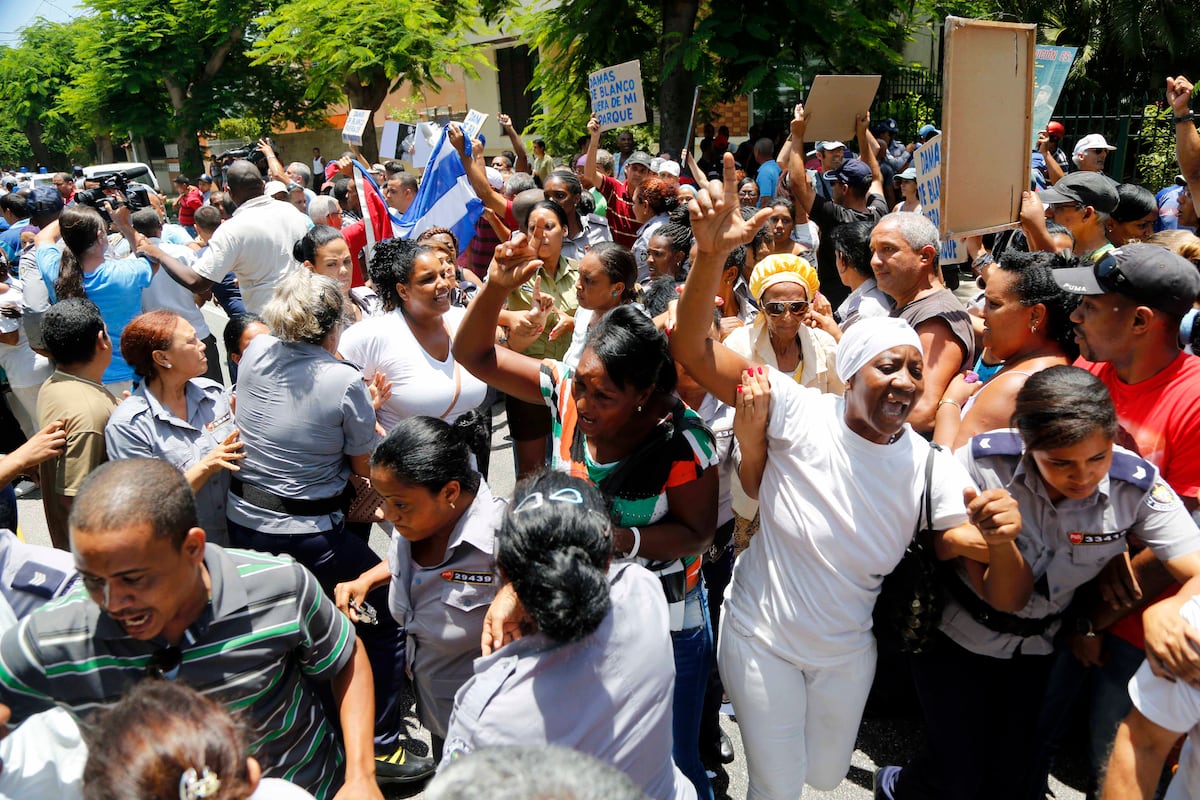
1 week agoVenezuelans deported by US detail fresh claims of torture and abuse at El Salvador mega-prison
The detainees detail a pattern of abuse, including beatings, humiliation, and sexual assault while they were incarcerated. One year later, these men are still waiting for justice.
Social justice
Environment
fromwww.aljazeera.com
2 weeks agoChile's President Kast tosses out dozens of environmental protections
Chile's new President Jose Antonio Kast suspended 43 environmental regulations covering emissions, pollution, and national parks to prioritize economic growth and job creation over environmental protections.
fromwww.theguardian.com
3 weeks agoKast is more like Trump': Chile's environmentalists prepare to do battle for the country's future
The highlands are the sustenance of life, and all that water comes down from the mountains to the valleys, such as Azapa and Lluta and to the coast. The city of Arica is on the coast. So, we have a very serious problem. We will not have water—not for agriculture, not for livestock, not for tourism.
Miscellaneous
Arts
fromThe Art Newspaper - International art news and events
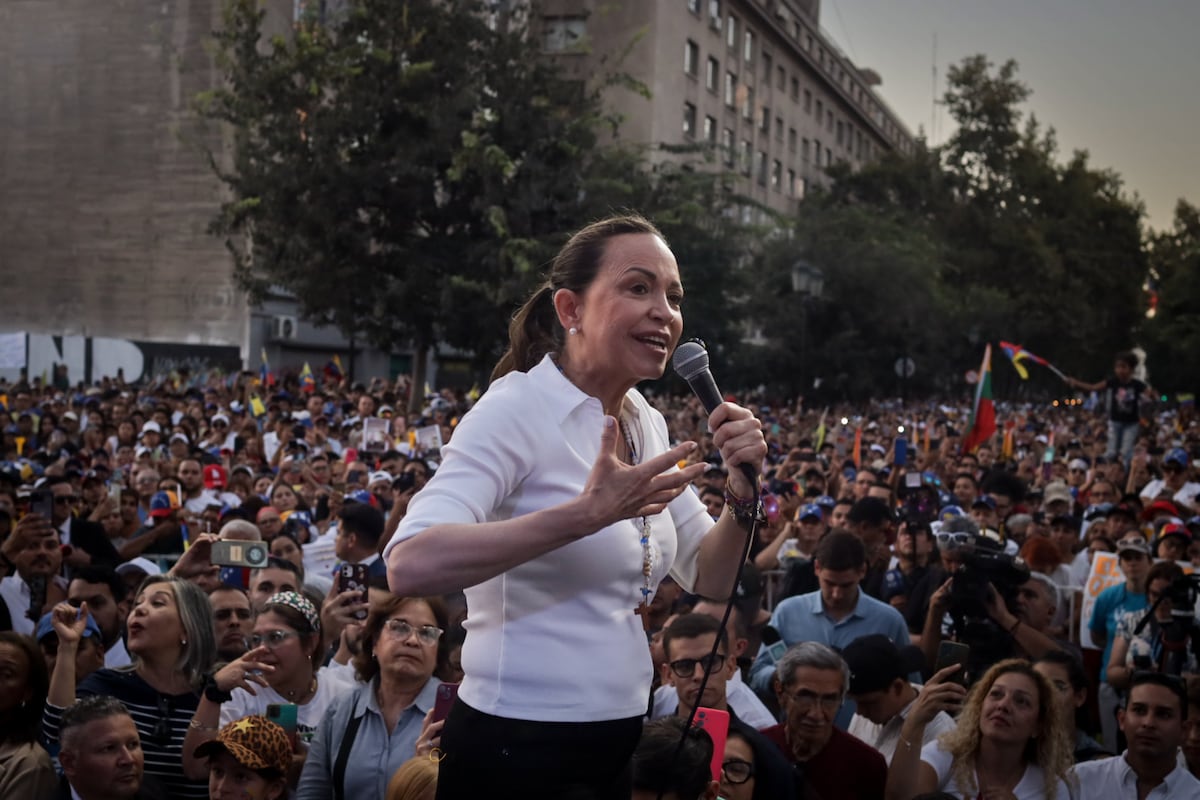
2 weeks agoNew Chilean president reverses predecessor's policies, cutting culture budget
Chile's new president José Antonio Kast implemented immediate 3% budget cuts across all ministries, with culture funding facing uncertainty despite previous administration's significant increases.
World politics
fromenglish.elpais.com
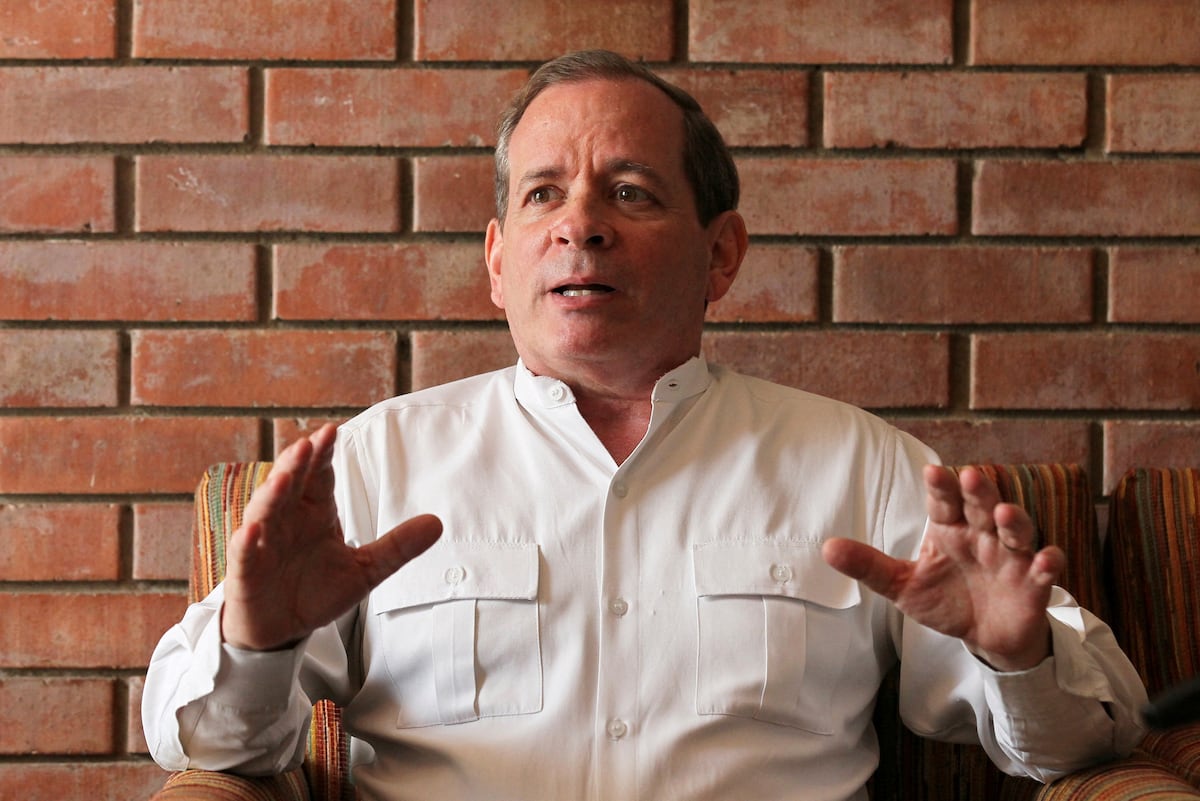
3 weeks agoJuan Gabriel Tokatlian: If Peru, Colombia, and Brazil shift to the right, the US will have the bulk of Latin America under its influence'
The Trump administration is reviving Cold War-era domination strategies toward Latin America, asserting U.S. power and demanding regional compliance through coordinated diplomatic pressure.
#chilean-politics



US Elections
fromwww.theguardian.com
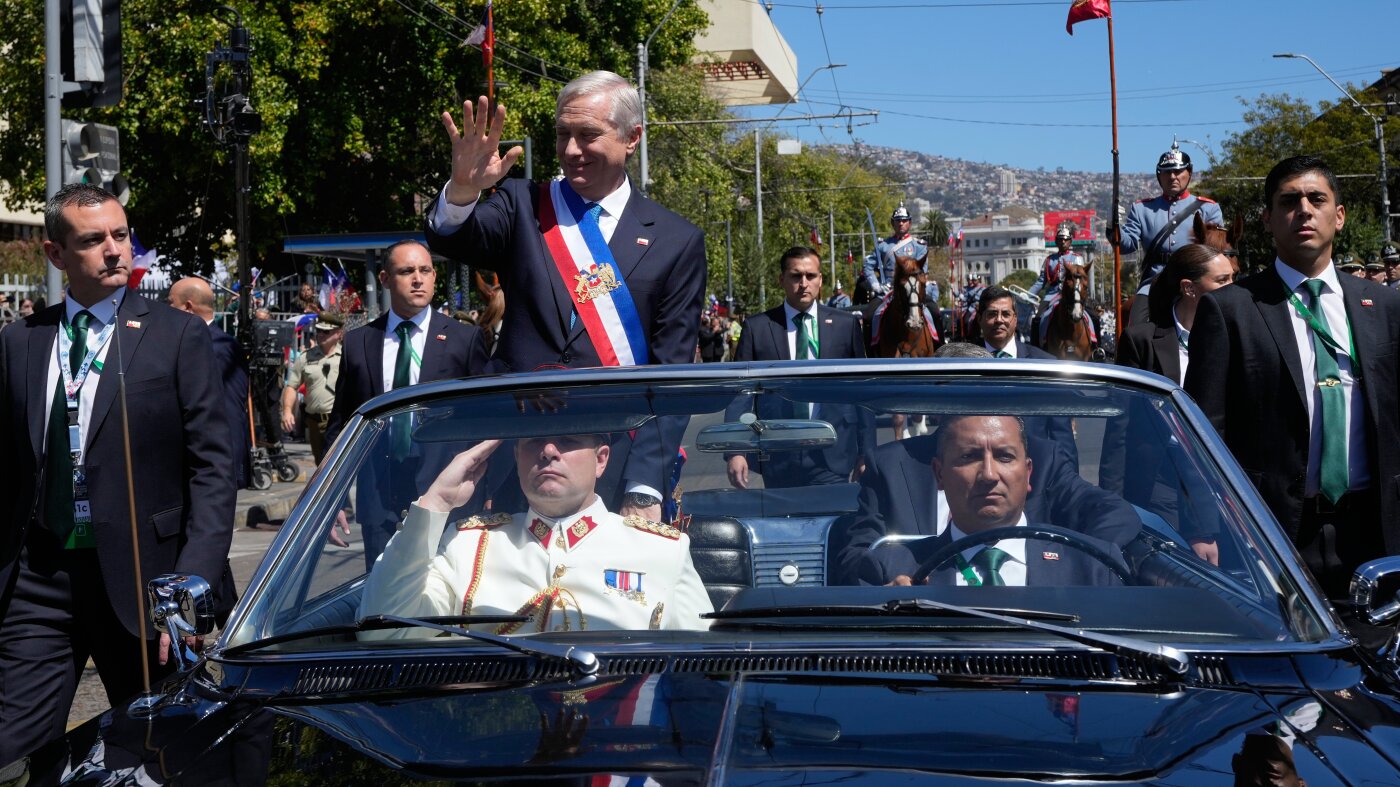
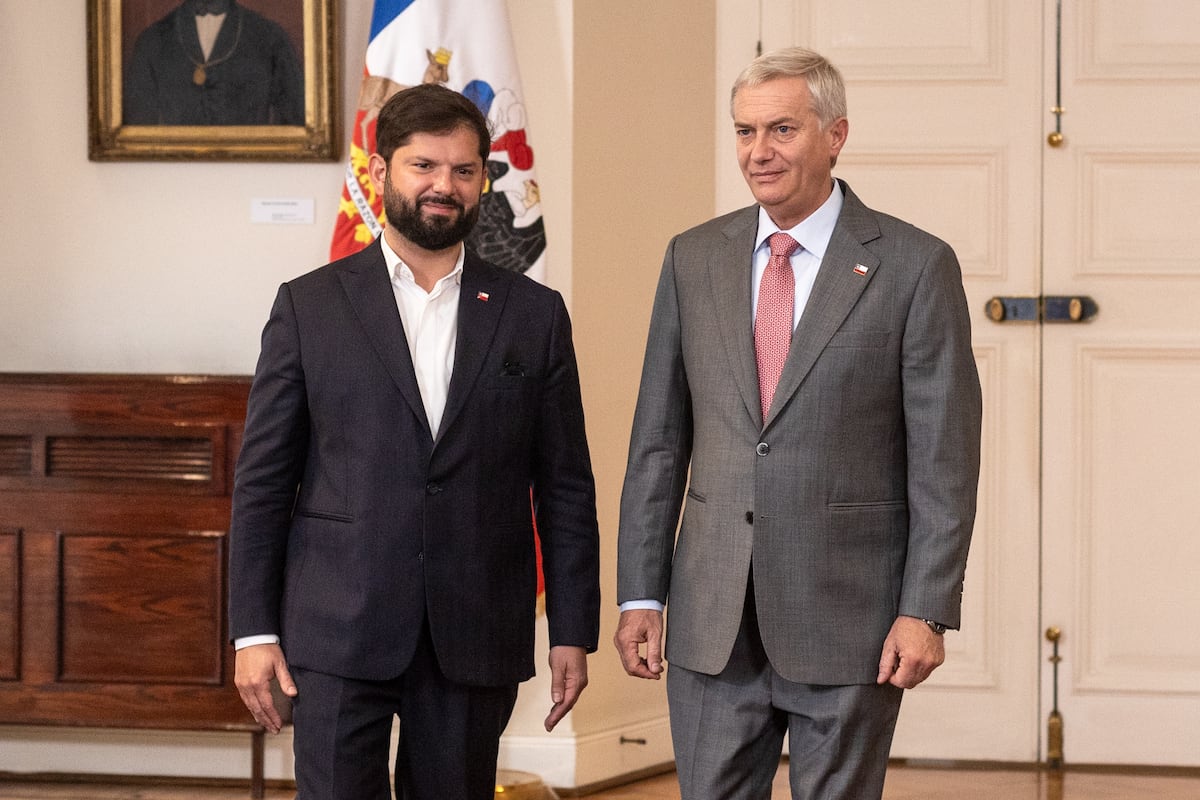
3 weeks agoJose Antonio Kast, the Pinochet fan about to swerve Chile to the far right
Jose Antonio Kast won Chile's presidency with 58% of the vote by promising tough crime solutions, despite Chile's murder rate being relatively low compared to other Latin American countries.
Women in technology
fromenglish.elpais.com
4 weeks ago3. Colombia: Mothers for Peace
Carmen Elena, a Colombian woman displaced by violence that killed her husband and brother, lost her project to create a safe village for mothers protecting children from armed group recruitment after USAID withdrew funding.
fromwww.theguardian.com
3 weeks agoFears for women's rights in Chile as anti-abortion president set to take office
Jose Antonio Kast, a 60-year-old ultra Catholic whose father was a member of the Nazi party, has consistently blocked progressive bids for women's rights and equality across his three-decade career in politics. As a congressman, Kast voted against divorce when Chile became one of the last countries of the world to legalise it in 2004 and vehemently opposed the legalisation of abortion under limited exceptions when it was passed in 2017.
Social justice
US Elections
fromwww.aljazeera.com
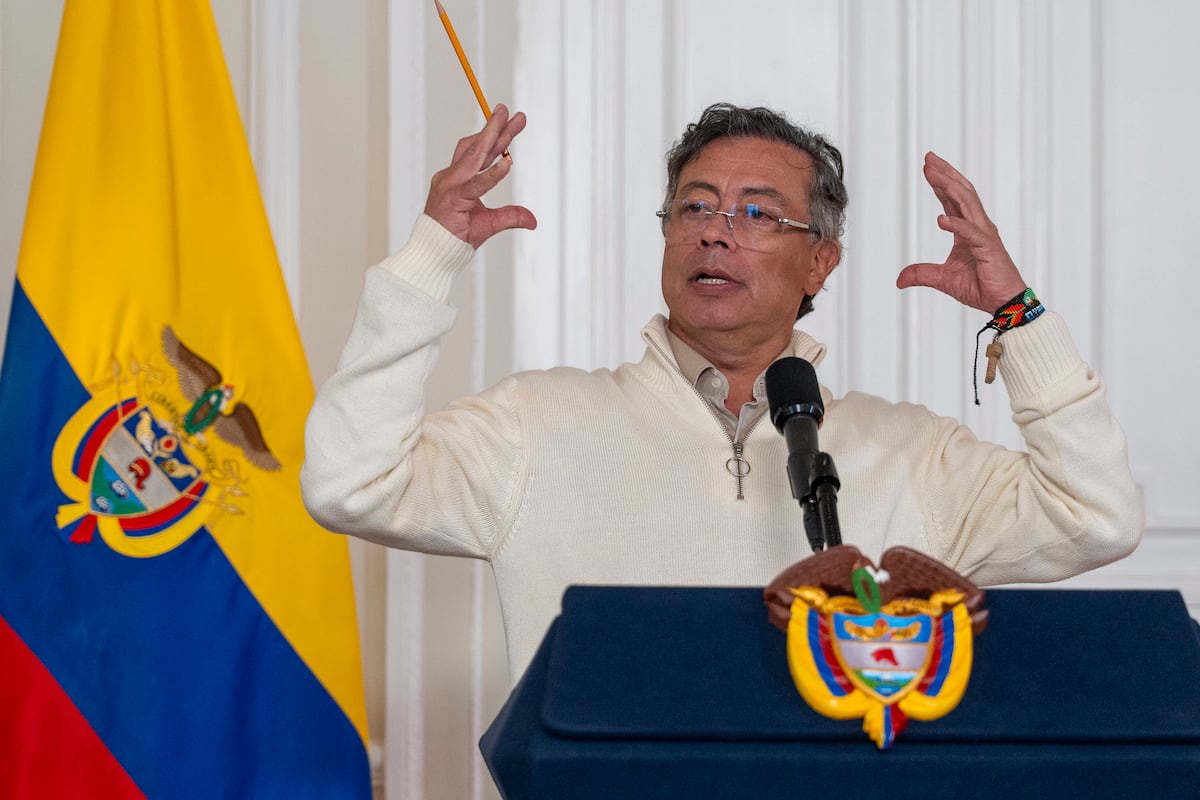
4 weeks agoColombia elects Congress, chooses presidential candidates amid US tensions
Colombians voted on Sunday to elect 102 senators and 182 representatives while selecting presidential candidates across three political blocs amid security concerns and U.S. pressure.
Madrid food
fromenglish.elpais.com
1 month agoBerta Caceres and the resistance that was born under an oak tree
Berta Caceres, a Lenca leader murdered in Honduras in 2016 for defending the Gualcarque River against business and military interests, remains a symbol of both judicial progress and persistent impunity in human rights defense.
fromenglish.elpais.com
1 month agoA 15-year-old teenager, missing since 1986, officially recognized as a victim of the Pinochet dictatorship
Luis had been missing for four decades, ever since he disappeared at age 15 during the dictatorship of Augusto Pinochet (1973–1990). The notice came from a court in Arica, in the far north of Chile, summoning him for failing to vote in the May elections for constitutional councilors, according to records from the Electoral Service (Servel). Under Chile's compulsory voting law, anyone who does not vote must provide a justification; otherwise, they face sanctions.
World politics



World politics
fromwww.theguardian.com
1 month agoAcquittal of Chile riot officer who blinded protester raises impunity fears
A Santiago court ruled Lt Col Claudio Crespo legitimately defended his actions after shooting and blinding protester Gustavo Gatica, raising concerns about impunity and heavy-handed policing.

World news
fromenglish.elpais.com
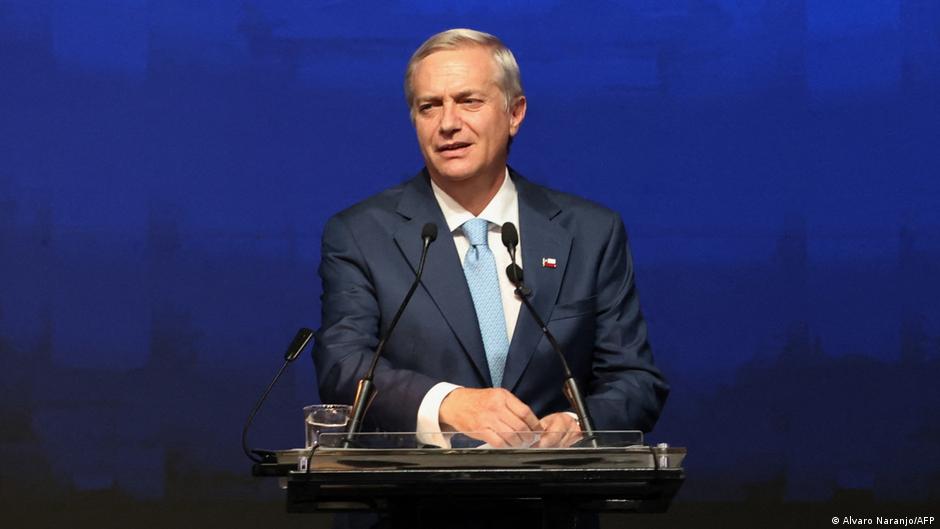
2 months agoChile's president-elect Kast unveils Cabinet: Few party members, business allies and drug tests
Jose Antonio Kast announced a 24-member Cabinet, led by Claudio Alvarado, prioritizing crime-fighting and economic revival with many nonparty and business-affiliated ministers.
World news
fromenglish.elpais.com
2 months agoBernardo Arevalo: Guatemala's democracy is at stake in the coming month'
Guatemala's democracy faces a decisive struggle as reformist President Arevalo confronts entrenched corrupt powers resisting judicial and institutional reforms during critical upcoming appointments.
World politics
fromPrivacy International
2 months agoArgentina's election authorities must guarantee the right to a universally accessible secret vote
Argentina's October 2025 legislative elections failed to guarantee secret, private, and non-discriminatory voting for blind, partially sighted, illiterate, and other vulnerable voters.
fromwww.aljazeera.com
2 months agoSon-in-law of opposition figure Edmundo Gonzalez released in Venezuela
Members of the opposition coalition expressed joy at the news of Tudares Bracho's release. After 380 days of unjust and arbitrary detention having endured more than a year of the inhumane reality of enforced disappearance my husband Rafael Tudares Bracho returned home this morning, Edmundo Gonzalez's daughter, Mariana Gonzalez, wrote on the social media platform X. It has been a stoic and profoundly difficult struggle.
World news
World news
fromwww.theguardian.com
2 months agoJustice is optional': why Trump's pardon of Honduran ex-president scares nature defenders
Trump's pardon of Juan Orlando Hernández undermines accountability and risks reinforcing impunity, corruption, and violence linked to extractive policies harming environmental defenders in Honduras.
fromwww.theguardian.com
2 months agoCosta Rica heads to polls amid fears of authoritarian turn
Costa Rica heads to the polls on Sunday in an election dominated by increasing insecurity and warnings of an authoritarian turn in a country long seen as a model of liberal democracy in the region. Crime is a big concern for many voters as criminal groups battle to control lucrative cocaine trafficking routes to Europe and the US, casting a shadow on the Central American country famous for its wildlife tourism.
World news
fromwww.theguardian.com
2 months agoOut with the Yanks!': Thousands protest in Colombia as anger builds over Trump's intervention in Venezuela
Thousands of protesters have taken to the streets of cities across Colombia to decry Donald Trump's threats to expand his military campaign in South America into their territory, after last weekend's deadly attack on Venezuela. In Cucuta, a city on Colombia's eastern border with Venezuela, several hundred demonstrators marched towards its 19th century cathedral waving the country's yellow, blue and red flag and shouting: Fuera los yanquis! (Out with the Yanks!)
World news
World news
fromwww.theguardian.com
2 months agoColombian ex-paramilitary leader jailed for crimes against Indigenous groups
Salvatore Mancuso received a 40-year prison sentence for 117 crimes against Indigenous communities in La Guajira, potentially reducible to eight years with victim-centered collaboration.
fromwww.aljazeera.com
1 month ago'A big crisis'
On November 28, with just weeks remaining until the run-off in Chile's presidential election, far-right candidate Jose Antonio Kast issued a warning. "To the irregular immigrants in Chile," he said, "I tell you that 103 days remain for you to leave our country voluntarily." Kast ultimately won the election and is expected to be sworn in on March 11. But so far, in the highlands of Chile's most northerly region, the immigrant exodus that some expected has not occurred.
World news
[ Load more ]