Books
fromThe New Yorker
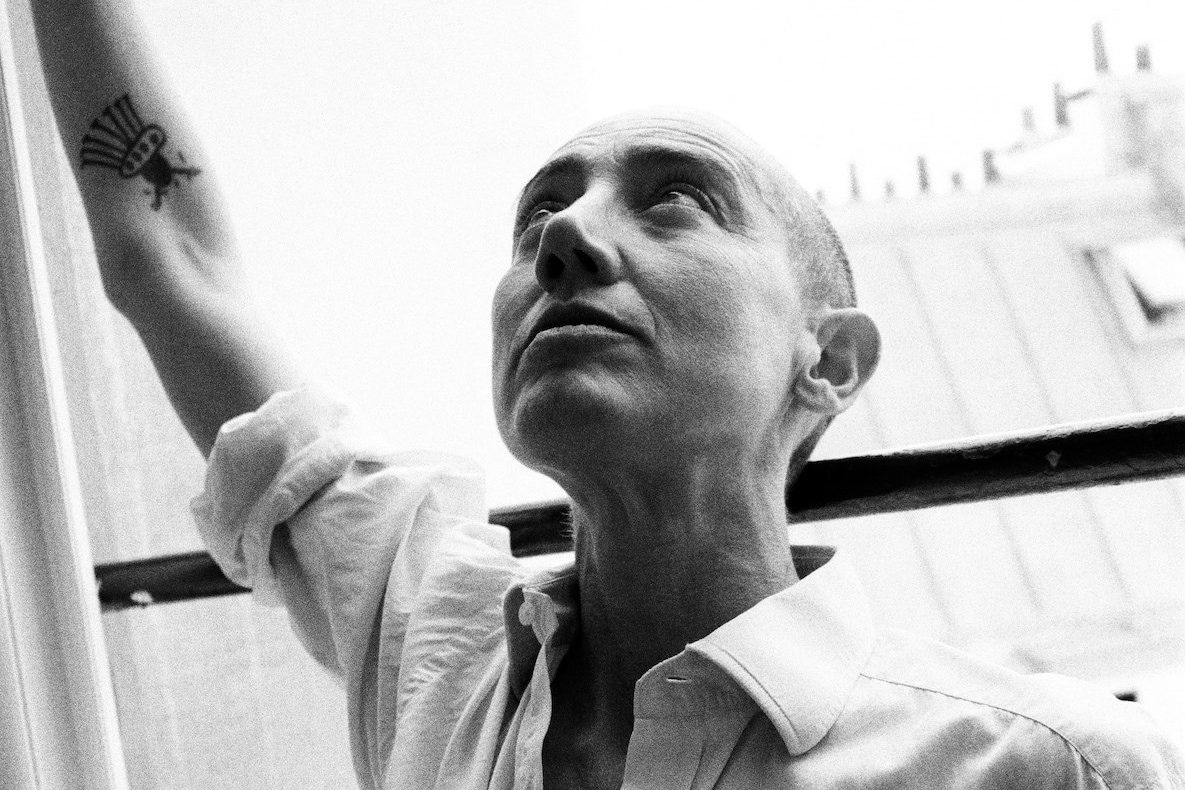
19 hours agoHan Ong Reads "My Balenciaga"
Han Ong reads his story 'My Balenciaga' from The New Yorker's March 23, 2026 issue, showcasing work from an acclaimed MacArthur Fellow and Berlin Prize recipient.
A veteran war correspondent, Gopal earned finalist nods for the Pulitzer Prize and National Book Award for what the Pulitzer jury described as his "vivid, haunting and courageous" first book, No Good Men Among the Living, which conveyed the fallout of the war in Afghanistan through the personal stories of just a few Afghans.
It's just not true. That would be random chance. But of course, brackets are not random chance. The seeding is asymmetrical. The real odds can be really different year-to-year and they can be debatable. They're still minute, but significantly more likely than Phil makes them seem.
Jean is, in the words of its author, a novel about "alienation, told from the inside out". Set at a reform school over the sweltering summer of 1976, the heat rises as Jean fights (and fucks) the other boys, conflict and desire coalescing until the novel reaches its conclusion: his decision to walk out of his life for good. Dunnigan explores the ethics of early sexual experiences, British class dynamics and the crushing weight of - particularly masculine - conformity.
An actress meets up with a man who is convinced she's his mother. It turns out she's not. I think? Maybe she is? Or, maybe she's not but actually kind of is? What is a mother? The most impressive thing about this Booker Prize finalist is how Katie Kitamura plays with the narrative and toys with the reader without being overly clever about it all. She's stingy with details and answers, but generous with intrigue and depth.
Punxsutawney Phil has emerged from his cozy underground burrow and spoken: There are still six more weeks of winter ahead to endure. February may bear the unfortunate distinction of being the shortest month of the year, but it has no shortage of new releases hot off the presses. With winter still roaring in full force, this is the perfect time to catch up on the reading you swore you'd do as a New Year's resolution.
I guess I could explain the plot to you: An actress meets up with a man who is convinced she's his mother. It turns out she's not. I think? Maybe she is? Or, maybe she's not but actually kind of is? What is a mother? The most impressive thing about this Booker Prize finalist is how Katie Kitamura plays with the narrative and toys with the reader without being overly clever about it all. She's stingy with details and answers, but generous with intrigue and depth.
One of America's greatest living fiction writers returns with his first novel since 2018's Lincoln in the Bardo, which won the Booker Prize. In Vigil, the dying CEO of an oil company gets the Scrooge treatment when the ghost of a woman returns from the afterlife to help him cross over. If that sounds similar to Lincoln in the Bardo, don't be fooledthis one hits different. Despite its shorter length, Vigil is an equally powerful exploration of memory, compassion, and atonement.
It wouldn't be mid-to-late December without a series of "best of" articles coming out from every outlet that covers culture-and who am I to buck that trend? I get to read dozens of books every year for Jezebel, and I'm here to put all that reading to use by doing one of my favorite things: recommending books. But there are too many books-and I am but one, part-time reader-for me to do a broader "best of" list,
A couple of years ago, my daughter-a recently graduated English major with an impeccable track record for book recommendations-suggested that I read Dear Edward. It took me a while to make it happen, but while we traveled together last holiday season, she glanced over mid-flight and was startled to see me reading her recommended novel about a plane crash while we were navigating multiple legs of our own air travel. I understood her concern.
I finally got round to Thoreau's Journal. It is determinedly down-to-earth and soaring, lyrical and belligerent, humane and cantankerous. Walt Whitman thought Thoreau suffered from a very aggravated case of superciliousness, but as Walt also said (of himself) the Journal of this brooding, solitary figure is great; it contains multitudes. I've also been reading Xiaolou Guo's My Battle of Hastings. Having moved to Britain and switched to writing in English, the Chinese writer and film-maker
In recent years, some of the most talked-about literary novels have not given their readers much to talk about, at least when it comes to plot. In the late 2010s, authors such as Rachel Cusk, Ben Lerner, and Sheila Heti wrote books that are heavy on interiority and light on events; they have few of the markers of a traditional rise-and-fall story structure, and instead prioritize voice and close description.
During the pandemic, I provided counseling for several health care providers. These dedicated medical professionals faced overwhelming stress due to: Patients dying at an increasingly higher rate. Longer hours of work, changing work conditions, and schedule changes. Significant risk of getting sick, and/or dying themselves. Risk of spreading the disease to family members at risk. My clients desperately needed stress-reduction tools to help them through a challenging time.
John Irving's return to the world of The Cider House Rules headlines a publishing calendar so overstuffed with treasures, plenty of them don't even appear below. Those painful omissions include a pair of memoirs from celebrated storytellers and an investigation into big tech. Hopefully, though, this list of six sterling options will still have some use for any overwhelmed readers looking for a more manageable foothold.
Once in a while, mistakes happen. I mention this mistake because it testifies to something powerful about Patrick Ryan's new novel, Buckeye. When I made a late request for an advance review copy of Buckeye, the copy I received looked fine, but when I opened it I realized it was mistakenly bound backwards. The title page was at the very end of this over-450-page novel.
The Third Realm is quite different from the first two books in Knausgard's Morning Star series, even though the characters come from the earlier novels. With breathtaking confidence, Knausgard mirrors the first book, The Morning Star, giving us other, richer perspectives on the material. The book opens and closes with Tove, the manic-depressive wife of the jaded academic Arne. And her mix of despair and insight, humour and visionary brilliance turns out to be what these novels need most.
Tom is clearly in the Hardyesque tradition of unworldly young men who tend the land or work with their hands (Gabriel Oak, Jude Fawley), and it's this that alerts us to his vulnerability to charmers and chancers. Apprenticed by his pop at 14 (every other Flett had been a shrimper, going back to his great-grandpa), Tom nevertheless longs for a life less circumscribed.